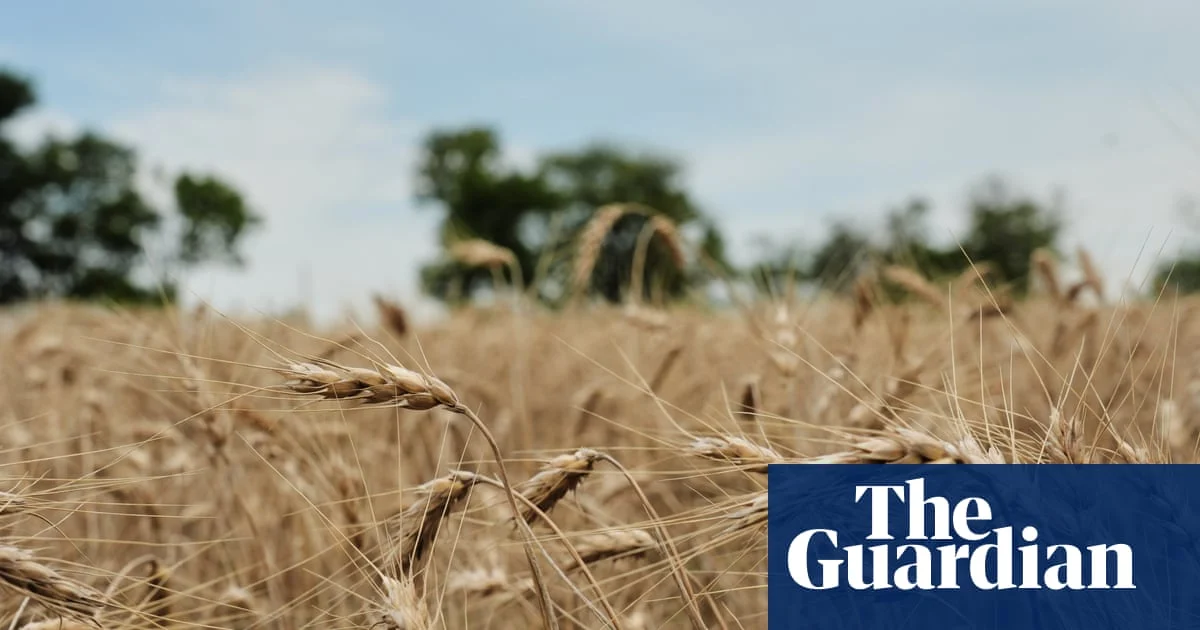
US wheat farmers are navigating growing uncertainty as drought conditions, rising input costs, and export disruptions clash with three-year highs in wheat futures prices. While future prices for bread-type wheat have jumped 39%%, higher diesel fuel costs and erratic weather are eroding potential profit margins for producers across the southern Great Plains.
The combination of supply-side pressures and geopolitical instability affecting global wheat exports has left farmers like Merrill Nielsen, who operates a 2,500-acre farm in Kansas, uncertain whether elevated prices will translate into stronger returns. Nielsen lost his entire wheat crop during the spring planting season, underscoring how volatile weather patterns are increasingly shaping production outcomes.
Key Facts
- Wheat prices are at their highest level in three years.
- Broad-type wheat futures are up 39%%.
- Diesel fuel prices have hit record highs.
- Erratic weather caused crop failure for some US wheat farmers.
- Drought has overtaken the southern Great Plains region.
The Story
What happens next?
Some experts worry that ongoing factors affecting wheat exports could push global food prices even higher than their current levels. With major exporting nations facing logistical challenges and political tensions, the flow of wheat from fields to international markets remains fragile. US wheat farmers find themselves caught between domestic production hurdles and broader trade dynamics that influence pricing decisions globally.
Geopolitical chaos continues to disrupt traditional supply chains, creating ripple effects throughout agricultural markets. As nations adjust their import strategies amid uncertainty, demand fluctuations can amplify price swings for essential commodities such as wheat. Analysts note that sustained instability may lead to further consolidation among trading partners, potentially reshaping long-term export frameworks.
Who is affected?
Beyond individual producers, the volatility in wheat markets impacts a wide range of stakeholders including food manufacturers, livestock operators, and ultimately consumers worldwide. Elevated commodity costs often cascade through processing stages before reaching retail shelves, affecting everything from bread prices to pasta production expenses. For rural communities dependent on farming income, reduced profitability threatens local economic stability beyond just individual farms.
Consumers globally bear indirect consequences when staple crop values rise unexpectedly due to supply disruptions or speculative trading activity. Government assistance programs may offer temporary relief but rarely cover all operational losses incurred during extreme weather events combined with steep energy cost increases.
What We Know — and What We Don’t
Verified by the source:
- Wheat prices reached their highest level in three years.
- Future prices for bread-type wheat increased by 39%%.
- Diesel fuel prices hit record highs affecting farm operations.
- Erratic spring weather led to complete crop loss for some farmers.
- Drought conditions expanded across parts of the southern Great Plains.
Still unconfirmed:
- Exact timeline and geographic extent of reported drought expansion.
- Total number of US wheat farms impacted by failed spring plantings.
- Precise identity and full scope of expert warnings referenced.
- Long-term projections for global food inflation tied to export risks.
- Specific policy responses or relief measures being considered by officials.
Why It Matters
Fluctuations in US wheat output influence worldwide food availability and affordability. Given wheat’s role as a dietary staple for billions, unexpected shifts in American production can reverberate through global supply networks, intensifying concerns about hunger and economic strain in import-dependent regions.
What To Watch
Market observers will monitor upcoming US Department of Agriculture reports and weather forecasts closely, as both factors remain central to future price trajectories. Continued geopolitical developments impacting key export corridors may further determine whether current challenges ease or worsen in coming months.
For ongoing coverage of agricultural trends and commodity markets, explore our economy and markets section or follow updates in war and geopolitics where trade-related stories are tracked regularly.