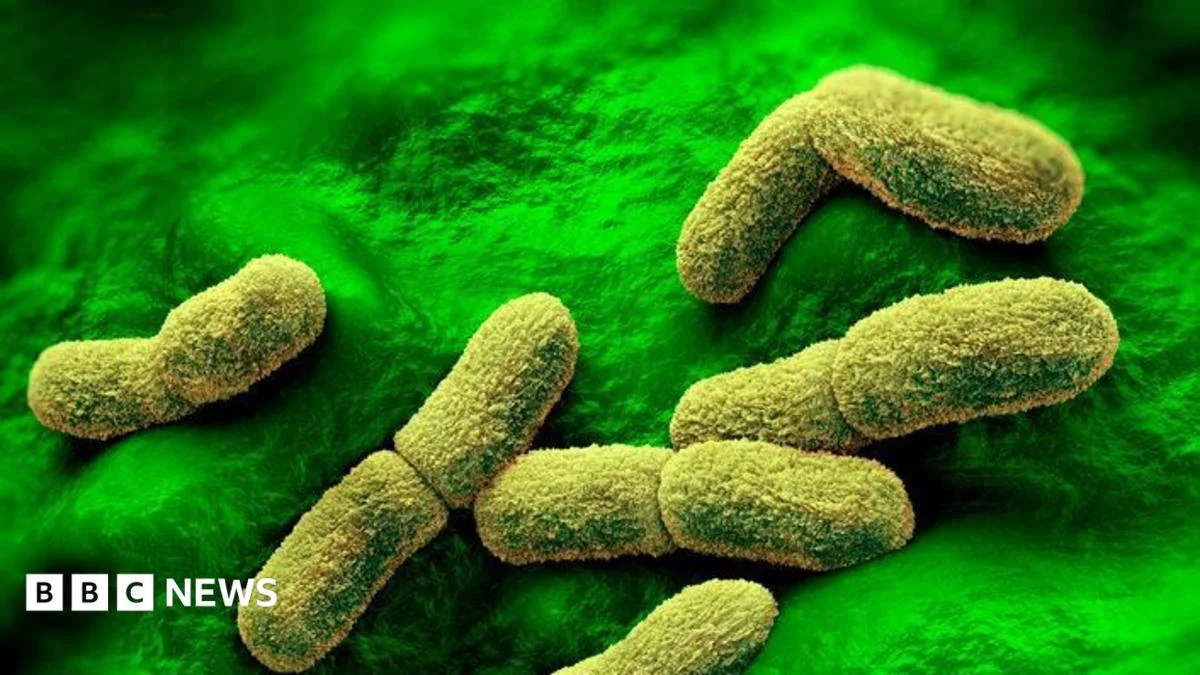
US officials are watching closely after a plague researcher died at a research center in Siberia, a development that has prompted renewed scrutiny over biosafety protocols at high-containment laboratories. The death occurred at a facility involved in studying dangerous pathogens, though specific details remain limited.
Donald Trump, the former US president, said the US was looking ‘very strongly’ at the case, suggesting the incident has drawn diplomatic and scientific interest. The circumstances surrounding the researcher’s death have not been fully disclosed, leaving many questions unanswered about safety standards and oversight at the Siberian lab.
KEY FACTS
- A plague researcher died at a research center in Siberia.
- Donald Trump said the US was looking ‘very strongly’ at the case.
- The US is described as ‘watching closely’ following the death.
- The incident involves a lab technician at a Siberian research facility.
- BBC News reported that the researcher worked at a plague research center.
THE STORY
What happens next?
The death of a plague researcher at a Siberian laboratory has placed renewed focus on biosafety measures at facilities handling dangerous pathogens. While no full details have emerged, the response from US officials indicates concern over transparency and safety protocols in Russian research institutions.
President Trump’s public remark that the US is examining the case ‘very strongly’ underscores the geopolitical sensitivity surrounding laboratories that study high-consequence infectious diseases. These facilities often operate under strict containment conditions, but past incidents have raised questions about whether global oversight is sufficient.
As investigations proceed, international observers may seek clarity on how such deaths occur and whether they reflect broader risks. For now, the lack of detailed reporting limits understanding of what exactly happened inside the Siberian lab.
Who is affected?
At minimum, the immediate circle of the deceased researcher has been affected. Beyond that, the incident touches on global concerns related to biological safety and disease preparedness. Any perceived lapse in plague research labs could influence international trust in pathogen handling practices.
Countries reliant on accurate data about outbreaks or disease patterns also depend on safe and transparent research environments. If confidence in one nation’s labs falters, it might ripple into diplomatic relations or collaborative efforts in epidemiology and public health.
Meanwhile, the families of scientists working in high-risk settings face unique challenges, particularly when incidents like these unfold without clear communication from authorities.
Background: Why do these labs matter?
Laboratories studying plague and similar pathogens play critical roles in developing treatments, vaccines, and detection methods. They are typically among the most secure facilities in their countries, governed by layers of regulation designed to prevent accidental exposure or release.
However, historical outbreaks and lab-related accidents have shown that even well-regulated institutions can encounter failures. International bodies like the WHO have long advocated for stronger biosafety frameworks, yet implementation varies widely across nations.
This latest event adds another chapter to ongoing debates about accountability in high-containment science, especially where political tensions intersect with scientific cooperation.
WHAT WE KNOW — AND WHAT WE DON'T
Verified by the source:
- A lab technician working in plague research died at a Siberian research center.
- Donald Trump stated the US was looking at the case very strongly.
- The White House confirmed the US was watching the situation closely.
- The facility involved conducts research on plague-causing agents.
Still unconfirmed:
- The exact cause of the researcher’s death remains unknown.
- No official statement from Russian health or lab authorities has been released.
- It is unclear whether contamination or exposure played any role.
- No timeline or location beyond ‘Siberia’ has been specified.
WHY IT MATTERS
Outbreaks and deadly diseases capture global attention, but so too must the safety of the laboratories tasked with understanding them. When incidents involving deadly pathogens occur, they highlight vulnerabilities in science infrastructure that affects everyone—from policymakers to everyday citizens concerned about pandemic preparedness.
WHAT TO WATCH
Further updates will likely depend on whether Russian or US officials release additional statements. Observers should expect possible commentary from WHO or independent scientists if new information surfaces.