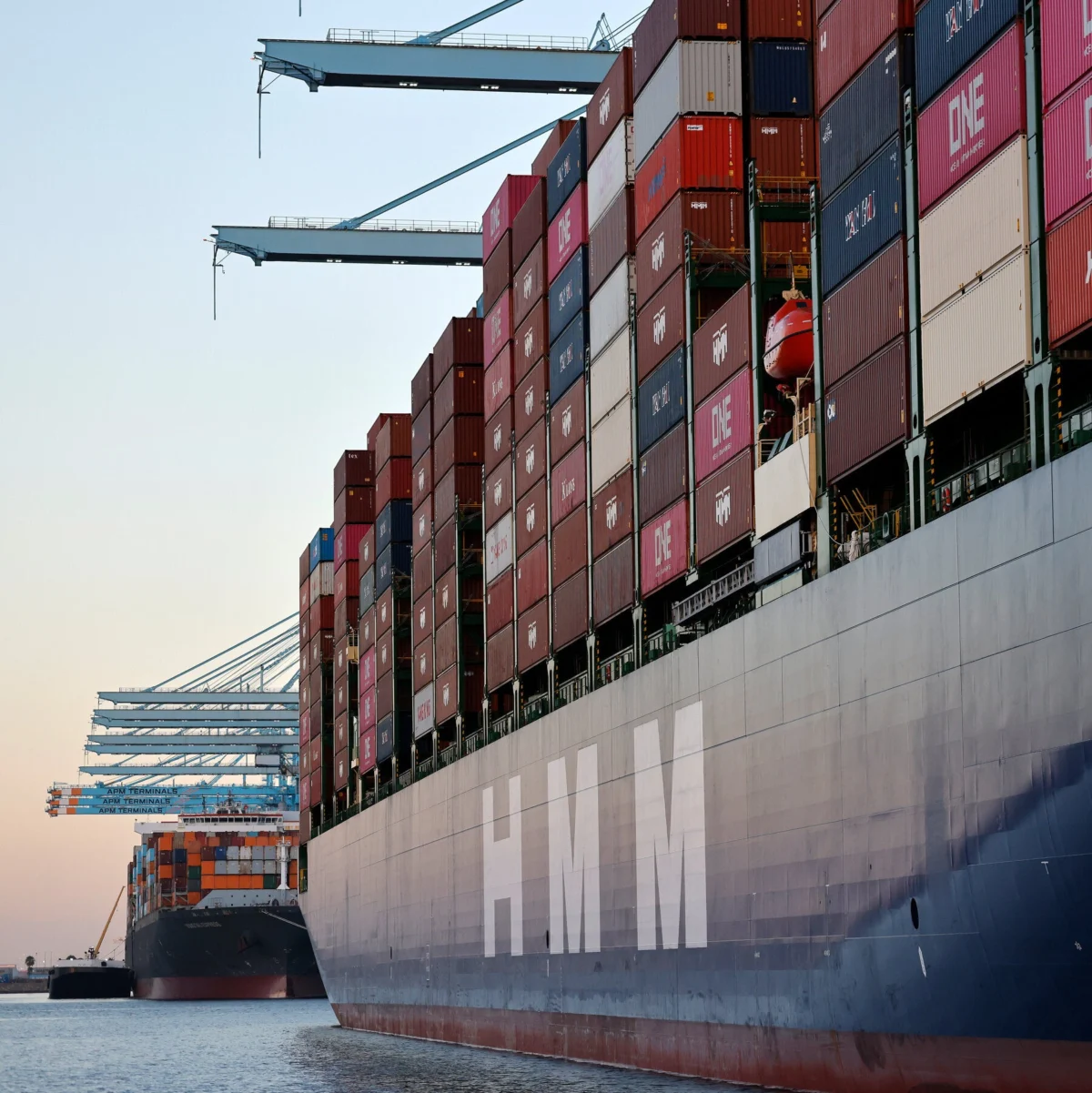
The US trade deficit continued to expand, reaching a 17-month high in recent months, undercutting the Trump administration’s goal of shrinking the gap through tariff policies. Imports and the overall trade deficit have grown despite efforts to narrow them, according to reporting from NYT > Top Stories. The widening gap signals that the tariffs imposed so far have not achieved their intended effect on import levels or the balance of trade.
This development reflects the complexity of using tariffs as a tool to manage the trade deficit, as importers, exporters, and global supply chains respond to price changes in ways that can offset short-term policy goals. The deficit’s climb adds to ongoing questions about the administration’s trade strategy and its measurable outcomes.
KEY FACTS
- US trade deficit hit a 17-month high.
- Imports and the trade deficit have grown in recent months.
- Growth occurred despite Trump administration tariffs.
- Tariffs were intended to reduce the trade deficit.
The Story: What does a rising trade deficit mean for US policy?
The trade deficit measures the difference between what the United States imports and exports. When imports exceed exports, a deficit results. Economists have long debated whether a growing deficit indicates weakness or reflects strong consumer demand and global supply chain integration.
In this case, the increase comes even as the Trump administration has maintained tariffs on thousands of products, from steel to electronics. Officials argued those levies would encourage domestic buying and reduce reliance on foreign goods, thereby shrinking the deficit. Instead, the data suggests import growth has outpaced export growth, widening the gap.
The result highlights how trade flows are influenced by many factors beyond tariffs, including currency values, exchange rates, demand abroad for US goods, and the pace of domestic economic activity. A single policy tool, such as tariffs, may not be enough to significantly shift a complex, globalized system.
How did we get here?
The Trump administration began placing tariffs on Chinese goods and other trading partners in 2018, arguing that unfair trade practices and high import volumes were responsible for a large and persistent trade deficit. The administration frequently pointed to the deficit as evidence of economic harm and used it to justify sweeping trade actions.
Initial projections suggested that tariffs would raise the cost of imports, discourage purchases, and bring more production back to the United States. However, businesses and consumers often absorb or pass along costs rather than halt purchases outright. Some companies shifted sourcing to other countries, while others adjusted pricing strategies, allowing import levels to remain high or even grow.
Additionally, exports have not risen at the pace necessary to outstrip import growth, leaving the deficit at elevated levels. This dynamic reinforces a broader reality in international economics: trade balances are highly responsive to macroeconomic forces that move slowly, if at all, in response to short-term policy shifts.
WHAT WE KNOW — AND WHAT WE DON’T
Verified by the source:
- The US trade deficit reached a 17-month high in recent months.
- Imports and the trade deficit have increased despite the Trump administration’s tariffs.
- Tariffs were intended to reduce the trade deficit.
Still unconfirmed:
- The exact numerical value of the current trade deficit.
- The specific tariff programs or countries involved.
- Whether any officials have commented on the latest figures.
- The time period covered by the reported data.
Why it matters
The trade deficit influences debates over jobs, manufacturing, and economic independence, making it a central concern for policymakers and voters alike. A rising deficit can fuel arguments for stronger protectionist measures, while others see it as a normal outcome of open markets and consumer choice.
What to watch
Further data releases will show whether the trade deficit continues its upward trend or stabilizes in coming months. Analysts will also watch for any official response from the administration regarding its trade strategy.