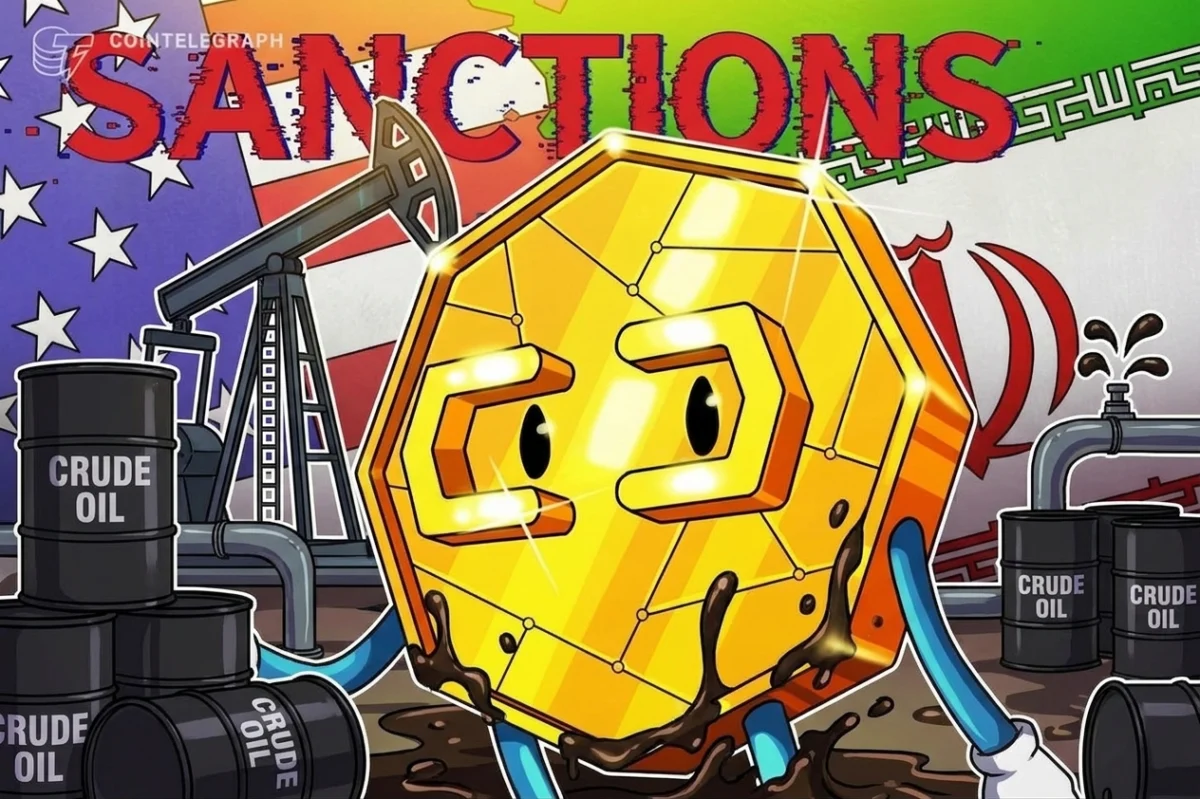
The US Treasury has expanded sanctions to target Iran’s digital asset sector, alleging that a UAE-based broker facilitated over $100 million in cryptocurrency transactions linked to oil sales.
According to Cointelegraph.com News, the Treasury’s action highlights the growing use of cryptocurrencies in evading sanctions, particularly in the oil trade. This move marks a significant escalation in the US government’s efforts to curb Iran’s ability to bypass economic restrictions through digital assets.
Key Facts
- The US Treasury expanded sanctions to Iran’s digital asset sector.
- A UAE-based broker allegedly processed over $100 million in cryptocurrency for oil sales.
What Does This Mean for Iran’s Crypto Sector?
The expansion of sanctions to Iran’s crypto sector underscores the US government’s concern over the use of digital assets to circumvent economic restrictions. Cryptocurrencies, with their decentralized nature, have become a tool for facilitating cross-border transactions without relying on traditional banking systems. By targeting this sector, the US aims to disrupt Iran’s ability to generate revenue from oil exports through alternative financial channels.
How Does This Affect the Broader Crypto Market?
Sanctions targeting Iran’s crypto sector could have broader implications for the digital asset market. Governments worldwide are increasingly scrutinizing cryptocurrencies for their potential role in evading sanctions and facilitating illicit activities. This move by the US Treasury may prompt other countries to intensify their regulatory efforts, potentially impacting the global adoption and perception of cryptocurrencies.
What We Know — and What We Don’t
Verified by the source:
- The US Treasury expanded sanctions to Iran’s digital asset sector.
- A UAE-based broker allegedly processed over $100 million in cryptocurrency for oil sales.
Still unconfirmed:
- The specific cryptocurrencies involved in the transactions.
- Additional details about the UAE-based broker’s operations.
- The broader implications for Iran’s economy and oil trade.
Why It Matters
This development highlights the evolving role of cryptocurrencies in global finance and international relations. As digital assets become more integrated into the global economy, they present both opportunities and challenges for governments seeking to enforce economic sanctions. This case underscores the need for balanced regulation that addresses security concerns without stifling innovation.
What To Watch
Observers should monitor how Iran responds to these sanctions and whether other nations follow suit with similar measures targeting crypto sectors. Additionally, the broader impact on the cryptocurrency market will be an area of focus.