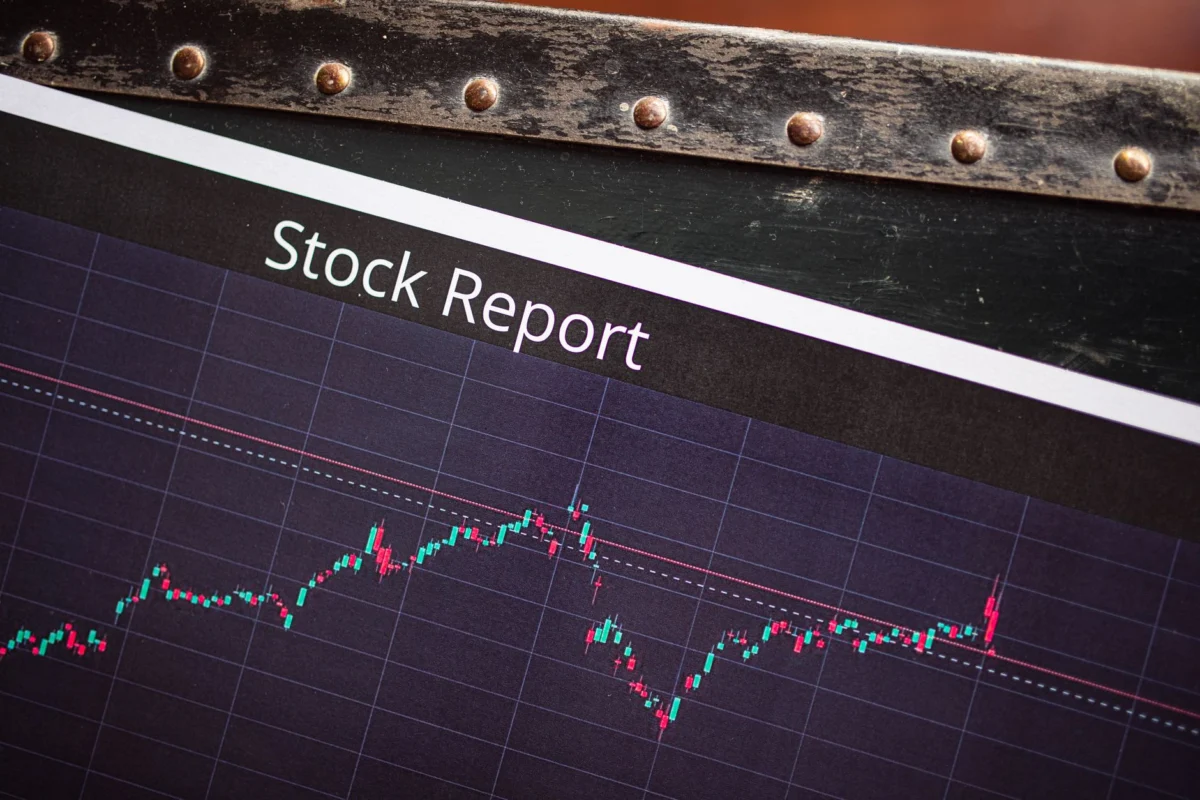
US stocks edged further from their recent record highs after oil prices rose, pushing equity valuations lower across major indices. The movement signals renewed investor sensitivity to energy costs amid broader market adjustments.
Market participants reacted to fresh upward pressure on crude, which lifted energy shares but weighed on rate-sensitive and consumer-driven sectors. Analysts note that when oil prices rise, corporate profit forecasts often shift as investors price in higher input and transportation costs. The pullback underscores how quickly sentiment can change when macroeconomic forces realign.
Key Facts
- US stocks moved further from record levels.
- Oil prices rose, influencing market direction.
- Markets reacted to energy cost increases.
- Rate-sensitive sectors faced downward pressure.
- Energy shares gained as other sectors fell.
How Did We Get Here?
In recent sessions, US equities had hovered near all-time highs driven by optimism over corporate earnings and economic resilience. However, a fresh uptick in oil prices introduced fresh uncertainty. Higher energy costs tend to raise concerns about inflation and consumer spending, both of which materially affect stock valuations.
Federal Reserve policy expectations also play into the dynamic. When oil prices rise, investors often reassess the likelihood of rate cuts or holds, since central bankers watch energy costs closely when setting monetary policy. That reassessment contributed to the day’s broader sell-off across indices.
Still, the movement was modest compared with more dramatic swings seen in volatile periods. Markets frequently recalibrate as data evolves, and today’s pullback reflects a measured response rather than panic-driven selling.
What Happens Next?
Investors will likely watch upcoming economic releases for clues on inflation and Fed intent. Oil price trajectories remain a key variable, especially if geopolitical developments continue to tighten supply expectations. Treasury yields and currency movements may also provide signals about whether today’s pullback is temporary or part of a longer trend.