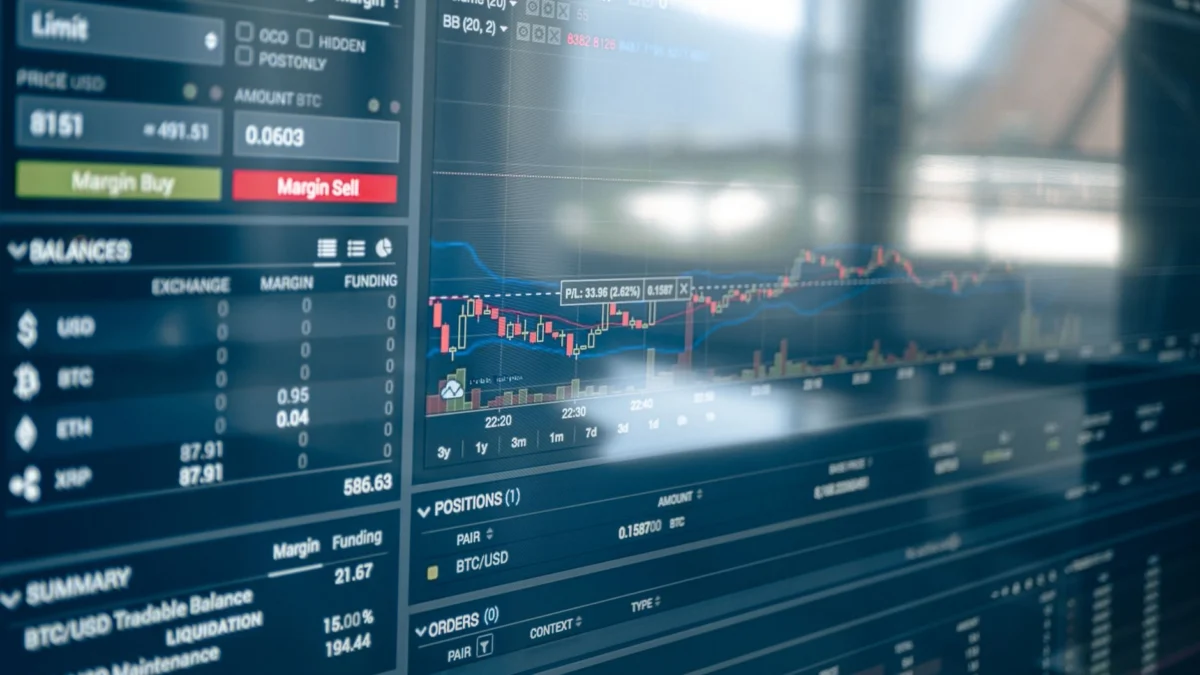
US stock futures moved lower on Wednesday, reflecting growing anxiety that the Federal Reserve may raise interest rates again. The decline came as traders digested fresh data and expectations that higher borrowing costs could dampen corporate earnings.
Why does this matter?
The shift in economy and markets sentiment is significant because futures act as an early indicator of how the broader equity indices might open. When futures slip, it often signals that the day’s trading could begin on a negative note, influencing both individual investors and institutional fund managers.
What could happen next?
Should the Federal Reserve signal an intent to increase rates, the pressure on equities could extend beyond the opening bell, potentially affecting the S&P 500, Dow Jones Industrial Average, and other major benchmarks. Market participants will be watching upcoming economic releases for clues about inflation trends and monetary policy direction.
The current pullback in stock futures underscores the delicate balance investors face between growth expectations and the cost of capital. While the immediate impact is a dip in futures values, the broader trajectory will depend on how policy signals evolve in the coming weeks.
Analysts typically advise caution when rate hike expectations rise, as higher rates can raise borrowing costs for companies and consumers alike. This environment can lead to slower earnings growth, prompting investors to reassess portfolio allocations.
Overall, the downward movement in stock futures highlights the market’s sensitivity to monetary policy outlooks. Traders will continue to monitor Fed communications and related economic data to gauge whether the current dip is temporary or the start of a broader correction.