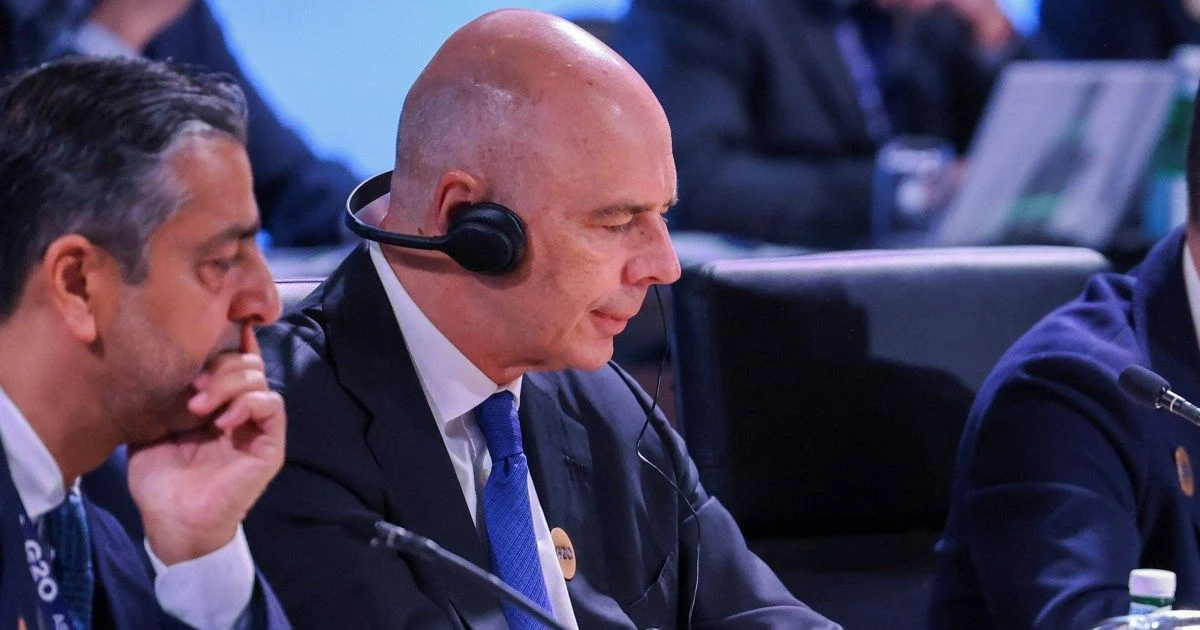
The United States has reinstated Russia’s participation in G20 finance talks, specifically engaging with Russian Finance Minister Anton Siluanov, despite objections from European officials. This move marks a shift in diplomatic engagement with Russia amid ongoing geopolitical tensions.
The discussions between Siluanov and his US counterpart highlight evolving dynamics within the G20, where economic cooperation continues despite political disagreements. European leaders have publicly criticized the decision, viewing it as premature given unresolved conflicts involving Russia.
KEY FACTS
- Anton Siluanov, Russia’s Finance Minister, held talks with his US counterpart at the G20.
- European officials objected to Russia’s inclusion in the G20 finance discussions.
- The US facilitated Russia’s return to the talks, signaling a potential diplomatic thaw.
Why is Russia’s return controversial?
Russia’s participation in international forums like the G20 has been contentious since its invasion of Ukraine in 2014. Many Western nations have sought to isolate Russia diplomatically, making its reintegration into high-level economic discussions a sensitive issue. European objections stem from concerns that normalizing Russia’s role could undermine collective efforts to hold it accountable for its actions.
What does this mean for G20 unity?
The G20, comprising the world’s largest economies, has historically presented a united front on global financial issues. Russia’s renewed participation, facilitated by the US, tests this unity as member states balance economic pragmatism with political principles. The discord underscores the challenges of maintaining consensus in a forum where geopolitical rivalries often influence economic cooperation.
WHAT WE KNOW — AND WHAT WE DON’T
Verified by the source:
- The US engaged Russia in G20 finance talks through Siluanov.
- European officials oppose Russia’s return to these discussions.
Still unconfirmed:
- The specific content of discussions between Siluanov and US officials.
- Whether other G20 members support or oppose Russia’s participation in future talks.
WHY IT MATTERS
This development signals a potential shift in Western engagement with Russia on economic matters, even as political tensions persist. For financial markets and global economic governance, Russia’s participation in G20 talks could impact decisions on issues like energy markets and financial sanctions. The European objection highlights ongoing divisions in the international community’s approach to Russia.
WHAT TO WATCH
Future G20 meetings will reveal whether Russia maintains its renewed role in financial discussions and how European objections might influence the group’s dynamics. The response from other major economies like China and India may also indicate broader trends in global economic diplomacy.