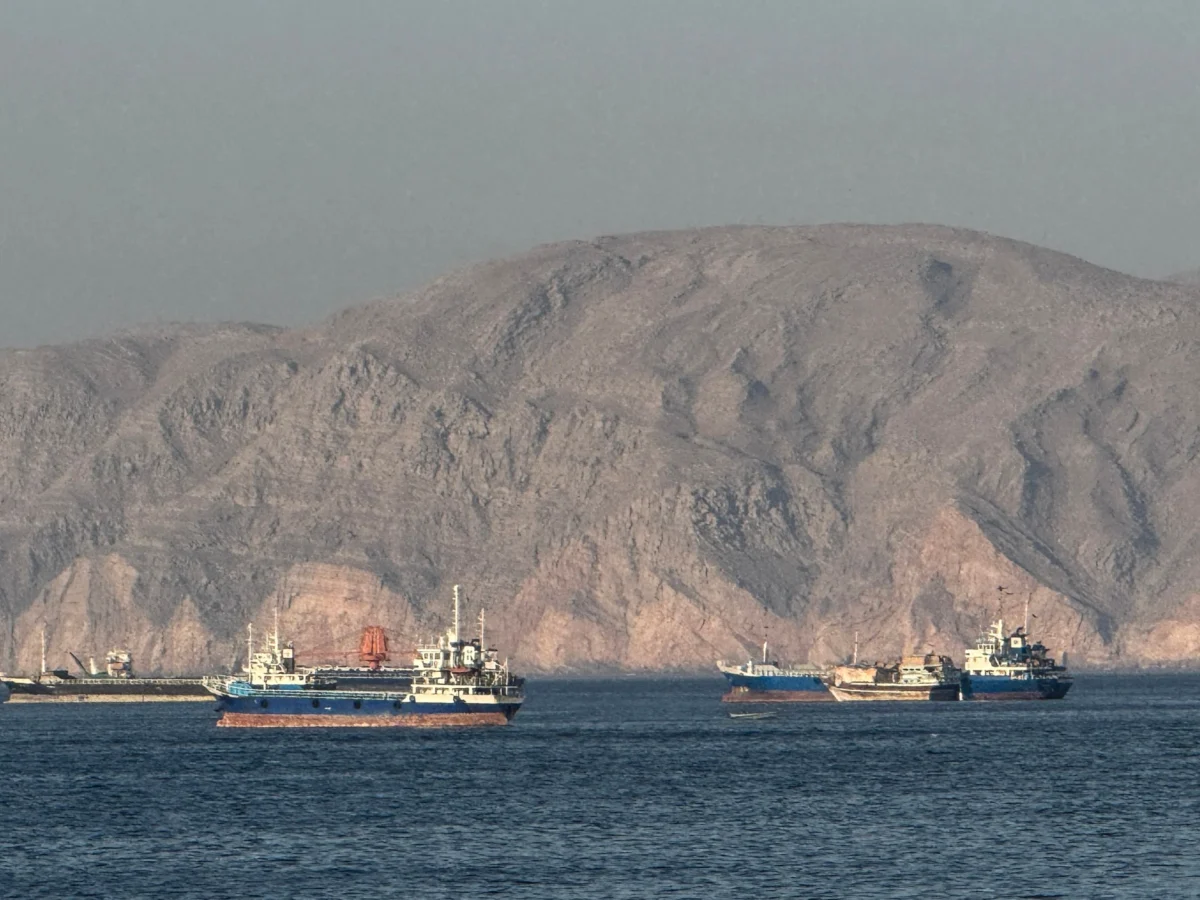
US officials have stated they will not accept any Hormuz deal that leaves Iran in control of the strategic waterway. This position underscores the ongoing tensions between the US and Iran over the Strait of Hormuz, a critical global oil chokepoint. Negotiations appear to be nearing a conclusion, but the US stance suggests significant hurdles remain.
Key Facts
- US officials say they will not accept any arrangement on the Hormuz deal that leaves Iran in control.
- Negotiations on the Hormuz deal are reportedly close to conclusion.
- The Strait of Hormuz is a critical global oil chokepoint.
What is the US Position?
The US has made it clear that it will not agree to any deal that grants Iran control over the Strait of Hormuz. This stance reflects broader geopolitical tensions between the two nations. The Strait of Hormuz is a vital passage for global oil shipments, making its control a contentious issue.
What Does This Mean for the Region?
The US position on the Hormuz deal could have significant implications for regional stability. Iran’s control over the strait would likely escalate tensions with the US and its allies. The negotiations are critical for maintaining peace and ensuring the free flow of oil through this strategic waterway.
What We Know — and What We Don’t
Verified by the source:
- US officials oppose any Hormuz deal that leaves Iran in control.
- Negotiations on the Hormuz deal are reportedly close to conclusion.
Still unconfirmed:
- The specific terms of the proposed Hormuz deal.
- Iran’s official stance on the negotiations.
- The timeline for finalizing the deal.
Why It Matters
The Hormuz deal is crucial for global energy security, given the strait’s role as a major oil transit route. US opposition to Iranian control highlights the high stakes involved and the potential for further geopolitical conflict.
What To Watch
Observers should monitor any official statements from both the US and Iran regarding the Hormuz deal, as well as any developments in the negotiations that could indicate progress or further obstacles.