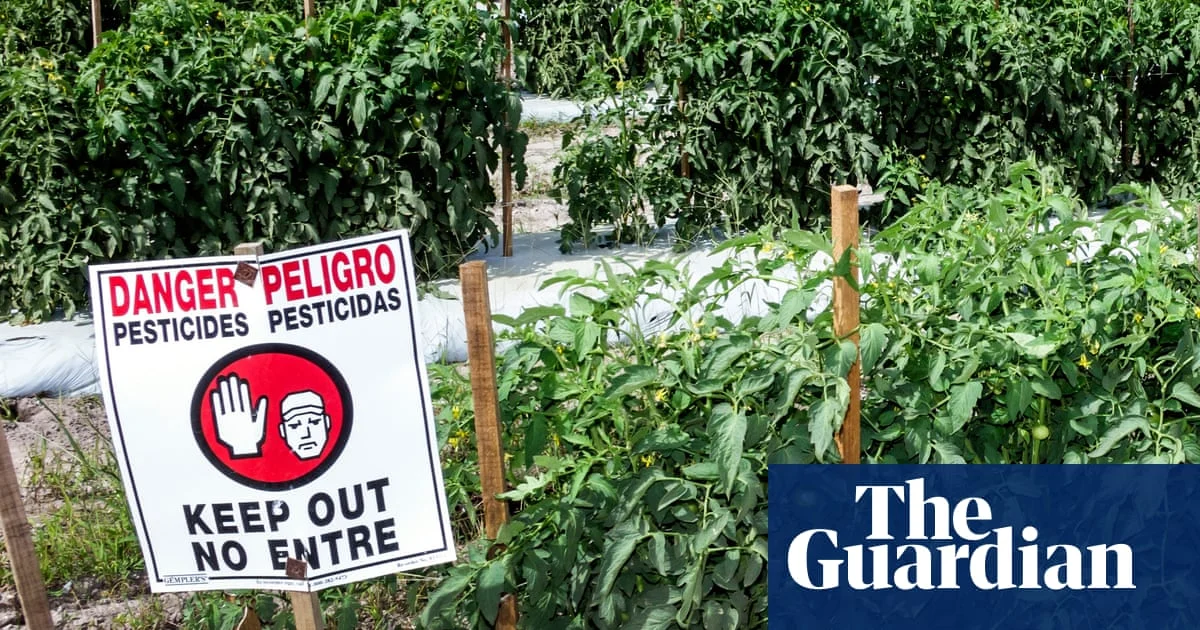
A new peer-reviewed study has identified at least 485 chemicals used in US pesticide products that are linked to breast cancer. The research, published in Environmental Health Perspective, highlights potential risks to consumers amid rising global cases of early onset breast cancer, according to World news | The Guardian.
The findings also spotlight what public health advocates describe as gaps in how US pesticide regulations operate. Notably, the review includes both active pesticide ingredients and hundreds of so-called inert or inactive ingredients that typically undergo less rigorous safety testing. These chemicals are found in products used across agriculture and possibly household settings, prompting concern over long-term exposure and health outcomes.
Key Facts
- 485 chemicals in US pesticide products linked to breast cancer, per study.
- Paper published in Environmental Health Perspective, a top journal from the American Chemical Society.
- Study examined both active and hundreds of inactive or inert pesticide ingredients.
- Inert ingredients typically do not undergo thorough safety reviews, the report says.
- Study raises concerns as early onset breast cancer rates surge worldwide.
The Story
What happens next?
The study adds pressure to ongoing debates around pesticide regulation in the United States. Public health advocates argue that current oversight fails to account for cumulative chemical exposure, particularly from inactive ingredients often overlooked during approval processes. Regulatory agencies have not yet responded formally to the study’s conclusions, leaving questions open about potential policy changes or restrictions on product use.
How many consumers are affected remains unclear, though exposure pathways may include food residues, household sprays, and agricultural runoff. Continued monitoring and possible reform of inert ingredient reviews could follow if further research supports these associations. No specific products or manufacturers were named in the summary provided by the source.
Who is affected?
Anyone consuming food grown with treated pesticides or using personal care or cleaning products containing such chemicals may be indirectly exposed. Early onset breast cancer cases globally have increased, though direct causation from these chemicals is not confirmed. The study focuses on US pesticide products specifically, suggesting domestic users and farmworkers could face higher risk depending on application methods and frequency of use.
Advocates emphasize the need for transparency in labeling and broader testing of all ingredients. While the paper identifies associations rather than proven causes, it underscores uncertainty around everyday chemical exposures and chronic disease trends. Researchers warn that more longitudinal studies are needed to establish definitive links.
How did we get here?
Regulatory loopholes have allowed many inert ingredients in pesticides to bypass full toxicological evaluation. This practice has gone largely unchecked due to industry exemptions and limited public access to ingredient data. The new study builds on decades of concerns raised by environmental groups calling for stricter oversight of all components in commercial pesticide formulations.
Prior research has tied endocrine-disrupting chemicals to hormonally sensitive cancers like breast cancer. However, this is among the first comprehensive reviews quantifying how widespread such compounds are within U.S.-approved products. Its release coincides with growing scrutiny over whether existing frameworks adequately protect public health from low-dose, long-term exposures.
What We Know — and What We Don’t
Verified by the source:
- At least 485 chemicals in US pesticide products are linked to breast cancer.
- The study was published in Environmental Health Perspective.
- It reviewed both active and inactive (inert) pesticide ingredients.
- Inert ingredients typically lack thorough safety reviews.
- Early onset breast cancer rates are rising globally.
Still unconfirmed:
- No named products or manufacturers were identified.
- No official regulatory response reported.
- Direct causal link between exposure and cancer not established.
- Number of individuals exposed regularly is unknown.
This research contributes to broader conversations about chemical safety in agriculture and consumer goods. With war-geopolitics and climate-environment often intersecting with food systems, public trust in safety standards hangs in the balance.
Why It Matters
For average readers, this study raises fundamental questions about the safety of everyday consumables and household products. Even without proven causation, the sheer scale—485 chemicals linked to breast cancer—suggests systemic issues in how pesticides are evaluated before reaching market shelves.
What To Watch
Watch for formal responses from federal agencies like the EPA or FDA regarding possible re-evaluations of inert ingredient policies. Additional research may clarify exposure levels and refine estimates of health impacts.