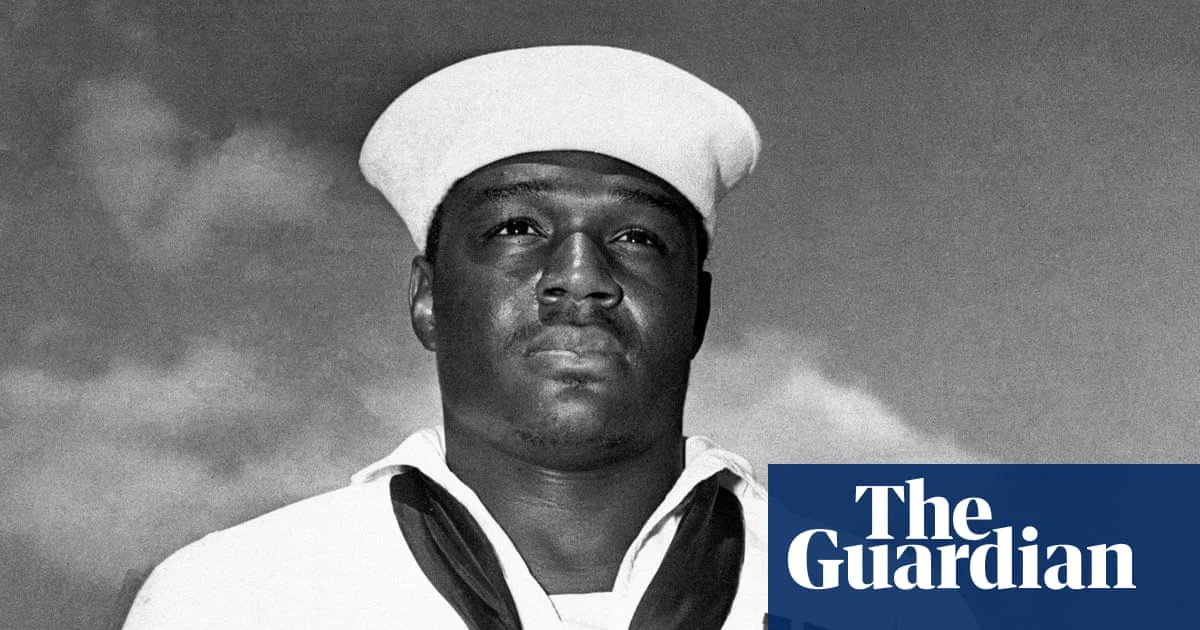
The U.S. Navy may rename an aircraft carrier originally intended to honor WWII hero Doris Miller after Donald Trump, according to reports. The potential change has drawn criticism as a “slap in the face” to veterans, given Miller’s celebrated role in the Pearl Harbor attack.
The USS Doris Miller was set to recognize the bravery of the Black sailor, who became a symbol of courage during World War II. The reported reconsideration of the name has raised questions about the Navy’s priorities and the legacy of military tributes.
KEY FACTS
- The U.S. Navy planned to name a new carrier the USS Doris Miller after the WWII hero.
- Sources indicate the Navy is considering renaming the carrier after Donald Trump.
- The reported move has been criticized as disrespectful to veterans.
- Doris Miller was celebrated for his heroism during the Pearl Harbor attack.
Why is Doris Miller significant?
Doris “Dorie” Miller was a Black mess attendant in the U.S. Navy who displayed extraordinary bravery during the attack on Pearl Harbor in 1941. Despite lacking formal combat training, he manned an anti-aircraft gun and helped rescue wounded sailors. His actions earned him the Navy Cross, making him one of the first African Americans to receive the honor. Naming a carrier after him was seen as a long-overdue recognition of his contributions.
What’s the controversy?
The reported plan to rename the carrier after Trump has sparked backlash, particularly among veterans and advocates for racial equality. Critics argue that replacing Miller’s name undermines efforts to highlight the contributions of Black service members. The Trump administration has not officially commented on the reports, leaving the Navy’s intentions unclear.
WHAT WE KNOW — AND WHAT WE DON’T
Verified by the source:
- The Navy previously announced the carrier would be named USS Doris Miller.
- Sources say discussions are underway to rename it after Donald Trump.
- Critics have labeled the potential change a “slap in the face” to veterans.
Still unconfirmed:
- Whether the Navy has finalized a decision on the renaming.
- The official stance of the Trump administration on the matter.
- How widespread the backlash is among military personnel and veterans.
WHY IT MATTERS
The naming of military assets carries deep symbolic weight, reflecting national values and historical recognition. A shift from honoring a Black war hero to a polarizing political figure could signal broader debates about legacy, representation, and the military’s role in memorializing service.
WHAT TO WATCH
Further official statements from the Navy or the Trump administration will clarify whether the renaming is proceeding. Public and veteran reactions may also influence the decision.