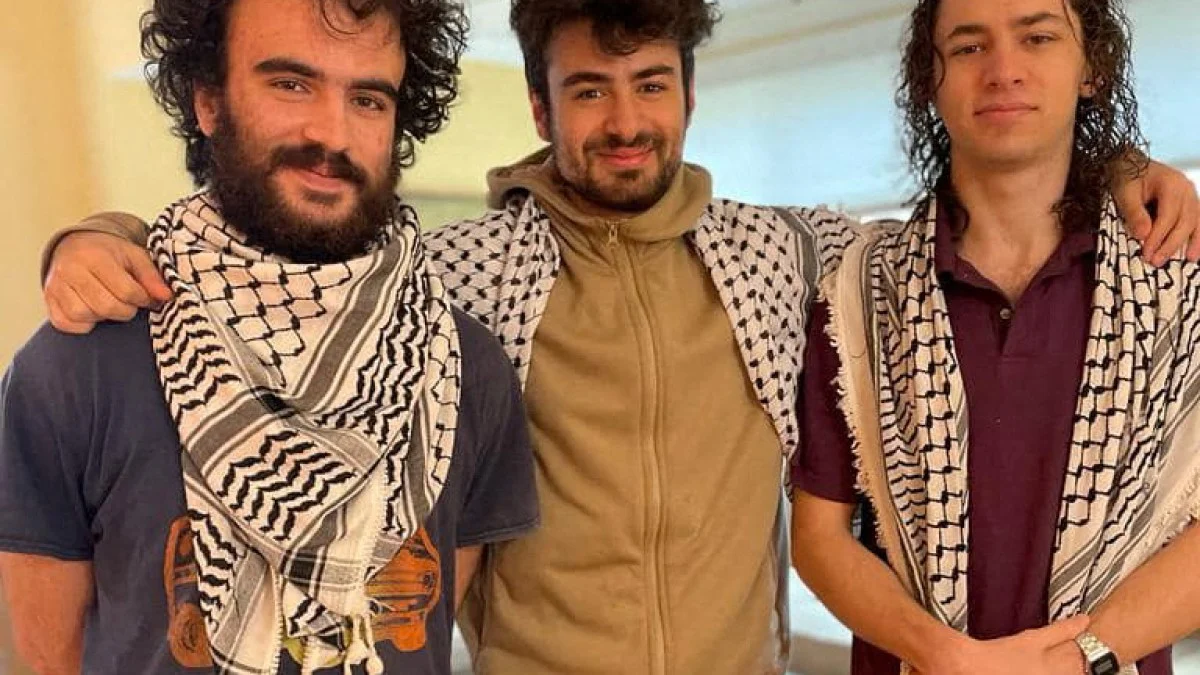
A Vermont jury has convicted a man in connection with the 2023 shooting of three Palestinian students, rejecting his insanity defense and exposing him to a potential sentence of up to life in prison. The case centered on a single night of gunfire that left three people injured and prompted a federal hate-crime investigation alongside state charges.
The conviction closes a major chapter in a case that drew national attention for its intersection of gun violence and questions about bias-motivated crime. Prosecutors presented evidence that the defendant fired multiple rounds, while the defense argued mental illness negated criminal responsibility. The jury’s decision means sentencing will turn next on whether the court finds the crime met federal bias-crime thresholds.
Key Facts
- Defendant: Jason Eaton was convicted in the 2023 shooting of three Palestinian students in Vermont.
- Sentence exposure: Jason Eaton faces up to life in prison.
- Insanity defense rejected: A jury rejected the defendant’s insanity defense.
- Victims: Three Palestinian students were shot.
What Happens Next?
With the verdict secured, attention shifts to sentencing, where courts must weigh the state conviction alongside any federal hate-crime counts that may still move forward. Legal experts note that convictions tied to attacks on students often carry enhanced penalties when bias is proven, and prosecutors have not ruled out seeking additional charges through federal channels.
Beyond punishment, the 2023 shooting has reignited broader conversations about campus safety, antisemitism and Islamophobia tracking, and how mental-health defenses are evaluated in politically charged cases. Advocacy groups on both sides of the Israeli-Palestinian divide have called for transparency as the legal process continues.
Who Is Affected?
The three surviving victims, their families, and the broader Palestinian-American community are grappling with the aftermath of the 2023 shooting while monitoring ongoing legal proceedings. Colleges and universities nationwide have reviewed security protocols for student housing and campus events since the incident first unfolded.
Student organizations focused on Middle Eastern affairs report increased anxiety among Palestinian and Israeli students alike, even as leaders emphasize that violence is not representative of campus discourse. Legal observers say the case could set precedent for how future attacks on student groups are prosecuted under both state and federal statutes.
What We Know — and What We Don’t
Verified by the source:
- Jason Eaton was convicted of shooting three Palestinian students in 2023 in Vermont.
- A jury rejected his insanity defense.
- He faces up to life in prison.
Still unconfirmed:
- The exact injuries sustained by the three students.
- Whether federal hate-crime charges have been filed.
- The date of the next court appearance or sentencing hearing.
- Details of the evidence presented at trial.
Why It Matters
This conviction lands at a moment when colleges and communities are reckoning with politically motivated violence and how the justice system responds to crimes targeting ethnic or religious identity groups. How the courts handle sentencing and any federal charges will likely shape future responses to similar attacks.
What To Watch
All eyes now turn to sentencing and whether federal prosecutors will pursue additional hate-crime counts. The outcome could influence how similar cases are handled across the country.
A Vermont jury convicted Jason Eaton in the 2023 shooting of three Palestinian students, rejecting his insanity defense and leaving him open to a life sentence.