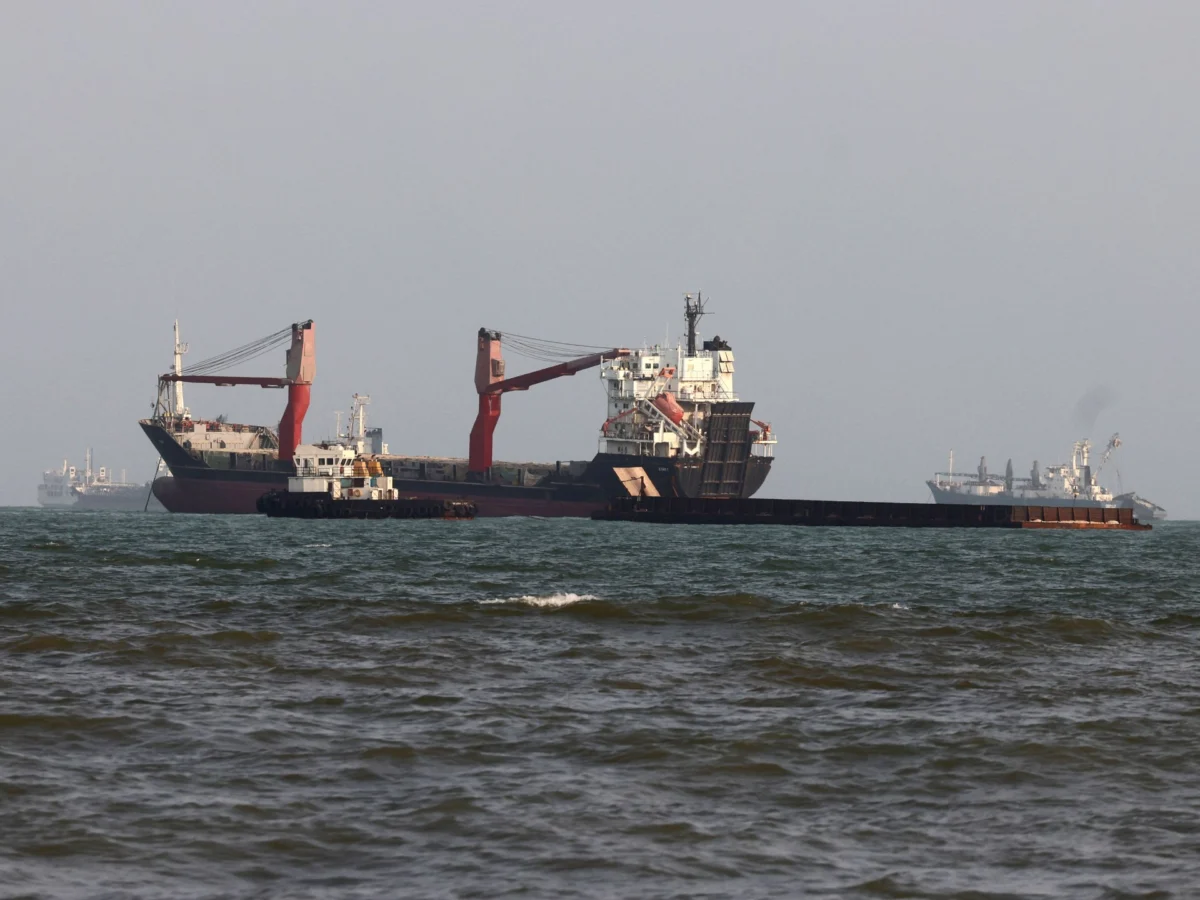
Talks between the US and Iran remain at a deadlock, with no immediate resolution in sight as mediators work to coax negotiations forward. The standoff continues in the Strait of Hormuz, a critical waterway for global oil shipments, heightening regional tensions.
Efforts to restart dialogue have so far yielded little progress, with both sides maintaining their positions. The situation underscores the fragile state of US-Iran relations and the broader geopolitical stakes involved.
KEY FACTS
- US-Iran talks are currently deadlocked, according to Al Jazeera.
- The standoff is centered around the Strait of Hormuz.
- Mediators are attempting to facilitate negotiations between the two nations.
WHAT’S HAPPENING NOW?
The US and Iran remain in a tense standoff in the Strait of Hormuz, a narrow passage vital for global oil transport. Mediators are reportedly attempting to ease tensions and revive stalled negotiations, though no breakthroughs have been reported. The deadlock reflects deep-seated disagreements between the two nations on key issues, including sanctions and regional security.
HOW DID WE GET HERE?
The current impasse follows years of strained relations between the US and Iran, marked by sanctions, accusations, and proxy conflicts across the Middle East. The Strait of Hormuz has long been a flashpoint, with Iran periodically threatening to disrupt shipping in response to US pressure. Previous attempts at diplomacy, including the now-defunct 2015 nuclear deal, have failed to produce lasting stability.
WHAT WE KNOW — AND WHAT WE DON’T
Verified by the source:
- Talks between the US and Iran are deadlocked.
- The standoff is occurring in the Strait of Hormuz.
- Mediators are working to facilitate negotiations.
Still unconfirmed:
- Specific demands or concessions from either side.
- Whether mediators have proposed a new framework for talks.
- The likelihood of an imminent breakthrough.
WHY IT MATTERS
The deadlock in US-Iran talks carries significant implications for global energy markets and regional security. The Strait of Hormuz handles about 20% of the world’s oil shipments, and prolonged tensions risk disrupting supply chains and escalating conflicts in the Middle East.
WHAT TO WATCH
Observers will monitor whether mediators can break the deadlock and whether either side shows flexibility in their positions. Further developments in the Strait of Hormuz could signal whether tensions are easing or worsening.