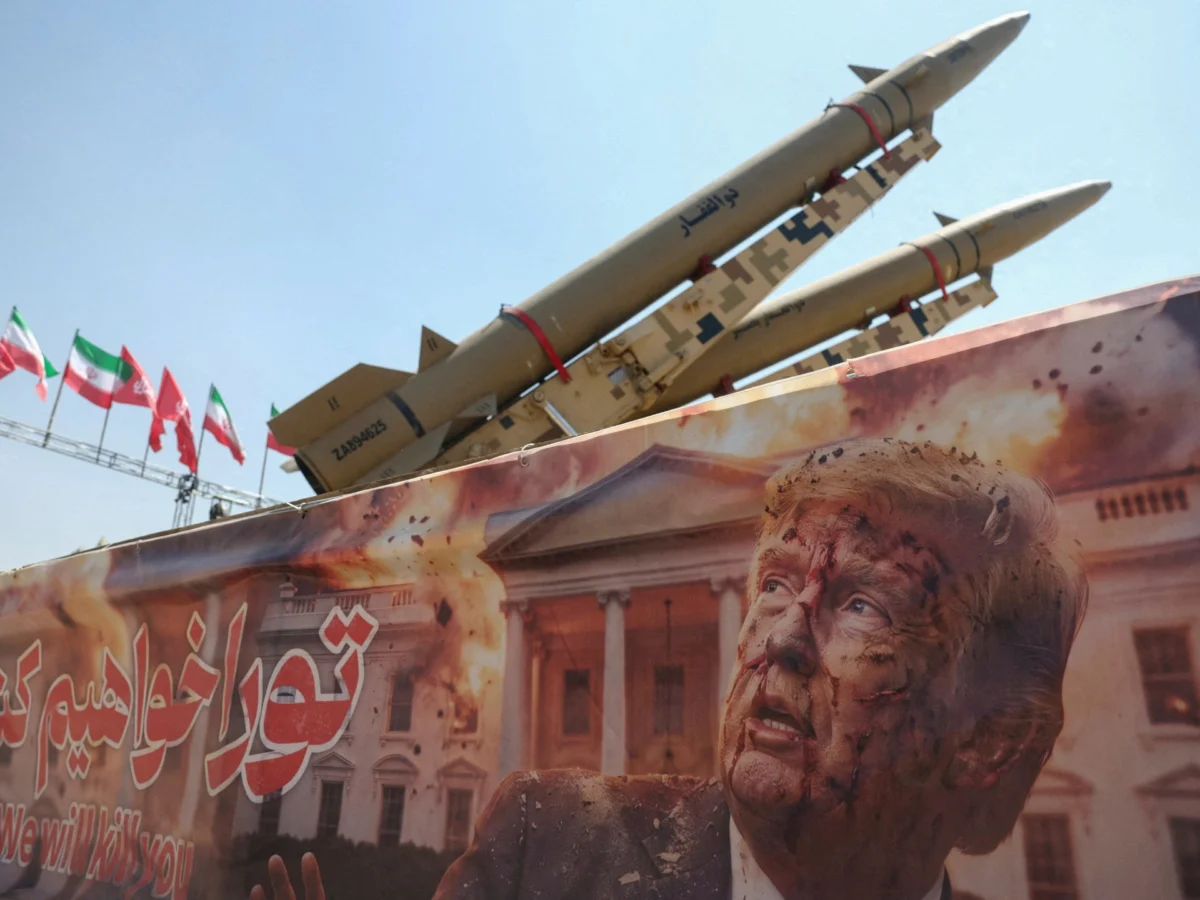
The US and Iran have made conflicting statements about control over the Hormuz Strait, a vital waterway for global oil shipments. President Trump asserts US dominance, while Tehran demands US compliance with its conditions.
The Hormuz Strait is a narrow passage connecting the Persian Gulf with the Gulf of Oman, through which a significant portion of the world’s oil passes. Both nations have historically viewed control over the strait as crucial to their strategic interests.
Key Facts
- President Trump claims the US has 'total control' of the Hormuz Strait.
- Iran insists the US must meet its demands.
- The Hormuz Strait is a critical global shipping route.
What’s at Stake?
The Hormuz Strait is a geopolitical flashpoint, with control over it affecting global energy markets and regional stability. Both the US and Iran have vested interests in asserting dominance over this strategic waterway. Tensions have escalated in recent years, with incidents involving military confrontations and diplomatic standoffs.
What Happens Next?
Observers are watching for further escalation or diplomatic efforts to de-escalate tensions. The conflicting claims from both sides suggest a potential for increased military posturing or negotiations. The situation remains fluid, with neither side showing signs of backing down.
What We Know — and What We Don’t
Verified by the source:
- President Trump has claimed US has 'total control' of the Hormuz Strait.
- Iran insists the US must meet its demands.
Still unconfirmed:
- Whether US or Iran has military control over the strait.
- What specific demands Iran is making of the US.
Why It Matters
The Hormuz Strait is a linchpin of global energy security, and any disruption could have far-reaching economic and geopolitical consequences. The ongoing dispute underscores the fragility of international relations in the region.
What to Watch
Further statements from both sides and potential military movements will indicate the direction of this standoff. Diplomatic efforts to resolve the conflict will also be closely monitored.