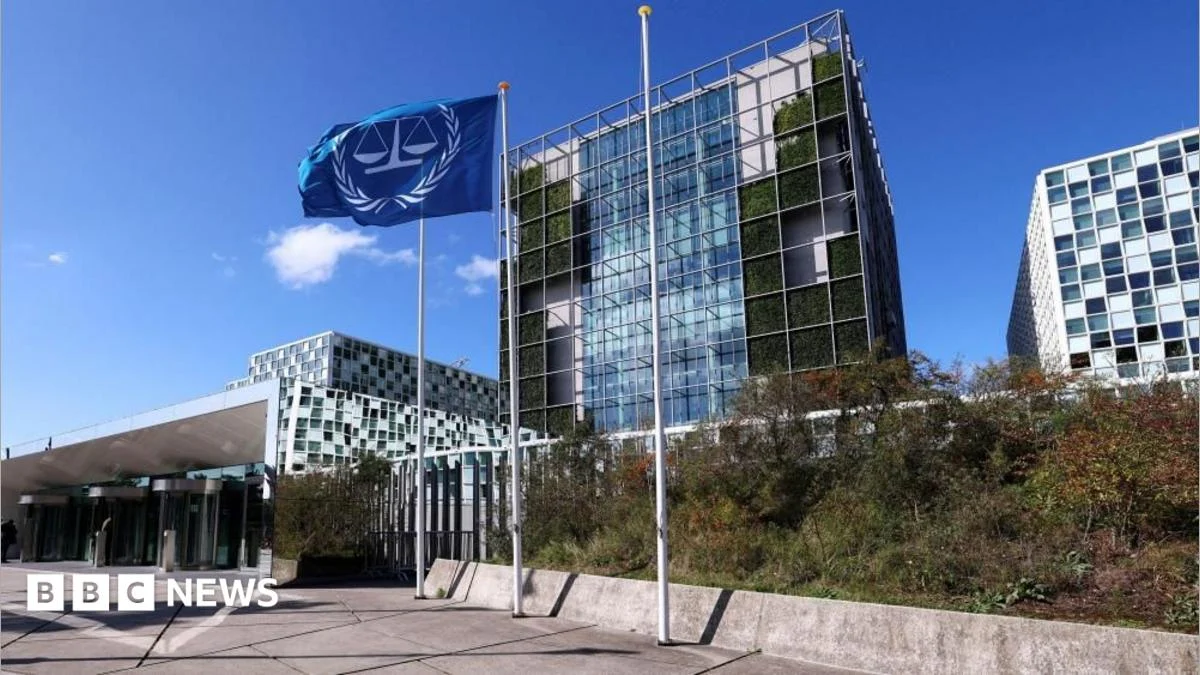
The United States has imposed sanctions on the International Criminal Court (ICC), a move the court itself has condemned as an ‘assault on the rule of law.’ Several member states of the international tribunal, including the UK, have voiced strong disagreement with the sanctions.
The action marks a significant escalation in tensions between the US and the global judicial body, which operates independently of any single nation. The ICC prosecutes individuals for war crimes, crimes against humanity, and genocide, making it a focal point of geopolitical friction.
Key Facts
- The US has imposed sanctions on the International Criminal Court.
- The ICC condemned the sanctions as an ‘assault on the rule of law’.
- The UK and other ICC member states ‘strongly disagree’ with the sanctions.
Why the Sanctions Matter
The sanctions represent the latest development in a long-standing dispute between the US and the ICC. The court has been investigating potential war crimes related to Afghanistan, including actions involving US military and intelligence personnel. Washington has consistently opposed the court’s jurisdiction, arguing it lacks legal authority over American citizens.
The sanctions could complicate the ICC’s operations and strain diplomatic relations with nations that support the court. Legal experts warn the move may undermine international judicial norms and set a precedent for other countries to retaliate against global institutions.
How Did We Get Here?
The ICC opened its investigation into Afghanistan in 2017, later expanding its scope to include alleged crimes by the Taliban and US forces. The court authorized full prosecution in 2020, prompting swift criticism from US officials who labeled the probe unjust.
President Biden’s administration had previously signaled reluctance to escalate tensions with the ICC, but recent developments—including the court’s issuance of arrest warrants—appear to have shifted US policy. The sanctions now deepen divisions between the US and a bloc of European allies who defend the ICC’s mandate.
Who Is Affected by the Sanctions?
The immediate target of the sanctions remains unclear without further detail from official sources. However, past US actions against the ICC have targeted officials involved in investigations, including judges and prosecutors.
For ICC member states, the sanctions create a diplomatic dilemma. While some nations back the court’s independence, others may reconsider their support amid pressure from the US, the world’s sole superpower.
What We Know — and What We Don’t
Verified by the source:
- The US imposed sanctions on the International Criminal Court.
- The ICC referred to the sanctions as an ‘assault on the rule of law’.
- The UK and other ICC members stated they ‘strongly disagree’ with the sanctions.
Still unconfirmed:
- The specific individuals or entities targeted by the sanctions.
- The legal mechanism used by the US to justify the sanctions.
- Whether additional countries will join the UK in condemning the move.
- Any potential response from the ICC or UN Security Council.
Why It Matters
The sanctions on the ICC highlight growing friction between major powers and international judicial bodies. As global institutions face increasing resistance, the balance between national sovereignty and accountability hangs in the balance—a dynamic closely watched by diplomats, legal scholars, and human rights advocates worldwide.
What to Watch
Further statements from member states and responses from the ICC are expected in the coming days. Analysts will also monitor whether the sanctions influence ongoing prosecutions or prompt broader policy shifts from Washington.