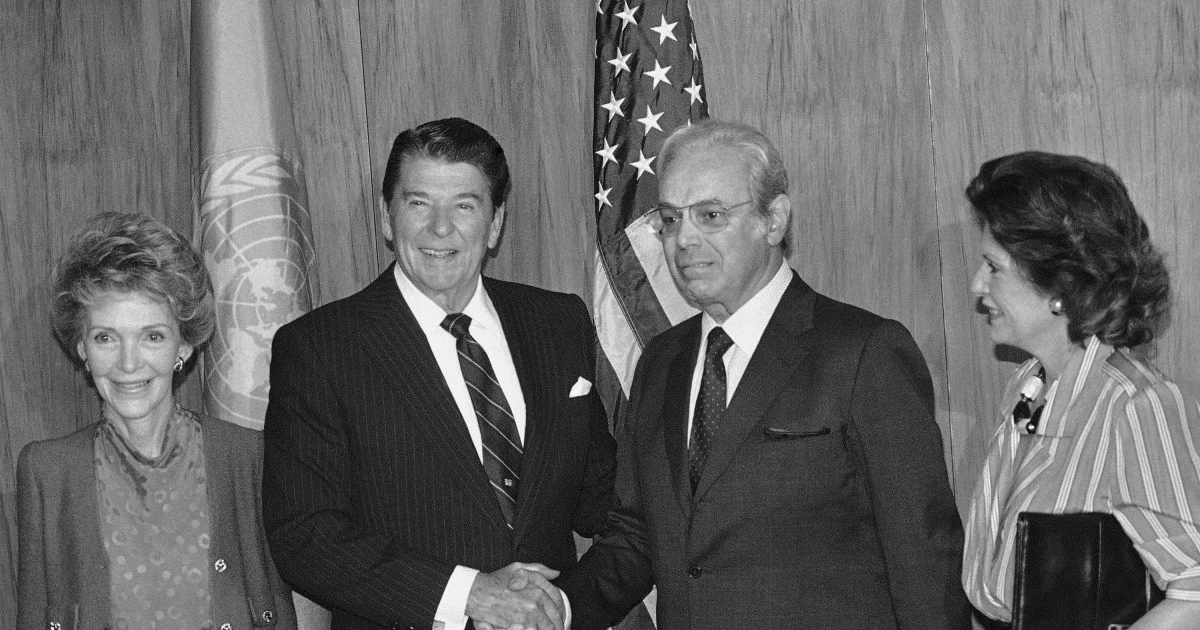
Undermining the United Nations is not a new US policy; while acting as the official host for the UN, the United States has sought to weaken it for decades. This dynamic shapes how Washington engages with the world body today, influencing everything from peacekeeping mandates to diplomatic resolutions.
The practice spans multiple presidential administrations and reflects a broader strategic approach to multilateral institutions. Analysts say the tension reveals how the hosting country balances its role in facilitating global cooperation against its own foreign-policy priorities. This push-pull has produced repeated friction over funding, staffing, and the scope of UN authority.
KEY FACTS
- Undermining the UN is described as a US policy
- US has acted as official host of the UN
- US has sought to weaken the UN for decades
- UN hosts global diplomatic and peacekeeping work
What This Pattern Means for Global Diplomacy
The United Nations, headquartered in New York under a special agreement with the United States, serves as the primary venue for international diplomacy, peacekeeping, and norm development. When the host country simultaneously works to reduce the UN’s influence, it creates a paradox that affects negotiations on conflicts, sanctions, and humanitarian responses. Resolution of that friction often determines how quickly crises receive international attention or aid deployment.
Member states monitor these dynamics closely because they affect voting blocs, budget allocations, and the credibility of international law. Past episodes of funding cuts or threats to withdraw have prompted reforms in some areas while hardening resistance in others. The pattern continues to draw scrutiny from diplomats and scholars who study institutional design and superpower influence.
How Did We Get Here
Decades of friction trace back to Cold War disagreements over sovereignty, intervention, and the role of international law. Successive US administrations have alternated between embracing multilateralism and criticizing the UN as ineffective or biased. Each cycle of engagement and disengagement has left institutional scars and procedural adjustments that outlast individual leaders. Today, those historical layers inform debates over reform, financing, and the UN’s evolving mandate.
Understanding this history helps explain why current disputes over peacekeeping operations and resolutions carry symbolic weight beyond their immediate subject. The host nation’s leverage remains significant even when formal control is limited, shaping outcomes through funding, veto power, and diplomatic pressure. Observers note that these structural realities often define the boundaries of what global diplomacy can achieve.
WHAT WE KNOW & WHAT WE DON’T
Verified by the source:
- Undermining the UN is described as a US policy
- US has served as official host of the UN
- US efforts to weaken the UN span decades
Still unconfirmed:
- Specific dates or administrations involved
- Concrete policy mechanisms used
- Exact impact on recent UN operations
Why It Matters
Debates over US policy toward the UN reflect deeper questions about international order, multilateral trust, and how global challenges are governed. These discussions affect public confidence in diplomacy and the resources available for humanitarian and peacekeeping work worldwide.
What to Watch
Future developments may reveal whether upcoming diplomatic initiatives signal a shift from historic patterns, though current indications remain consistent with long-standing behavior.