LEDE
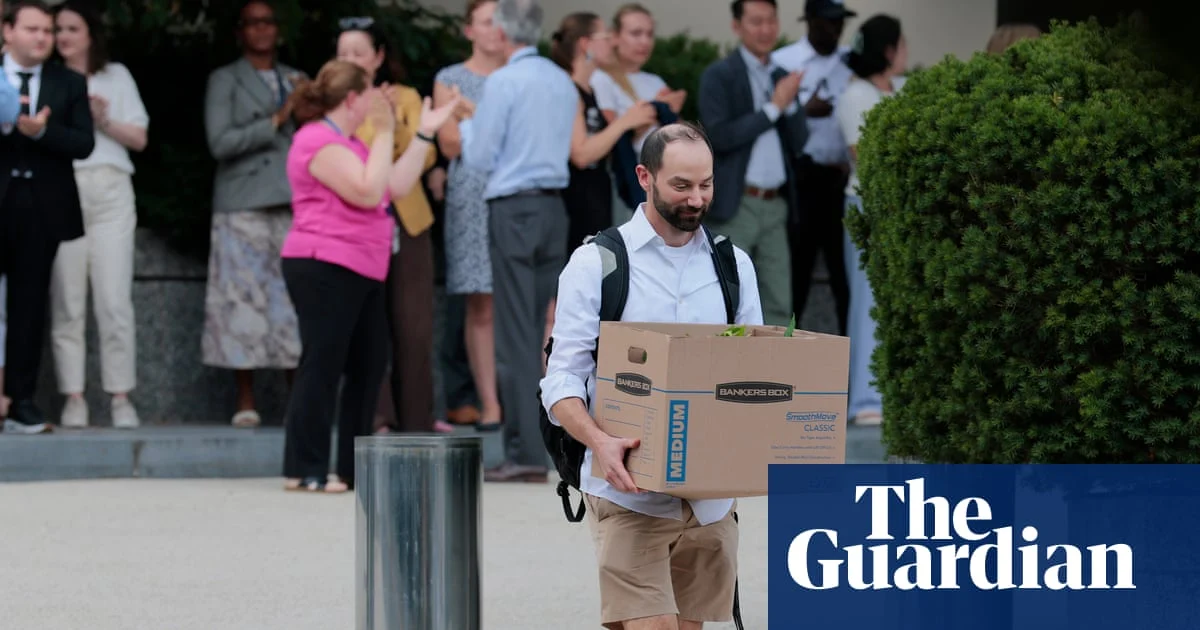
The US government spent $9.5bn paying federal workers to stay home in 2025 as part of cost-cutting measures led by the Department of Government Efficiency (Doge). A Government Accountability Office (GAO) report revealed that agencies placed workers on paid administrative leave at a rate 435% higher than in 2023, resulting in sixfold cost increases over two years.
The spike in paid administrative leave usage coincided with broad workforce restructuring efforts aimed at reducing federal employment levels. According to the GAO report released Tuesday, these administrative removals became a primary mechanism through which agencies attempted to downsize operations without formal terminations.
This approach raises questions about transparency, cost-effectiveness, and long-term staffing impacts across federal departments.
KEY FACTS
- US government paid federal employees $9.5 billion not to work in 2025 $9.5bn
- Usage of paid administrative leave rose by 435% from 2023 to 2025 435%
- Costs increased sixfold compared to spending in 2023 six times
- Rise tied to Trump administration efforts to shrink the federal workforce Trump
- Department of Government Efficiency (Doge), led by Elon Musk, coordinated effort Doge
THE STORY
What Happens Next for Affected Workers?
Federal employees placed on paid administrative leave remain officially employed but are removed from active duty during organizational transitions. While recipients continue receiving full salaries and benefits, their roles may be eliminated permanently depending on future budget allocations and restructuring plans.
Agencies typically justify such placements citing operational restructuring, redundancy concerns, or performance-related reviews. However, the lack of clear timelines or final disposition guidance can leave workers uncertain about their long-term positions within the civil service system.
Meanwhile, oversight bodies like the GAO have called attention to rising expenditures associated with extended leave periods, suggesting potential inefficiencies in current downsizing strategies.
How Did Paid Administrative Leave Usage Surge So Sharply?
In prior years, federal agencies rarely relied on mass placements of workers onto paid administrative leave except in cases involving misconduct investigations or security suspensions. The dramatic increase beginning around 2023 aligns with new directives from the executive branch focused on streamlining operations and cutting costs.
The Doge initiative, supported by high-level policy changes, encouraged agency leaders to identify areas where staffing reductions could occur with minimal legal risk. Placing employees on paid leave offered a way to reduce headcount temporarily while avoiding direct layoffs that might trigger backlash or union grievances.
However, this method shifted expenses rather than eliminating them entirely, leading to increased short-term deficits despite intended savings.
Who Is Affected Beyond Direct Staff?
While direct recipients of paid administrative leave experience immediate disruptions to career progression and workplace engagement, broader federal functions also feel ripple effects. Reduced personnel availability can delay public services ranging from benefits processing to regulatory compliance activities.
Citizens interacting with impacted offices may face slower response times or reduced accessibility depending on department-specific implementation of leave policies. Additionally, contractors and partners working under government contracts might see project delays if key personnel are suddenly reassigned off active duty status.
Furthermore, morale among remaining staff often suffers due to uncertainty surrounding organizational stability and job security concerns amplified by widespread administrative turnover patterns.
WHAT WE KNOW — AND WHAT WE DON’T
Verified by the source:
- The US government spent $9.5 billion on paid administrative leave for federal workers in 2025.
- Use of paid administrative leave increased 435% between 2023 and 2025.
- Total costs rose sixfold compared to 2023 expenditures.
- The uptick was linked to efforts by the Department of Government Efficiency (Doge).
- Elon Musk spearheaded Doge initiatives targeting federal workforce reduction.
Still unconfirmed:
- Exact number of individual federal employees placed on leave during 2025.
- Department-by-department breakdown showing which agencies contributed most to cost increases.
- Long-term outcomes for workers after their leave periods concluded.
- Precise timeline or criteria used for initiating or ending leave assignments.
- Whether all agency decisions reflected formal Doge coordination versus independent actions.
WHY IT MATTERS
Taxpayer dollars fund both necessary government services and costly internal adjustments. When large sums are allocated toward keeping workers idle instead of actively contributing to public missions, it prompts scrutiny about fiscal accountability and strategic planning effectiveness at the federal level.
WHAT TO WATCH
Further updates from the GAO or congressional committees examining federal spending trends will clarify whether similar spikes in administrative costs persist beyond 2025 or if corrective measures take effect soon.
Meta description: GAO reports $9.5bn paid administrative leave costs rose 435% amid Doge-led workforce cuts.