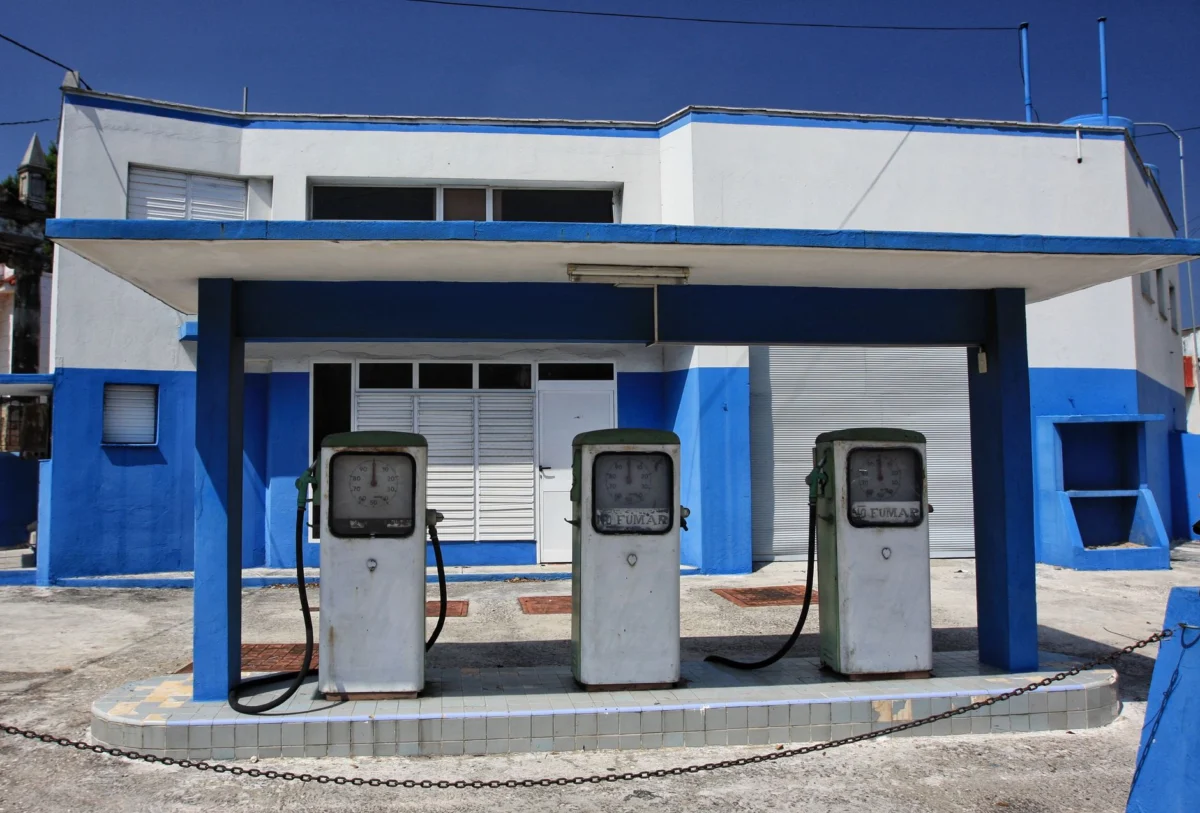
Limited US fuel sales to Cuban businesses are providing an unusual glimpse of market-oriented transactions in Havana’s traditionally restricted economy, according to a Reuters report. This small but significant commercial activity suggests potential openings in Cuba’s state-dominated fuel distribution system, though the exact scale and terms remain unclear.
The fuel sales represent rare direct economic activity between US suppliers and Cuba’s emerging private sector, which has expanded modestly in recent years under revised government regulations. While Cuba maintains strict control over most bulk imports including fuel, exceptions appear to be developing for certain private enterprises.
KEY FACTS
- US suppliers are selling fuel to private Cuban businesses
- The transactions represent a capitalist economic element in Havana
- Commercial arrangements appear limited in scale
- Activities are ongoing despite broader US-Cuba trade restrictions
- Impact on Cuba’s state-run fuel economy remains unclear
WHAT DOES THIS MEAN FOR CUBAN BUSINESSES?
The reported fuel sales offer Cuban entrepreneurs rare direct access to US petroleum products, bypassing traditional state distribution channels. For small private businesses in transportation and related sectors, this could improve operational flexibility and reduce dependence on government-allocated supplies. However, the transactions appear carefully managed rather than representing broad market liberalization.
Cuba has gradually expanded private sector participation in certain areas since 2010 economic reforms, but maintains tight control over strategic imports including fuel. These reported sales suggest authorities are making pragmatic exceptions for some private economic activity, possibly due to Cuba’s ongoing economic crisis and foreign exchange shortages.
HOW DO THE SALES WORK UNDER US SANCTIONS?
The transactions reportedly continue despite long-standing US trade restrictions on Cuba. US sanctions permit certain humanitarian trade but generally prohibit commercial fuel sales. However, exemptions may apply for private sector support activities that don’t benefit Cuban state enterprises. The exact legal justification and authorization process remains unspecified in the report.
US policy has varied under different administrations, with Obama-era normalization efforts followed by Trump-era sanctions tightening and limited Biden adjustments. The reported fuel sales indicate possible continuing small-scale engagement channels despite broader restrictions.
WHAT WE KNOW — AND WHAT WE DON’T
Verified by the source:
- US fuel sales to private Cuban businesses are occurring
- The sales represent capitalist-style commerce in Havana
Still unconfirmed:
- The exact volume and dollar value of fuel transactions
- Whether Cuban authorities officially approve the sales
- How many businesses benefit from the arrangement
WHY IT MATTERS
These small-scale fuel sales offer insights into evolving economic dynamics between the US and Cuba and within Cuba’s own changing business landscape. They suggest practical cooperation can emerge even amid broader political tensions and trade restrictions, potentially signaling gradual economic shifts in one of the world’s few remaining socialist systems.
WHAT TO WATCH
Whether these commercial fuel transactions represent a trial program or lead to expanded trade channels under existing US humanitarian exceptions. Also watch for any official Cuban government reaction or policy adjustments regarding private sector fuel access as the country continues struggling with severe economic challenges.