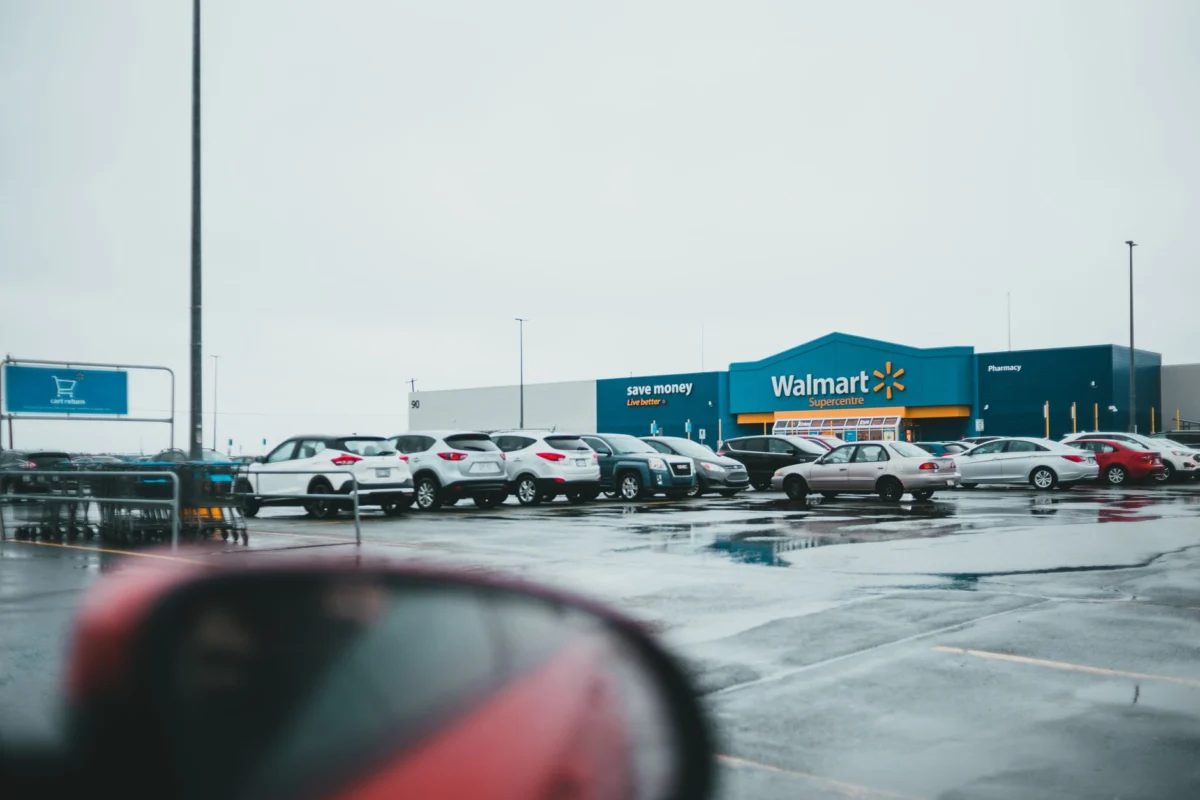
The US Federal Trade Commission (FTC) has demanded that major companies hand over data related to personalized pricing, including Walmart, Uber, and Delta, according to sources familiar with the matter. This move signals heightened regulatory scrutiny over how firms tailor prices for individual consumers based on browsing behavior, location, and purchase history. Personalized pricing involves charging different customers different prices for the same good or service, often using data analytics and algorithms.
The data sought by the FTC may include information on how these companies collect and use consumer data to set prices dynamically. Regulators are increasingly concerned that such practices could lead to price discrimination or unfair treatment of consumers. The demand follows growing public and legislative interest in corporate data usage and algorithmic transparency, particularly among large platforms that dominate retail, travel, and ride-sharing sectors.
KEY FACTS
- The US Federal Trade Commission (FTC) demanded data from major companies.
- Companies named include Walmart, Uber, and Delta.
- The data requested relates to personalized pricing practices.
- The demand was reported by Reuters as an exclusive story.
Who Is Affected?
The companies targeted in this data demand operate across key consumer-facing industries: retail (Walmart), ride-sharing and food delivery (Uber), and airlines (Delta). These firms are among the most widely used service providers in the United States, meaning their pricing strategies directly impact millions of consumers daily. If the FTC finds that these companies engaged in deceptive or unfair practices through personalized pricing, it could result in enforcement actions or new regulatory guidelines.
Personalized pricing is enabled by advanced data analytics that assess variables like browsing history, device type, time of day, and even weather to predict what a consumer might be willing to pay. While businesses argue it improves efficiency and offers targeted discounts, critics say it can result in higher costs for less price-sensitive shoppers or marginalized groups. The FTC’s inquiry appears aimed at understanding whether such algorithmic pricing crosses ethical or legal boundaries.
What Happens Next?
Upon receiving the FTC’s demand, the named companies are expected to submit relevant internal documents and datasets related to their pricing mechanisms. The agency will review this information to determine if further action is warranted under existing consumer protection laws. Depending on findings, the FTC could recommend new rules governing algorithmic pricing transparency or initiate investigations into potential violations. Legal experts anticipate that any formal proceedings would take months to unfold, given the volume of data and complexity involved.
This regulatory push mirrors broader global trends toward holding tech-heavy enterprises accountable for opaque pricing systems. Lawmakers in the US and abroad have proposed legislation requiring clearer disclosure when dynamic pricing is used. For now, consumers remain largely unaware of how individualized their online shopping or travel booking experiences truly are.
What We Know — and What We Don’t
Verified by the source:
- The FTC issued a formal request for data on personalized pricing.
- Walmart, Uber, and Delta were reportedly among those named.
- The story was published within the past 12 hours via Reuters.
Still unconfirmed:
- Full list of all companies included in the demand.
- Specific types of data the FTC is asking for.
- Timeline for response deadlines set by the commission.
- Potential legal consequences if companies resist compliance.
Why It Matters
Consumers today frequently encounter different prices across websites and apps without realizing it. As automation increases, so does the risk of subtle but widespread pricing inequities. Regulatory oversight ensures that technological convenience does not come at the cost of fair market access or consumer rights. This probe may also influence future laws around digital commerce and data ethics.
What To Watch
Stakeholders should monitor responses from the named companies and any follow-up statements from the FTC. Additional reports may clarify the scope and purpose of the data demand. Updates are likely once initial submissions are reviewed or legal challenges emerge.