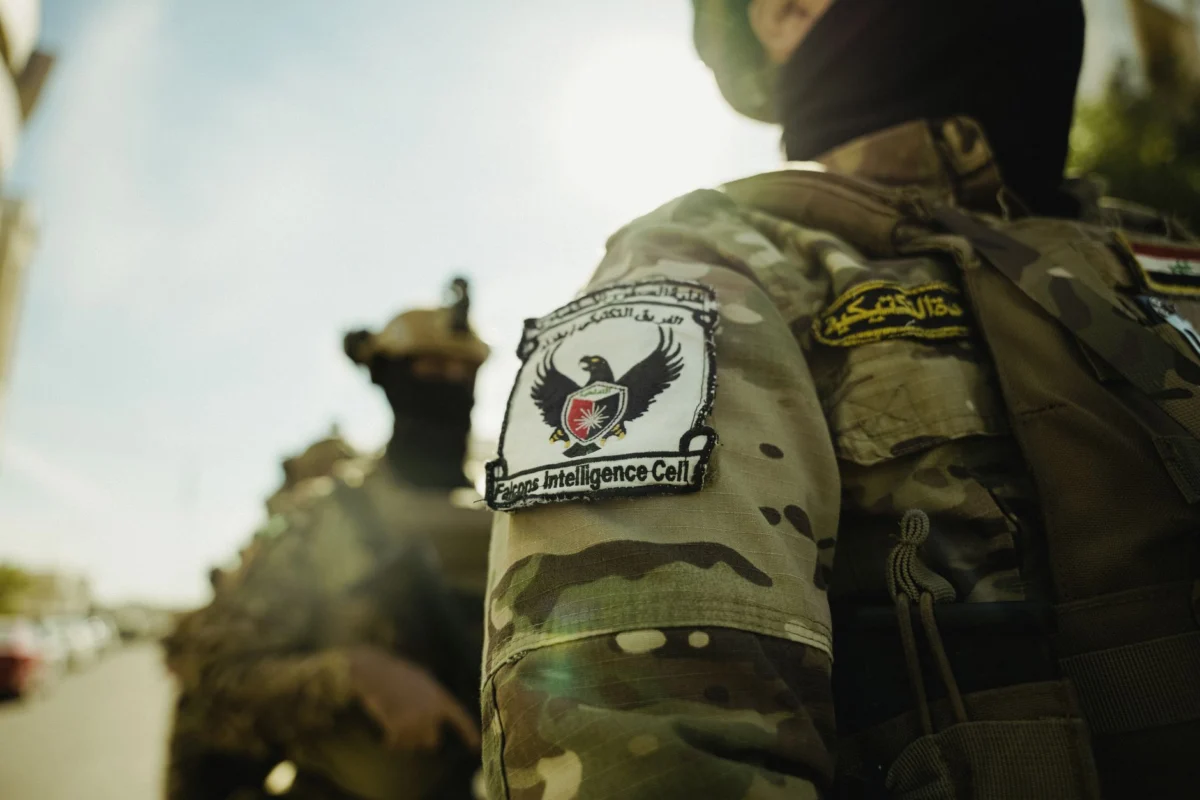
US forces have completed their withdrawal from Iraq, a move that analysts say may embolden Iran-backed militias and Islamic State remnants within the country. The departure follows years of declining American troop presence and ongoing political tension over the future of foreign military involvement. While the United States has not officially commented on a full pullback, satellite imagery and local reports indicate reduced activity at key bases used by American personnel.
Observers warn that the vacuum left behind could shift regional power dynamics, allowing Iranian proxies to expand operational reach while also creating space for ISIS to regroup. These developments come amid broader instability across the Middle East, where sectarian divisions remain deeply entrenched.
Key Facts
- US forces have exited Iraq, according to reports.
- Their departure is said to embolden Iran’s regional proxies.
- Islamic State activity may increase following the withdrawal.
- The situation reflects growing influence of non-state actors in the region.
What Happens Next?
With US forces gone, attention turns to how Iraq’s government will manage security independently. Iranian-backed Popular Mobilization Forces (PMF) already operate widely and may deepen their footprint now that American pressure is reduced. Meanwhile, extremist groups like ISIS often exploit chaos — especially in ungoverned areas between formal state control.
The drawdown also affects neighboring countries watching closely, including Syria, Turkey, and Gulf states. Each faces its own risks tied to shifting alliances and cross-border militant networks. Diplomatic channels are expected to respond cautiously, given the sensitivity of both troop movements and proxy conflicts.
Who Is Affected?
Iraqi citizens bear the immediate consequences of this transition. Decades of war, sanctions, and insurgencies have weakened infrastructure and institutions. A return of either Iranian-backed groups or ISIS would threaten civilian safety and hinder reconstruction efforts.
Regional powers are equally impacted. Saudi Arabia sees Iranian expansionism as a direct threat; Israel views any strengthened presence of hostile proxies as dangerous. Even European nations involved in humanitarian aid worry about renewed instability affecting refugee flows and counterterrorism cooperation.
How Did We Get Here?
The roots trace back to the 2003 invasion and continued US engagement through training missions and advisory roles. Over time, public opinion in both Iraq and America shifted toward ending direct involvement, citing cost and limited gains. Political deadlock in Baghdad prevented clear agreements on long-term access for coalition troops.
Iranian influence grew during intervals when Western attention waned. Backed by ideological ties and financial support, Shia militias gained legitimacy alongside official armed forces. Now, with fewer external checks, those actors are positioned to assert greater autonomy — potentially altering the balance once more.
What We Know — and What We Don’t
Verified by the source:
- Reuters reporting indicates US forces have exited Iraq.
- Reports link the withdrawal to strengthening of Iran’s proxies.
- The Islamic State is mentioned as possibly being emboldened.
Still unconfirmed:
- Precise timeline and scale of the US withdrawal.
- Official statements from US Central Command or Iraqi government.
- Measurable impact on ground security or terror resurgence.
- Extent of Iranian coordination versus independent actions by proxies.
Why It Matters
The stability of Iraq remains critical not only for locals but for global efforts combating terrorism and managing energy markets. Any resurgence of extremism threatens hard-won gains made over two decades of conflict. Moreover, increasing Iranian leverage challenges diplomatic attempts aimed at containing its nuclear program and regional ambitions.
The situation also underscores the complexity of modern asymmetric warfare, where state actors must weigh strategic withdrawals against unintended outcomes.
What To Watch
Monitor statements from Baghdad and Washington regarding future deployments, and look for signs of escalated attacks or territorial claims by either ISIS or Iran-aligned factions. Independent verification via intelligence disclosures or UN assessments will help clarify whether current trends hold steady or reverse course.