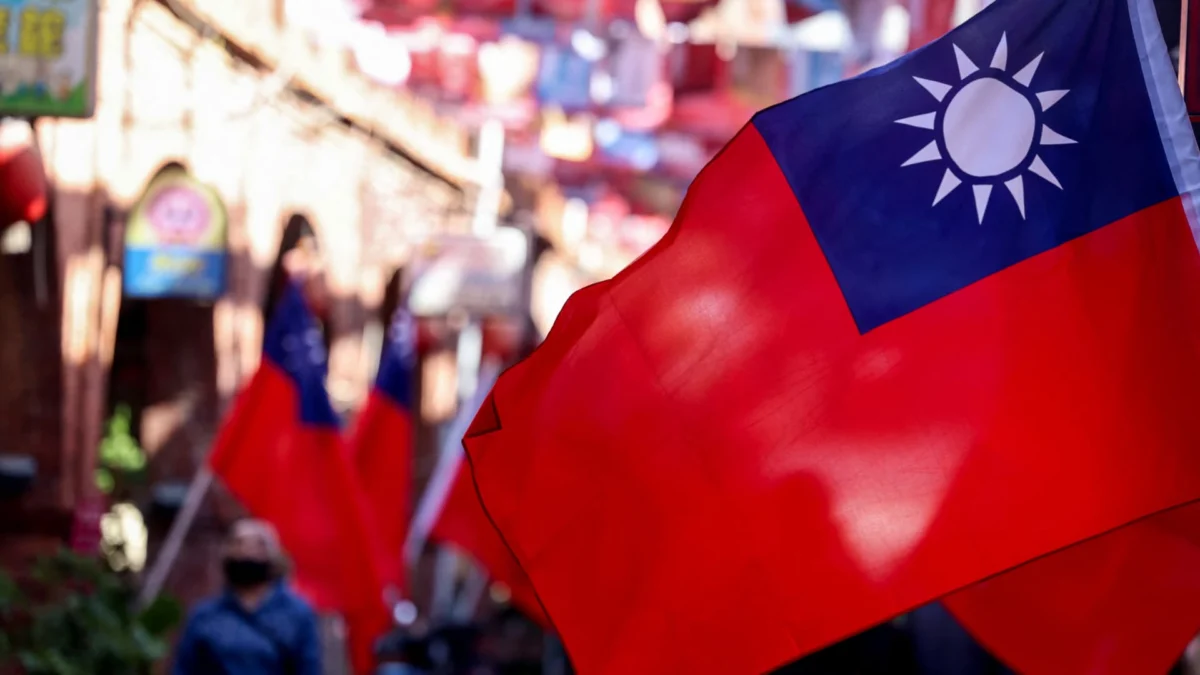
A US envoy has warned that investors are overpricing Taiwan conflict risk, suggesting that financial markets may be reacting more aggressively than warranted to tensions across the Taiwan Strait. This view aligns with broader efforts by US officials to highlight deterrent measures aimed at discouraging escalation.
The diplomat emphasized that downplaying perceived risk could help stabilize investor sentiment, though analysts note that actual military or diplomatic developments remain fluid. The statement came amid ongoing discussions about cross-strait relations and their impact on global markets, particularly in technology and trade sectors tied to the region.
Key Facts
- A US envoy said investors are overpricing Taiwan conflict risk.
- Investors are overestimating the risk of conflict across the Taiwan Strait.
- The envoy highlighted deterrence as a way to keep Beijing from taking the island.
- The remarks were reported by US Top News and Analysis.
What Did the Envoy Say About Market Fears?
The envoy’s comments reflect growing concern among policymakers about how financial markets respond to geopolitical uncertainty involving Taiwan. Some analysts argue that excessive risk pricing can distort asset valuations and increase volatility without reflecting real-time developments. By countering prevailing narratives, officials hope to temper speculative behavior and support long-term economic stability. However, others caution that public reassurances might also embolden actors who benefit from ambiguity around Taiwan’s status.
How Does This Fit Into Broader US Strategy?
The emphasis on deterrence reflects a long-standing US policy framework intended to maintain the regional balance of power. Washington has historically avoided taking an official stance on Taiwan’s sovereignty while maintaining unofficial ties and defense commitments under the Taiwan Relations Act. Critics sometimes question whether such messaging sufficiently addresses rising Chinese assertiveness. Meanwhile, supporters argue that clear communication helps prevent misunderstandings that could lead to accidental confrontations.
What We Know — and What We Don’t
Verified by the source:
- A US envoy claimed investors are overpricing Taiwan conflict risk.
- The envoy linked deterrence to preventing Beijing from taking the island.
- The summary was published by US Top News and Analysis.
Still unconfirmed:
- No specific name or exact title of the diplomat was given.
- There is no direct quote attributed to the individual in the provided material.
- Additional context like timing or audience of the remarks remains unclear.
Why It Matters
Given Taiwan’s central role in global supply chains, especially semiconductors, shifts in perception about Taiwan conflict risk can reverberate through international markets. Investors closely monitor diplomatic signals because they influence everything from currency flows to defense spending decisions. While reassurance may calm nerves temporarily, sustained peace depends ultimately on concrete actions rather than rhetoric alone.
This story touches on issues relevant to readers following developments in economy and markets and geopolitical tensions.
What To Watch
Market participants will likely await further statements from US or Taiwanese officials for clarification on strategic intentions moving forward.