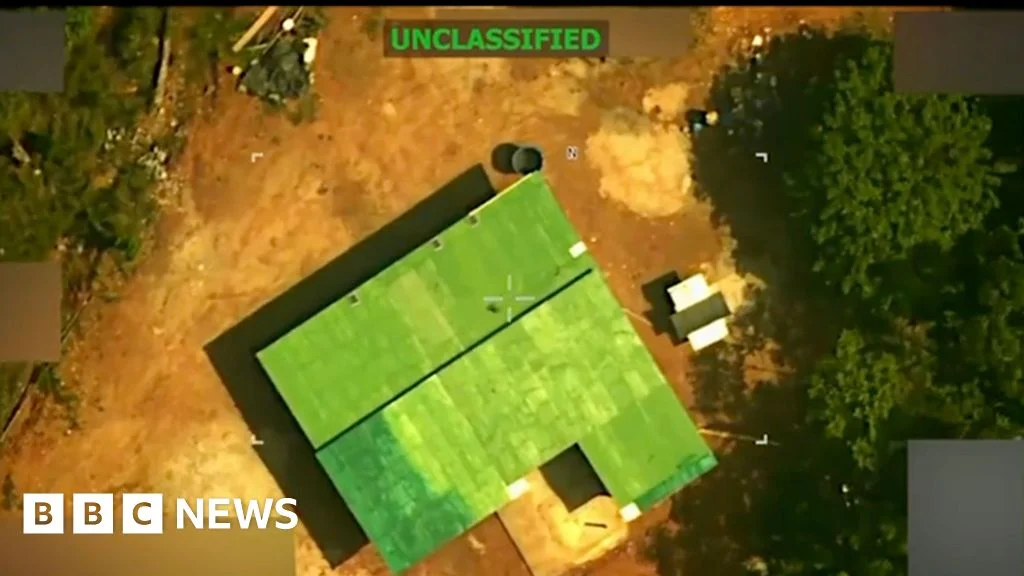
A US drone strike in western Venezuela on Wednesday night snapped the head of the Tren de Aragua gang, an organization linked to more than 200 murders in the past decade.
President Donald Trump announced the kill in a terse post on his social‑media platform, writing: “Niño Guerrero was eliminated in a swift and lethal kinetic strike.”
Guerrero, 33, was the gang’s chief strategist and allegedly coordinated shipments of cocaine to the United States worth an estimated $1.2 billion annually.
What happened and why it matters
The strike hit a compound near the town of San Cristóbal, according to the United States Department of Defense, which declined to release the exact coordinates. Unmanned aircraft fired a single precision missile, a “kinetic” weapon that relies on speed rather than explosives.
Local sources say the building was empty at the time, avoiding civilian casualties. The operation marks the first overt US‑military action inside Venezuela since the 2019 sanctions escalations.
Why does this matter?
Tren de Aragua controls key smuggling corridors across the Andes, funneling narcotics, weapons, and illegal mining profits. Neutralising its leader could destabilise the network, but it also risks a power vacuum that rival cartels may fill.
For Americans, the strike is a direct response to a spike in heroin and fentanyl overdoses traced back to Venezuelan routes. The Biden administration has warned that drug‑related deaths cost the US economy roughly $100 billion each year.
Critics argue the strike bypasses international law and could provoke retaliation from Venezuela’s ally, Russia, which has stationed advisors in Caracas.
Who is affected?
Communities along the Colombia‑Venezuela border, already plagued by violence, may see an influx of competing gangs. Law‑enforcement agencies in the United States, Colombia, and Brazil are monitoring the fallout closely.
Human‑rights groups, meanwhile, call for transparent investigations into any collateral damage, fearing a repeat of past air‑strike incidents that left civilians injured.
In an interview on a national news program, a senior analyst from the war‑geopolitics desk said, “The strike sends a clear message that Washington will act unilaterally when it perceives a direct threat to its citizens.”
What happens next?
Venezuelan officials have yet to comment, but diplomats anticipate a formal protest at the United Nations. The United States is expected to release a detailed after‑action report within the next 48 hours.
As the power dynamics among Caracas, Washington, and regional drug cartels shift, the next weeks will reveal whether the US drone strike curbs the flow of narcotics or merely reshuffles the criminal deck.
Stay tuned as we follow the diplomatic fallout and the ground reality for communities caught in the crossfire.