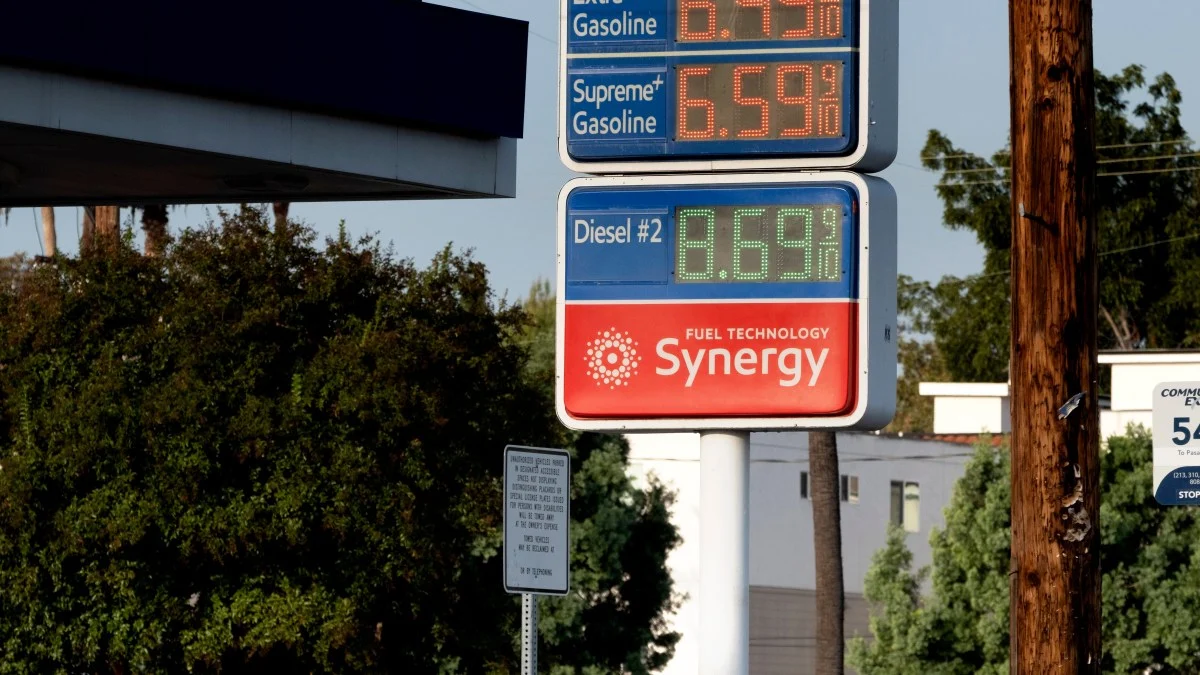
A diesel export ban by the United States could push fuel prices higher for consumers and businesses at home and abroad, according to energy experts cited by Al Jazeera. The warning highlights how restricting diesel shipments abroad might tighten global supply chains and affect markets far beyond U.S. borders.
Experts are raising concern because diesel plays a central role in transportation and industrial activity across economies. Limiting exports could reduce available inventory overseas while simultaneously boosting domestic demand, creating upward pressure on already sensitive energy markets.
Key Facts
- A U.S. diesel export ban may raise domestic and international fuel costs, energy experts warn.
- Experts say such a restriction could increase pressure on global supply chains.
- The impact would extend beyond U.S. borders, affecting overseas consumers and industries.
The Story
What happens next?
If the United States moves to restrict diesel exports, refiners would likely face changes in how they allocate product. Domestic buyers would gain priority access, potentially leaving less available for foreign markets that rely on steady imports.
This shift could ripple through global trade routes where U.S.-produced diesel currently supports demand in Europe, Latin America, and Asia. Those regions might turn to alternative producers, increasing freight costs and pushing prices up even further.
For American drivers and truckers, short-term savings could appear at the pump. However, longer-term effects may emerge as refiners adjust capacity and investment strategies, which sometimes leads to reduced output and price volatility down the road.
How did we get here?
U.S. energy policy has shifted several times over recent decades regarding export controls. Past restrictions were lifted during periods aimed at supporting domestic industry growth and stabilizing global prices.
Now, renewed debate reflects evolving priorities around energy security and economic stability. With geopolitical uncertainty affecting crude oil flows, policymakers weigh national interests against potential trade disruption risks tied to limiting key fuel exports like diesel.
The discussion also comes amid broader considerations about refining capacity, environmental regulations, and infrastructure readiness within the sector. These factors influence whether a diesel export ban becomes feasible and effective under current conditions.
What We Know — and What We Don’t
Verified by the source:
- Energy experts warn a diesel export ban could increase fuel costs domestically and internationally.
- The summary suggests global supply chains may experience added strain from such action.
Still unconfirmed:
- No official proposal or timeline for implementing a diesel export ban has been stated.
- Specific estimated cost increases or affected countries remain unspecified.
- Whether President Biden or Congress plans to act on this issue remains unclear.
Why It Matters
Any change in U.S. energy export rules affects millions who depend on affordable transport fuels—not only commuters but also farmers, freight firms, and manufacturers whose operations hinge on predictable fuel costs. In an era marked by inflation concerns and shifting energy policies, signals from Washington carry weight globally.
Moreover, disruptions in one major supplier’s output often reverberate quickly across interlinked markets. Understanding these dynamics helps readers anticipate impacts on daily life and long-term investment decisions.
What To Watch
Watch for announcements from the Department of Energy or White House about any formal steps toward restricting diesel exports. Market reactions, including shifts in futures trading and refinery margins, will offer early clues about expected consequences.