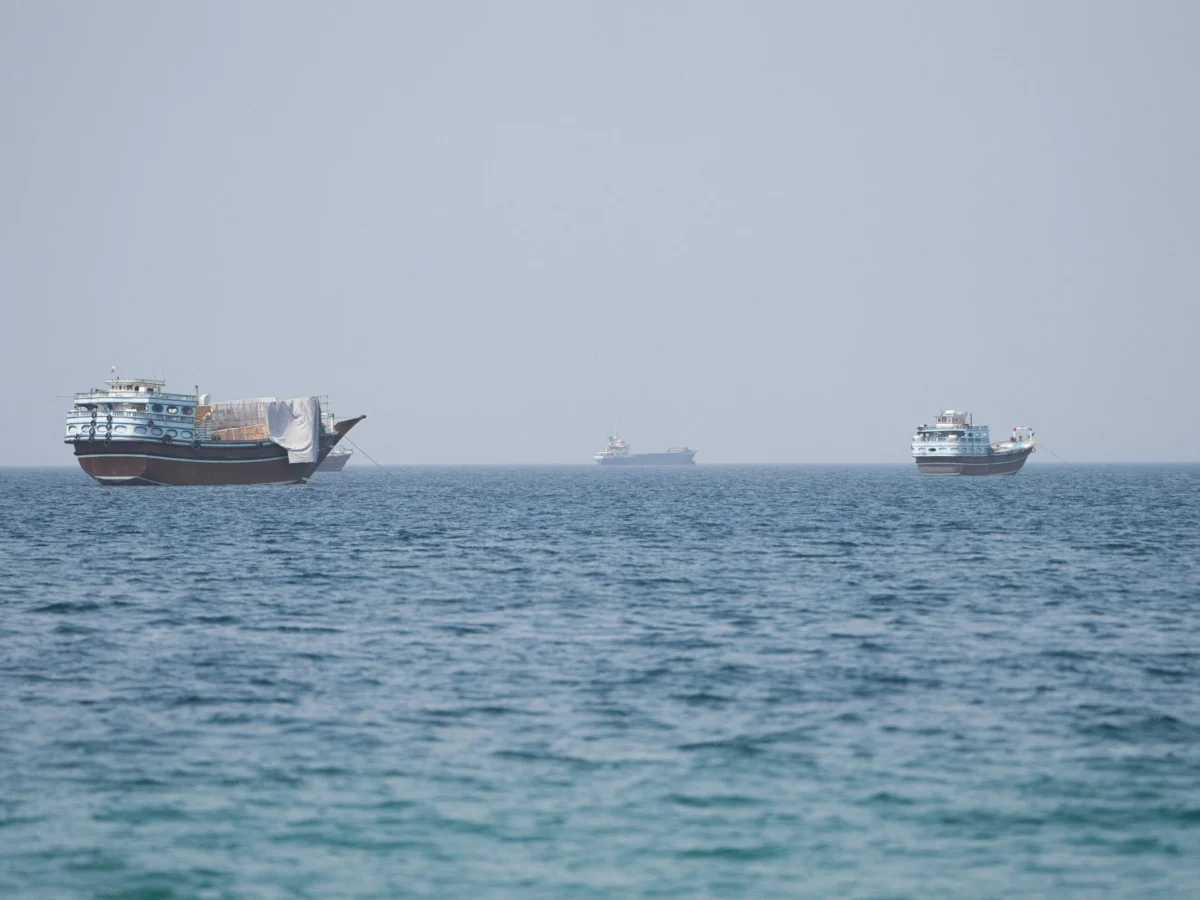
The United States is considering maintaining its naval blockade against Iran indefinitely, according to US Defense Secretary Pete Hegseth. The move signals a potential long-term strategy amid ongoing tensions between Washington and Tehran.
The blockade, which restricts Iran’s maritime activities, represents a significant escalation in the geopolitical standoff between the two nations. Hegseth’s comments suggest the US is prepared to sustain this measure for an extended period, though specific operational details remain unclear.
KEY FACTS
- US Defense Secretary Pete Hegseth stated the US can sustain its naval blockade against Iran indefinitely
- The blockade targets Iran’s maritime activities in the region
- The announcement comes amid heightened tensions between the US and Iran
What does the blockade mean for regional stability?
A prolonged naval blockade could significantly impact regional stability and international shipping routes in the Persian Gulf. Such measures typically involve intercepting vessels suspected of carrying prohibited goods, which may lead to confrontations with Iranian forces.
The Strait of Hormuz, through which about 20% of the world’s oil passes, remains a potential flashpoint. While the current blockade focuses on military objectives, extended enforcement could affect commercial shipping and global energy markets.
How did we get here?
Tensions between the US and Iran have simmered for decades, escalating in recent years over Iran’s nuclear program and regional influence. The naval blockade represents the latest in a series of measures taken by successive US administrations to pressure Tehran.
Naval blockades have historically been used as tools of economic and military coercion, though their long-term effectiveness remains debated among foreign policy experts. The legality of such actions under international law often depends on specific circumstances and justifications.
WHAT WE KNOW — AND WHAT WE DON’T
Verified by the source:
- The US has implemented a naval blockade against Iran
- Defense Secretary Pete Hegseth stated it could be sustained indefinitely
Still unconfirmed:
- The precise geographic scope of the blockade
- Whether other nations are supporting or participating in the operation
- Iran’s specific response to the extended blockade threat
WHY IT MATTERS
The prospect of an indefinite naval blockade raises significant questions about regional security and global trade. Such prolonged measures could escalate tensions further, potentially drawing in other regional actors and affecting international relations beyond the immediate US-Iran confrontation.
WHAT TO WATCH
Observers will monitor Iran’s response to the blockade announcement and whether other nations publicly support or oppose the US position. The situation remains fluid, with potential for either diplomatic breakthroughs or further military escalation.