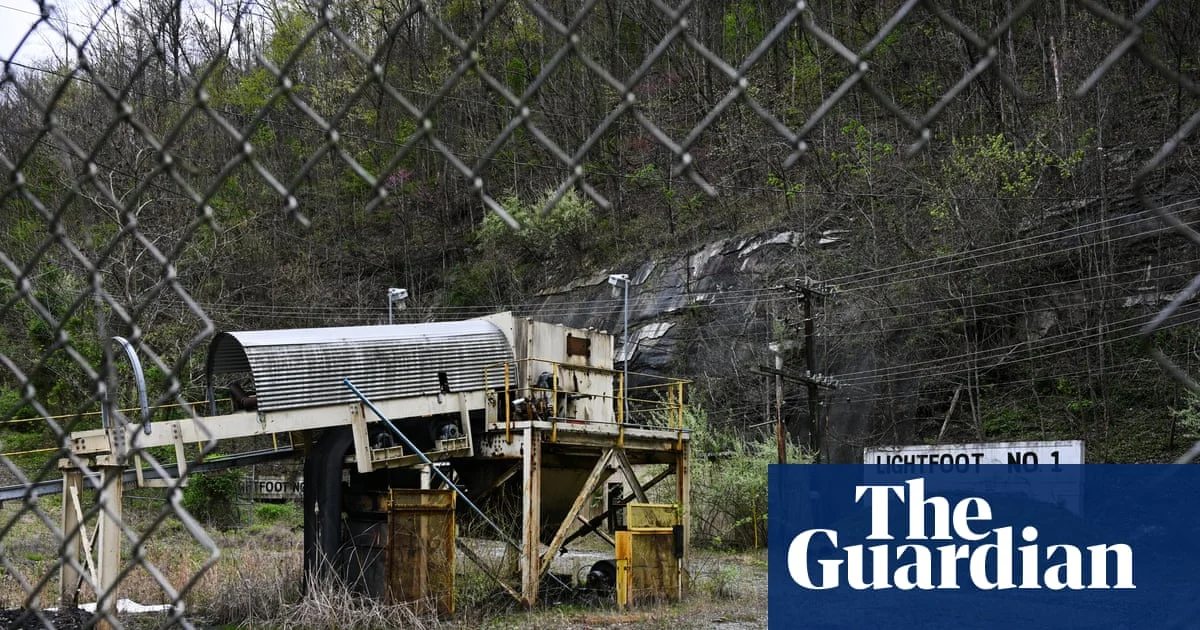
Black-lung disease cases among US coal miners have reached a 50-year high, even as affected workers face long delays in securing black lung benefits. A 74-year-old retired miner from Grundy, Virginia, was diagnosed with coal workers’ pneumoconiosis after 38 years underground, highlighting the gap between rising illness and faltering support systems. The surge underscores mounting pressure on benefit programs that many sick miners depend on after leaving the industry.
KEY FACTS
- Rising illness: 50-year high in diagnosed coal workers’ pneumoconiosis cases.
- Worker profile: A 38-year veteran coal miner received a diagnosis after retirement.
- Location: The miner is from Grundy, Virginia.
- Disease definition: Coal workers’ pneumoconiosis is caused by prolonged exposure to coal dust and irreversibly damages the lungs.
- Benefit issue: Sick miners are experiencing delays in accessing black lung benefits.
The Story
What happens next?
The ongoing rise in coal workers’ pneumoconiosis cases raises urgent questions about whether benefit systems can keep pace with demand. Retired miners like the 74-year-old from Grundy continue to seek medical care and financial support, while advocacy groups call attention to prolonged processing times. Without intervention, delays may deepen financial strain on an aging workforce already burdened by chronic illness. Policymakers are under scrutiny for how they address both health outcomes and administrative backlogs.
Who is affected?
Coal miners with long-term exposure to coal dust are the primary group impacted by this resurgence of black lung disease. Many are retirees who spent decades underground in states such as West Virginia and Virginia. These individuals often face irreversible lung damage, reduced mobility, and mounting medical costs. The benefit delays compound their hardship, particularly for those without alternative sources of income or comprehensive health coverage. Advocates warn that younger active miners may also face elevated risks if workplace safety measures remain inadequate.
How did we get here?
The increase in coal workers’ pneumoconiosis reflects a combination of historical exposure patterns and evolving regulatory oversight. Decades of mining activity left many workers vulnerable to lung disease, with symptoms sometimes appearing years after retirement. While safety standards have improved over time, recent data suggests that current rates mirror those seen half a century ago. Concurrently, the federal black lung benefits system has struggled with staffing shortages and complex claims processes, contributing to the backlog affecting sick miners today.
What We Know — and What We Don’
Verified by the source:
- Black-lung disease cases are at a 50-year high.
- ️ A retired miner with 38 years of experience was diagnosed post-retirement.
- ️ The affected individual resides in Grundy, Virginia.
- ️ Coal workers’ pneumoconiosis results from prolonged coal dust inhalation and causes permanent lung damage.
- ️ Benefit delays are occurring for sick miners seeking compensation.
Still unconfirmed:
- Total number of recent black-lung diagnoses nationwide.
- Causes behind the current surge in cases.
- Specific policy changes or funding levels affecting the benefits program.
- Identity or official role of any government representative involved.
Why It Matters
This story highlights the human cost of industrial labor and the critical role of social safety nets in protecting vulnerable workers. As the US continues to rely on legacy industries, the intersection of occupational health and benefits access remains a pressing concern for communities built around coal mining.
What To Watch
Advocacy groups say additional policy action could emerge if benefit delays persist, though no formal legislative timeline has been announced.
Meta description: Black-lung disease cases among US coal miners have hit a 50-year high, while sick retirees struggle to obtain timely benefits.