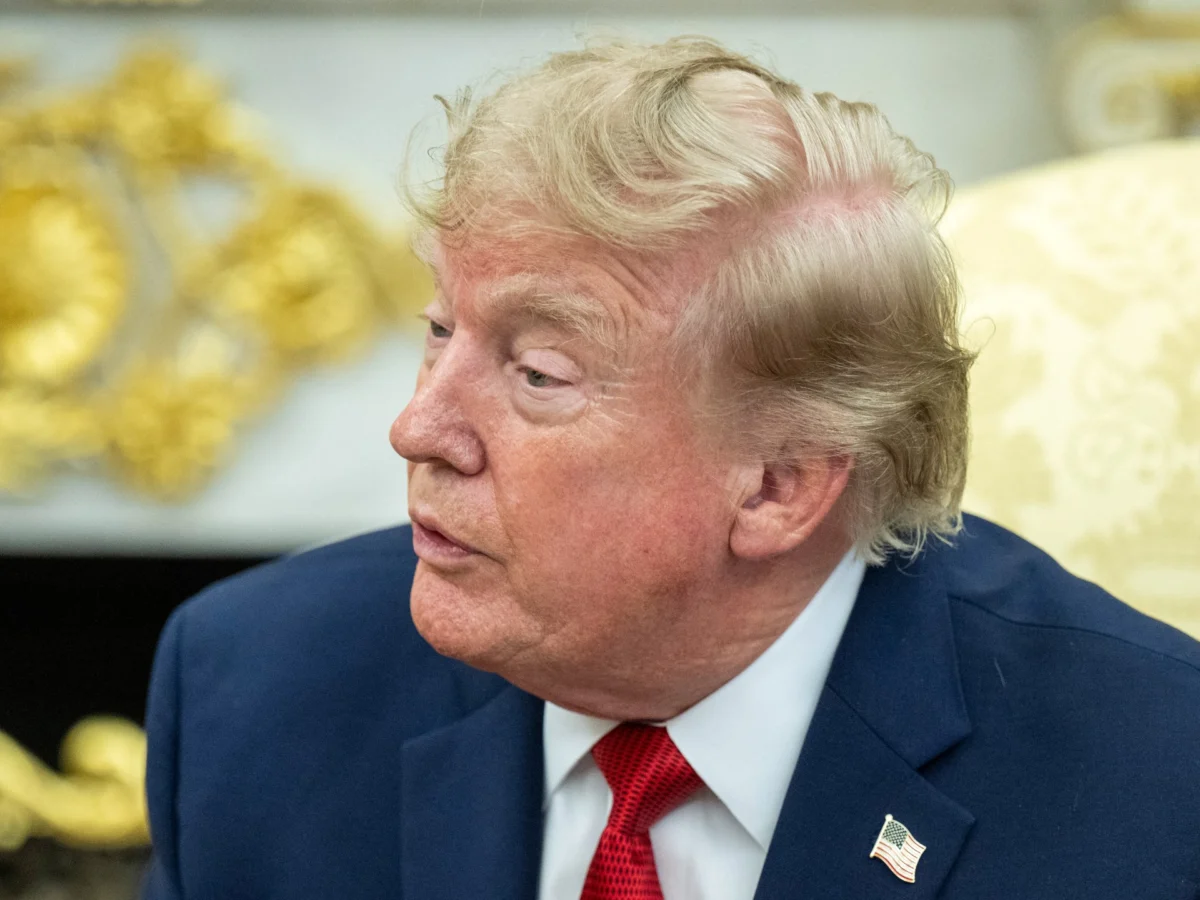
US forces have reportedly taken control of the strategically critical Strait of Hormuz following the expiration of a memorandum of understanding (MoU) with Iran. According to Al Jazeera, former US President Donald Trump rejected extending the agreement, stating Iran should ‘put up the white flag of surrender.’ The development marks a significant escalation in US-Iran relations, with global energy markets likely to be impacted by the strategic waterway’s new status.
KEY FACTS
- The US has claimed control of the Strait of Hormuz following the expiration of a bilateral MoU with Iran.
- Former US President Donald Trump rejected extending the agreement, which expired on Monday.
- Trump stated Iran should ‘put up the white flag of surrender,’ according to Al Jazeera.
Why Is the Strait of Hormuz Significant?
The Strait of Hormuz is one of the world’s most critical maritime chokepoints, through which approximately 20% of global oil shipments pass. Control over this narrow waterway between the Persian Gulf and the Gulf of Oman has been a persistent flashpoint in US-Iran relations. The reported US move to assert control follows years of tensions including Iranian seizures of commercial vessels and US sanctions on Iranian oil exports.
What Does the Expired MoU Entail?
The memorandum of understanding between the US and Iran appears to have governed military activities near the Strait of Hormuz, though its exact terms remain unspecified in available reporting. Such agreements typically aim to prevent accidental military confrontations between rival powers operating in close proximity. The expiration without renewal suggests a breakdown in whatever limited coordination previously existed between the nations’ forces in this sensitive region.
WHAT WE KNOW — AND WHAT WE DON’T
Verified by the source:
- The US has claimed control of the Strait of Hormuz
- The US-Iran MoU expired on Monday
- Former President Trump rejected extending the agreement
Still unconfirmed:
- The specific terms of the expired MoU
- Current Iranian military positioning in the strait
- International reactions to the US claim
WHY IT MATTERS
Control over the Strait of Hormuz directly impacts global energy security and shipping routes, with potential consequences for oil prices worldwide. The US assertion of control represents a significant escalation in tensions with Iran that could lead to military confrontations or disruptions to vital trade routes. The situation warrants close monitoring by governments and energy markets globally.
WHAT TO WATCH
Key developments to monitor include official Iranian responses to the US claim and whether commercial shipping patterns through the strait change in response to the new situation. Further coverage may clarify the military and diplomatic ramifications of this escalation.