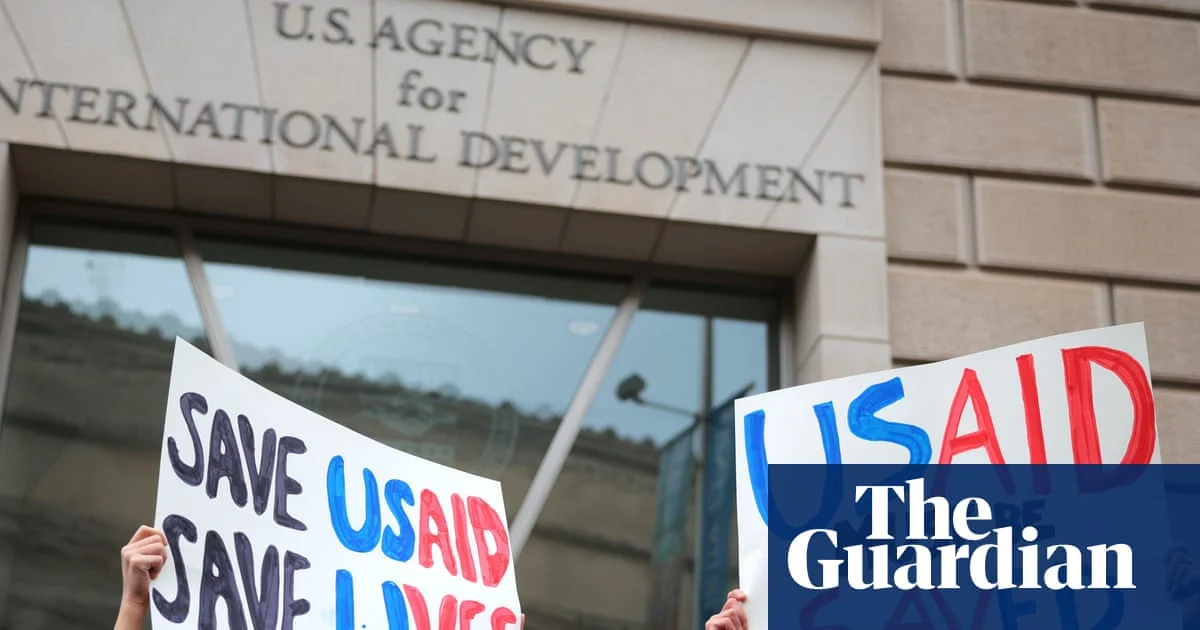
Healthcare across Africa and the Global South faces growing strain following the United States’ withdrawal from key aid programs, a new report warns. The report highlights that the Trump administration’s cuts to programs such as the US Agency for International Development (USAID), along with the ongoing impacts of the Covid-19 pandemic and rising global costs of living, have created new urgency for healthcare reform in the region. According to The Guardian, these combined pressures have disrupted long-standing health initiatives and raised concerns about long-term sustainability.
KEY FACTS
• A new report warns healthcare in Africa and the Global South is under growing strain.
• The US withdrew from key aid programs, including initiatives.
• cuts and pandemic fallout intensified pressure on regional health systems.
• Rising global cost of living has added new urgency to healthcare reform needs.
How Did We Get Here?
For decades, the United States has played a central role in supporting healthcare infrastructure across Africa and other parts of the Global South through agencies like . These programs have funded everything from vaccination campaigns to maternal health services and disease prevention efforts. However, the report notes that funding reductions initiated during the Trump administration disrupted many of these critical initiatives, leaving gaps in coverage and weakening institutional capacity.
The withdrawal of US support has forced affected nations to reconsider their reliance on external aid. Countries in the region, alongside partners in the Global South, are being urged to take greater control over their own health development strategies. This shift could lead to more locally driven solutions, but it also raises immediate concerns about whether domestic resources are sufficient to fill the void left behind.
Who Is Affected?
Entire populations in low-income nations are feeling the impact, particularly vulnerable communities that depend heavily on international health assistance. From rural clinics struggling to maintain supply chains to urban centers overwhelmed by post-pandemic demand surges, the ripple effects of aid withdrawal continue to unfold. The report emphasizes that without coordinated action, fragile health systems risk further deterioration.
WHAT WE KNOW — AND WHAT WE DON’T
Verified by the source:
• A report exists stating US aid withdrawal strained healthcare in Africa and the Global South.
• The Trump administration reduced funding to and related programs.
• The Covid-19 pandemic and rising living costs contributed to the strain described in the report.
Still unconfirmed:
• Specific timelines or exact dollar amounts tied to aid cuts were not provided.
• No individual authors or institutions behind the Accra Reset report were named.
• Details on which countries experienced the most severe disruptions remain unclear.
• Whether future US administrations will restore withdrawn aid programs is unknown.
WHY IT MATTERS
The weakening of healthcare infrastructure in developing regions not only threatens local populations but also poses broader risks in an interconnected world where disease outbreaks can spread rapidly. As global leaders grapple with balancing domestic priorities against international obligations, the report underscores the importance of resilient, self-reliant health systems capable of responding to crises independently.
WHAT TO WATCH
It remains to be seen whether any incoming government will reinstate suspended aid levels or whether recipient nations will successfully implement alternative financing models. Continued monitoring of health outcomes in affected areas may provide early indicators of how well current recovery plans are working.
The Meta Description: A new report warns that the US withdrawal from key aid programs has put healthcare in Africa and the Global South under growing strain, raising urgent questions about future preparedness. For more updates on global health issues, explore our health science and geopolitical developments.