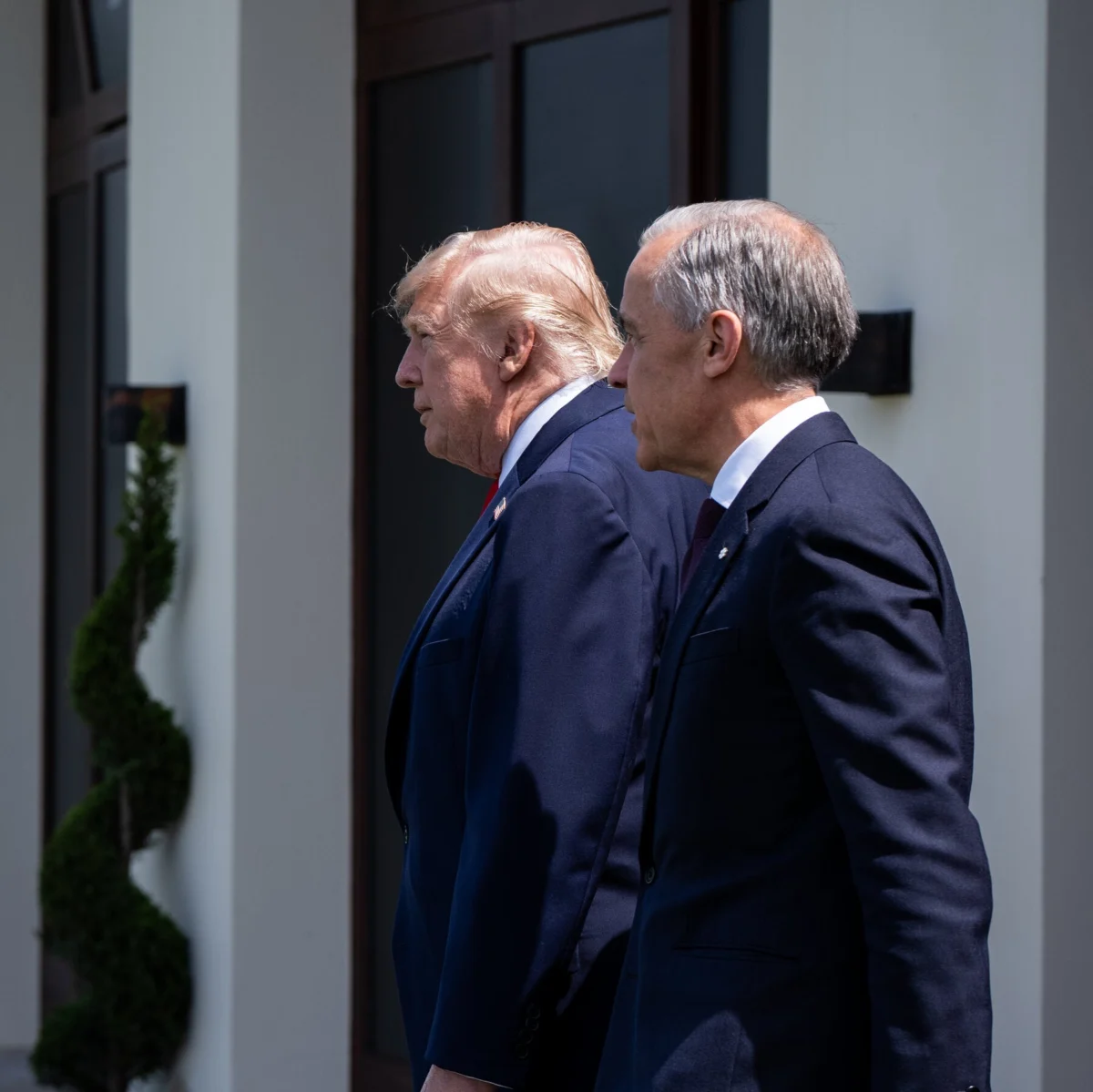
The Trump administration has publicly accused Canadian officials of attempting to sway the outcome of the upcoming US midterm elections in favor of Democratic candidates. In response, Canadian Prime Minister Mark Carney has dismissed the allegation as having no merit. The dispute has added fresh tension to already strained relations between the two longtime allies.
This accusation comes amid a broader pattern of rhetoric from the administration targeting foreign influence in domestic politics. While no specific evidence has been presented publicly, the claim itself has drawn attention given Canada’s historically close ties to the United States. Prime Minister Carney’s rebuttal underscores a diplomatic pushback against what he describes as baseless accusations. The situation remains fluid, with both sides maintaining firm stances.
KEY FACTS
- The Trump administration accuses Canadian officials of trying to influence the midterm elections for Democrats.
- Prime Minister Mark Carney says the claims have “no merit.”
- The source of the accusation and its supporting evidence have not been independently verified.
- The conflict centers on allegations of election interference involving Canada and the United States.
- Relations between the two nations have experienced strain over recent political discourse.
The Allegation
According to reporting by NYT > World News, unnamed Canadian officials are alleged to have taken steps aimed at influencing voter sentiment in favor of Democratic contenders during the midterm elections. These actions, if substantiated, would represent a significant breach of norms governing international conduct in democratic processes. However, no concrete details about the methods used or the identities of those involved have been disclosed. Prime Minister Mark Carney responded swiftly, labeling the charges as lacking merit. His statement reflects a broader Canadian stance rejecting any notion of electoral meddling. Analysts note that such claims often emerge in politically charged climates where trust between nations is fragile.
How Did We Get Here?
The escalating rhetoric follows a period of increasing tension between Washington and Ottawa over trade disputes, border security concerns, and differing approaches to regional conflicts. Tensions escalated when senior US officials began suggesting that foreign actors were actively working to shape the electoral landscape. While previous administrations rarely made such broad assertions without evidence, this episode signals a new tone in transatlantic diplomacy. The lack of detailed proof has raised questions among experts about whether the accusations serve domestic political purposes rather than national security interests. For now, the focus remains on how the situation unfolds and whether further clarity emerges.
What We Know — and What We Don’t
Verified by the source:
- Canada is facing formal accusations from the Trump administration regarding election interference.
- The claims are centered on attempts to sway midterm election outcomes toward Democrats.
- Canadian leadership denies any wrongdoing through an official statement.
Still unconfirmed:
- No evidence detailing how the alleged interference occurred has been shared publicly.
- Names of implicated Canadian officials remain undisclosed.
- Timeline of events leading to the accusation is unclear.
- Extent of internal US government agreement with these accusations is unknown.
Why It Matters
Election integrity is foundational to democratic governance, and unfounded accusations can erode public confidence across institutions. When major democracies publicly dispute one another over such sensitive matters, it highlights the fragility of international alliances even under long-standing partnerships. Misinformation or premature claims risk destabilizing not only bilateral relations but also setting precedents for future cross-border incidents.
What To Watch
Further developments will depend on whether any verifiable evidence surfaces to support the claims made by the Trump administration. Meanwhile, diplomatic channels may continue engaging behind closed doors to deescalate tensions.