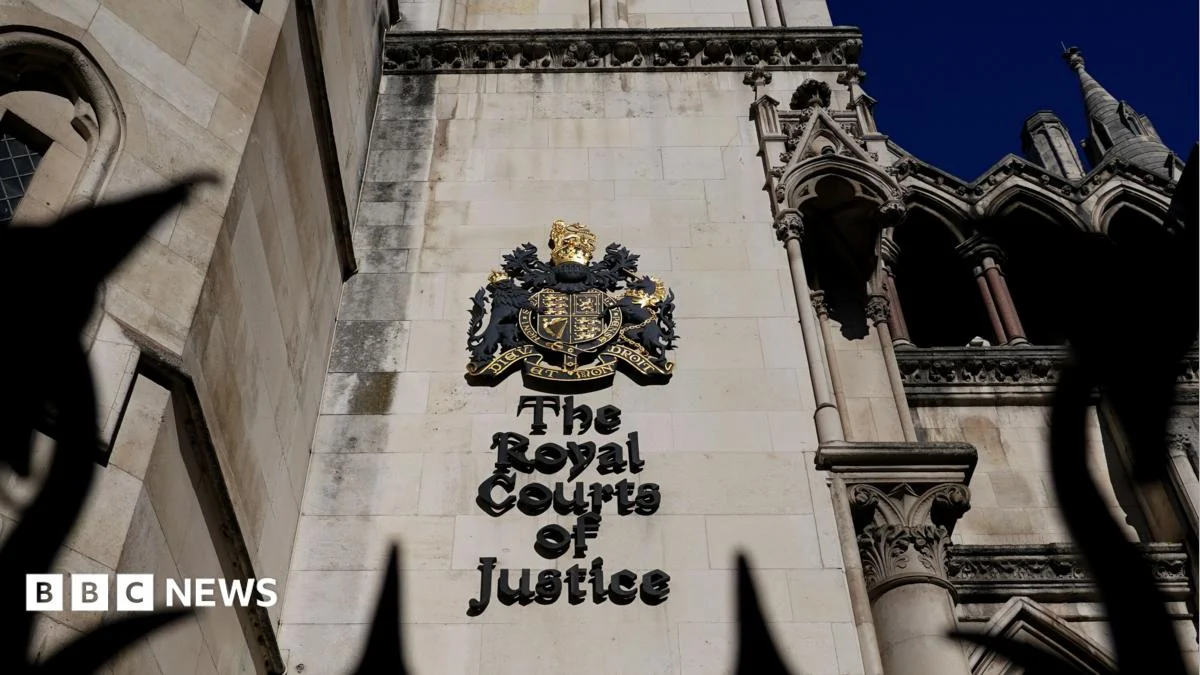
London, UK — An unnamed individual has asked London’s High Court to block the publication of what the court described as “serious allegations” related to sexual offences, according to BBC News. The request was made in a legal application seeking a court order to prevent the reporting of the matter. The BBC did not name the individual involved.
The High Court is considering whether to grant an injunction that would restrict the publication of the allegations. Such orders are rare and typically require the applicant to demonstrate a real risk of harm if the information were made public. The court has not yet ruled on the application, and no further details about the identity of the individual or the nature of the allegations have been disclosed publicly.
bsp;
KEY FACTS
- Unidentified individual filed legal challenge in London’s High Court.
- Request seeks court order to stop publication of “serious allegations”.
- Allegations reportedly relate to sexual offences.
- Application is ongoing; no ruling announced at this time.
- Source: BBC News.
What Happens Next?
The legal process will now move forward as the High Court reviews the evidence presented by the unnamed applicant. Injunction applications of this nature are evaluated based on several factors, including the strength of the case, the public interest in reporting, and whether publishing the allegations could cause irreparable harm. Courts must balance the right to privacy against the public’s right to know, especially when the subject involves criminal accusations. Legal experts note that successful injunctions in such cases are uncommon unless there is clear evidence of potential harm. The next procedural steps will likely involve hearings where both sides may present arguments. Media organizations could also become involved if they seek to challenge any proposed restrictions. The public and press will be watching closely for any decision that may set precedent for future cases involving sensitive allegations. A ruling, if issued, will determine whether the press can report on the details of the claims or remain bound by a court order.
bsp;
Who Is Affected and Why It Matters
This case touches on fundamental issues surrounding freedom of expression and the right to a fair hearing. While the identity of the individual remains undisclosed, the outcome of the application could have broader implications for how courts handle requests to restrict media coverage of sensitive legal matters. If the injunction is granted, it may reinforce arguments that privacy protections can outweigh public interest arguments in certain circumstances. Conversely, if the application is denied, it could affirm the principle that open justice prevails in cases involving serious allegations, even when individual anonymity is sought. The balance between protecting individuals and upholding transparency remains a longstanding challenge in democratic societies. Regardless of the result, the case highlights ongoing tensions in modern media law.
bsp;
What We Know — and What We Don’t
Verified by the source:
- An unnamed person applied to London’s High Court for an injunction.
- The request concerns “serious allegations” involving sexual offences.
- The court has not yet issued a decision.
- BBC News reported the existence of the application.
Still unconfirmed:
- The identity of the applicant remains unknown.
- The factual basis behind the allegations is not detailed.
- Legal grounds cited in the application are unspecified.
- No timeline for the court’s decision has been provided.
Why It Matters
Legal efforts to limit publication of sexual offence allegations touch on core democratic values around transparency, press freedom, and the administration of justice. How courts navigate these competing interests in this case may influence future precedents regarding media access to sensitive information and the use of injunctions in criminal proceedings.
What To Watch
A forthcoming decision from the High Court may clarify whether injunctions will be used to suppress reporting of criminal allegations and how such cases balance privacy versus public interest.