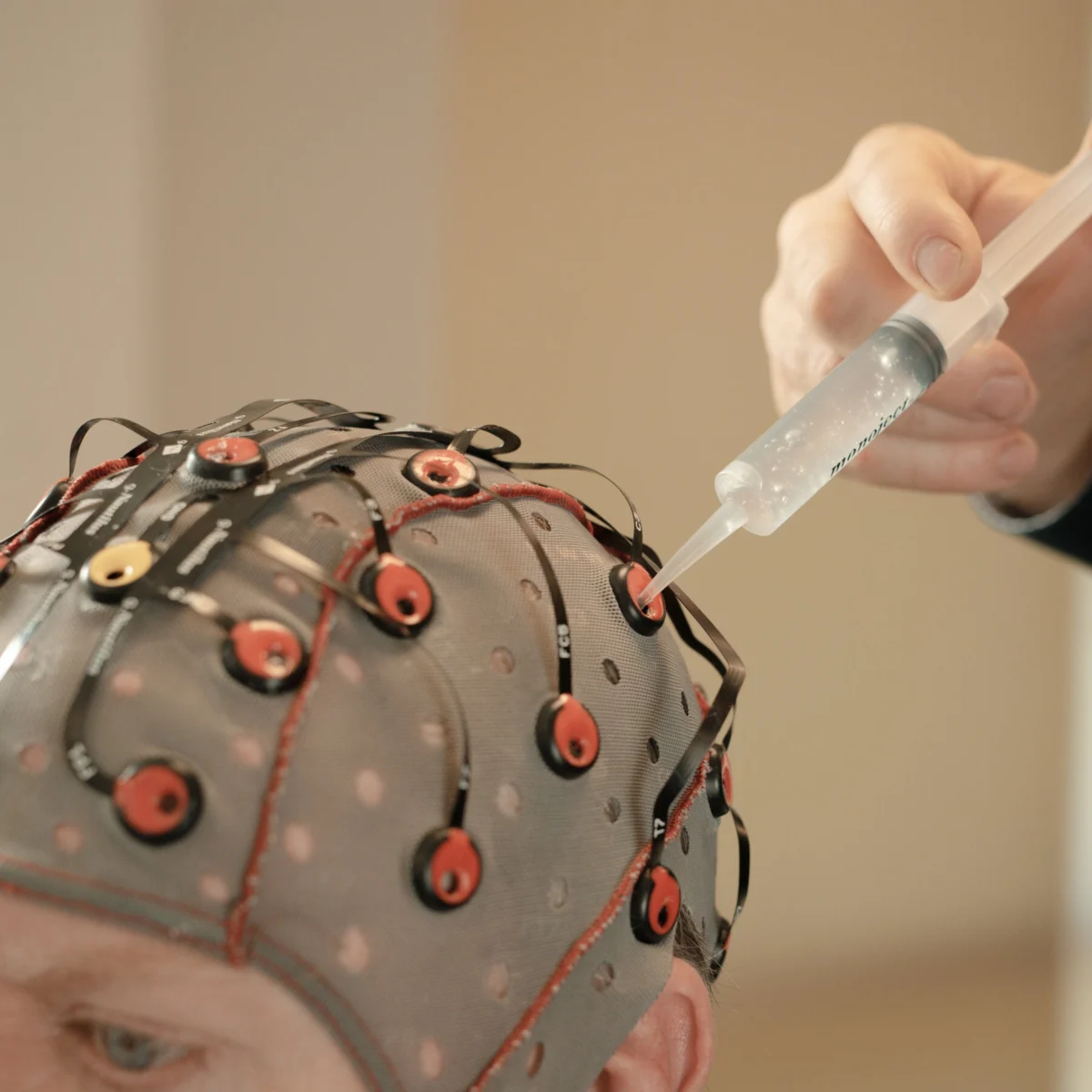
A report by the UN Secretary-General warns that new technologies could be used to access and criminalize people’s innermost thoughts, raising alarms over digital surveillance capabilities. The findings highlight growing concern about how AI-driven tools may erode privacy and civil liberties worldwide.
These technologies rely on advanced neural decoding methods capable of interpreting brain signals or behavioral patterns. While their stated purposes often include security or medical applications, critics fear misuse by authoritarian regimes or law enforcement agencies seeking preemptive control. What happens next remains uncertain as member states debate regulatory frameworks.
Key Facts
- UN Secretary-General issued a report warning about mind-reading tech
- Technologies could access citizens’ innermost thoughts
- Risks include criminalization based on private mental activity
Potential Impact on Civil Liberties
The UN alert reflects broader anxieties linked to rapid advancements in synthetic intelligence and biometric monitoring systems. These tools, while promising benefits like enhanced diagnostics or threat detection, pose serious ethical dilemmas when deployed without transparency or oversight. Privacy advocates warn that unchecked use may normalize coercive surveillance practices globally.
Who Is Affected
Governments developing these technologies, along with tech companies involved in their deployment, face increasing scrutiny. Citizens across democracies and autocracies alike are potentially at risk if such tools become integrated into judicial or administrative processes. Without clear safeguards, personal freedoms tied to cognitive autonomy hang in the balance. For related geopolitical implications, see our war-geopolitics section.
What We Know — and What We Don’t
Verified by the source:
- The UN Secretary-General released a report addressing privacy risks
- New technologies may enable reading individuals’ thoughts
- These capabilities could lead to criminalizing internal mental states
Still unconfirmed:
- Specific countries developing the technology
- No names of officials or quoted statements provided
- Lack of detail on timeline or implementation plans
Why It Matters
This issue touches core democratic values around freedom of expression and thought. As nations race to adopt AI-powered surveillance methods under the guise of safety, the boundary between protection and intrusion blurs. Explore more in our tech-ai coverage. A single source currently supports this narrative.
What To Watch
Future UN resolutions or public disclosures might clarify regulatory intentions regarding neurotechnological surveillance policies.