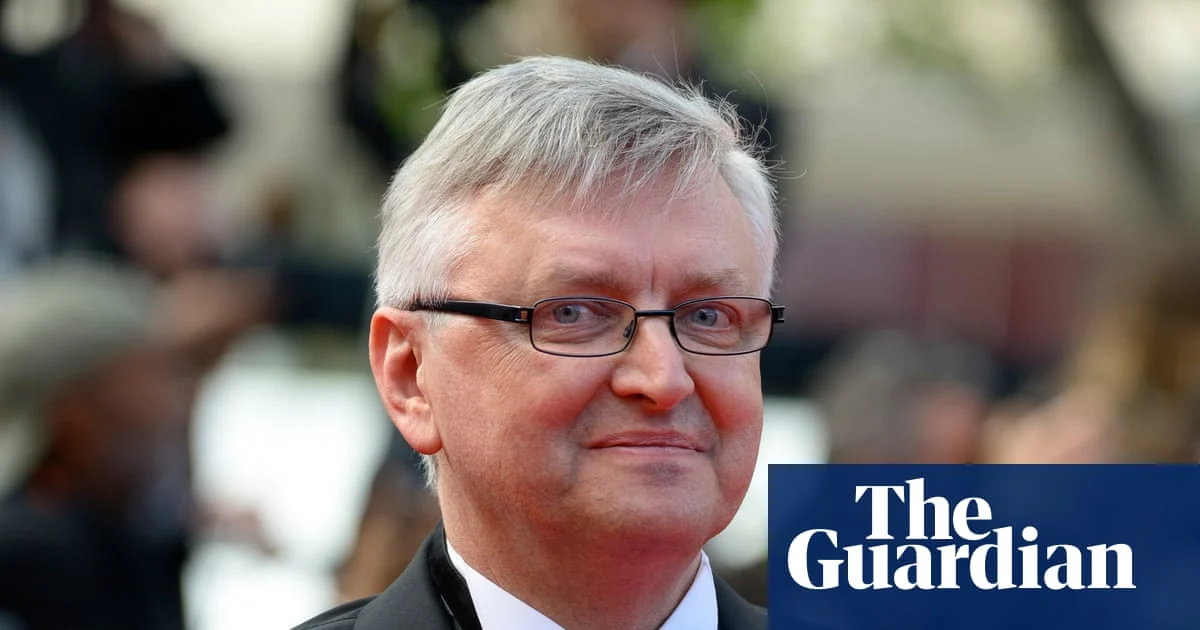
Ukrainian filmmaker Sergei Loznitsa has criticized the European Commission’s decision to cut funding to the Venice Biennale after it allowed Russia to open its pavilion for the first time since 2022. Loznitsa, one of Ukraine’s most acclaimed directors, likened the move to ‘a punishment in kindergarten,’ as tensions over Russia’s ongoing invasion of Ukraine continue to influence cultural events.
KEY FACTS
- Sergei Loznitsa, a prominent Ukrainian filmmaker, criticized the EU’s decision to cut €2 million in Venice Biennale funding.
- The decision followed criticism of the Biennale for allowing Russia to use its pavilion despite the ongoing war in Ukraine.
- Loznitsa compared the funding withdrawal to ‘a punishment in kindergarten.’
- Russia had not participated in the Biennale since 2022 due to its full-scale invasion of Ukraine.
THE STORY
Why is Russia’s pavilion controversial?
The Venice Biennale, a prestigious international art and film exhibition, faced backlash earlier this year when it permitted Russia to reopen its pavilion, despite global condemnation of its war in Ukraine. This marked Russia’s first return since 2022, when the EU and other nations imposed cultural sanctions following the invasion. The move has been seen as politically contentious, given that many Western institutions have sought to isolate Russia culturally.
What does the funding cut mean?
The EU’s decision to withdraw €2 million in financial support suggests growing pressure on cultural events to take a firm stance against Russia. However, Loznitsa’s criticism highlights a divide between political sanctions and cultural engagement, with some arguing that cutting funding penalizes the broader artistic community rather than the Russian government directly.
WHAT WE KNOW — AND WHAT WE DON’T
Verified by the source:
- The EU withdrew funding for the Venice Biennale over Russia’s participation.
- Sergei Loznitsa criticized the decision, comparing it to childish punishment.
Still unconfirmed:
- Whether other EU officials or cultural figures support Loznitsa’s stance.
- If the Biennale will reconsider Russia’s participation in future editions.
WHY IT MATTERS
The dispute reflects broader tensions over how cultural institutions should respond to geopolitical conflicts. While some argue that art should remain apolitical, others believe institutions must take a stand against aggressor states. The EU’s funding withdrawal sets a precedent for how cultural funding may be leveraged in geopolitical disputes.
WHAT TO WATCH
Observers will monitor whether the Venice Biennale alters its stance on Russia’s participation in future editions or if other cultural bodies follow the EU’s lead in withholding funds. For more on the geopolitical impact of cultural boycotts, see our war-geopolitics coverage.