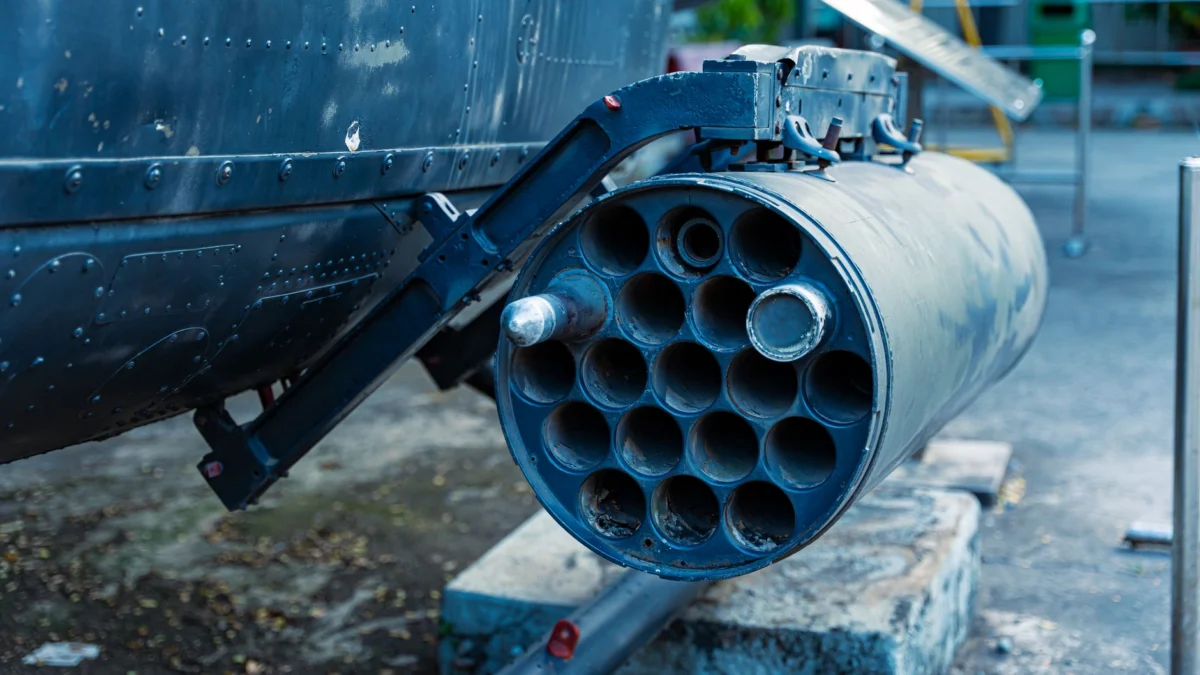
Early Friday morning, a thunderous whine rippled across Kyiv as surface‑to‑air units scrambled to intercept an unidentified ballistic object.
Ukraine’s air defence command confirmed the launch of a short‑range ballistic missile targeting the capital and the surrounding oblasts of Chernihiv, Poltava and Kharkiv.
“Air defences have detected a ballistic threat over Kyiv and multiple regions,” the statement read, offering no further detail about the missile’s origin.
What is the nature of the threat?
According to the limited information released, the projectile is believed to be a theatre‑ballistic missile, a class commonly used by Russia in recent weeks to strike deep‑ inland targets.
Radar operators reported a flight time of roughly 90 seconds from launch to intercept altitude, suggesting the missile travelled at about 2.5 km/s.
Why does this matter?
The warning matters because it signals a possible escalation in the conflict’s fire‑power spectrum. While artillery and drones have dominated the frontlines, a surge in ballistic strikes could force Kyiv to divert resources to hardened shelters and civil defence drills, disrupting daily life for millions.
For residents, the alert translates to sirens, hurried trips to basements, and a heightened sense of vulnerability that erodes confidence in the government’s protective umbrella.
From a geopolitical angle, a renewed ballistic campaign could draw NATO’s attention back to air‑defence aid, prompting an uptick in modern interceptors like the US‑made Patriot and the European SAMP‑T.
Who is affected?
Beyond the civilian population, the threat reverberates through Ukraine’s energy grid. A ballistic strike on power infrastructure in Kharkiv could plunge the city into darkness, hampering both military communications and civilian hospitals.
International investors watch these alerts closely; a spike in missile activity often triggers short‑term spikes in oil prices and can depress the Ukrainian hryvnia, affecting economy and markets across the region.
What happens next?
Ukrainian officials have pledged to boost interception readiness, while Russian military spokespeople have not yet commented on the specific incident.
Analysts expect a rapid exchange of intelligence between Kyiv and its NATO partners, potentially leading to another round of joint exercises aimed at sharpening regional air‑defence coordination.
Watch this space: the next advisory could reveal whether the ballistic warning was an isolated incident or the opening salvo of a broader campaign.