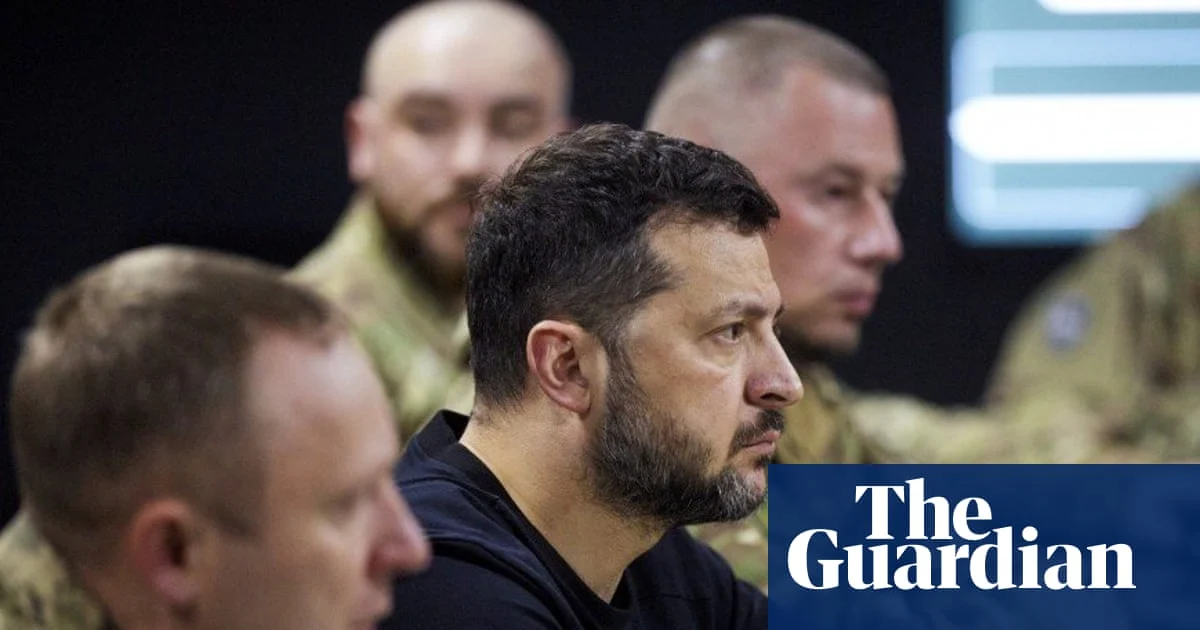
Ukraine said it will step up oil refinery attacks in response to what it describes as a new Russian military doctrine aimed at forcing civilians to abandon cities ahead of winter, according to statements attributed to President Volodymyr Zelenskyy.
The move reflects a growing escalation in cross-border targeting between the two sides, with Kyiv saying it obtained documents indicating Russian leadership has authorised strikes on infrastructure, logistics and civilian sites including roads, schools and hospitals. Zelenskyy told Reuters that Ukraine would not target civilians but would hit energy assets, including oil refineries, which he said fund Russia’s war effort.
Key Facts
- Ukraine plans to increase oil refinery attacks on Russian targets.
- Zelenskyy said Ukraine will not target civilian objects.
- Ukraine says it obtained documents outlining a new Russian military doctrine.
- Russia is accused of planning broader strikes on civilian infrastructure before winter.
- Ukraine is working to improve jamming and air defences, including new missile shipments.
The Story
What happens next?
Ukraine says it is preparing to escalate its campaign against Russian oil infrastructure, framing the decision as a direct response to what it calls Moscow’s new operational strategy. According to Zelenskyy, intelligence documents obtained by Ukraine’s security service show that Russian leadership has approved a broader framework for attacking civilian infrastructure, logistics hubs and urban centres. This includes roads, schools and hospitals, with the stated goal of pressuring populations to leave major cities such as Kyiv. Zelenskyy told Reuters that Ukraine would respond in kind by targeting energy assets, particularly oil refineries, which he described as funding the war machine. However, he insisted Ukraine would not strike civilian objects. The rationale, he said, is to apply proportional pressure on Russia’s economic and military capacity while avoiding harm to non-combatants. This marks a significant shift in Ukraine’s public posture, suggesting a recalibration of its defensive and retaliatory strategy as winter approaches and both sides brace for renewed energy-focused confrontations.
Who is affected?
Russia’s energy infrastructure appears to be the primary target of Ukraine’s announced escalation, with oil refineries singled out as key nodes in the country’s war economy. Zelenskyy argued that disrupting these facilities strikes at the financial base financing Moscow’s military operations. Meanwhile, Russian attacks have already killed at least six people in Ukraine and damaged critical infrastructure such as Kyiv’s Northern Bridge, according to reports. Previous strikes have hit apartment blocks, warehouses, gas stations and data centres, disrupting daily life and mobility in the capital. On the Ukrainian side, efforts are underway to bolster air defences, including upgraded jamming systems and incoming deliveries of small, low-cost missiles designed to counter Iranian-style drones. Domestically produced ballistic missiles like the FP-7, with a range of roughly 250km, have also been deployed, with a longer-range variant expected by autumn. These developments suggest both sides are preparing for an intensified phase of conflict centred on energy, infrastructure and psychological warfare as temperatures drop.
How did we get here?
The latest announcement comes after months of intensified Russian strikes on Ukrainian cities, particularly targeting energy grids and urban infrastructure in an apparent campaign to weaken morale ahead of winter. Zelenskyy said Ukraine’s intelligence service had obtained internal Russian documents outlining a revised doctrine permitting expanded attacks on civilian and logistical targets. He framed this as part of a deliberate strategy by Moscow to create humanitarian pressure and force displacement. In response, Kyiv is doubling down on its own capabilities, investing in domestic weapons production and securing foreign-supplied air defence systems. A counteroffensive codenamed Vivaldi has reportedly reclaimed around 140 square kilometres in eastern Donbas, though progress remains slow. Ukraine is also working to offset ammunition shortages affecting its fighter jets, which have managed to down roughly 60% of Russian drone incursions. As both sides prepare for a prolonged winter phase, the focus is shifting toward asymmetric warfare, energy disruption and psychological tactics rather than large-scale territorial gains.
What We Know — and What We Don’t
Verified by the source:
- Ukraine plans to increase attacks on Russian oil refineries.
- Zelenskyy stated Ukraine will not target civilian objects.
- Ukraine claims to have obtained Russian military planning documents.
- Russia has carried out recent strikes killing at least six people in Ukraine.
- Ukraine is receiving new short-range air defences and deploying FP-7 missiles.
Still unconfirmed:
- The authenticity of the allegedly leaked Russian military documents.
- The exact scope and timeline of Ukraine’s planned oil refinery campaign.
- The precise capabilities and deployment timelines of Ukraine’s new missile systems.
- Independent verification of the stated goals behind Russia’s winter strategy.
Why It Matters
The escalation highlights how the war is moving beyond battlefield engagements into targeted strikes on energy and civilian infrastructure, raising the stakes for both civilian populations and international energy markets. As winter approaches, disruptions to heating and power supply could deepen humanitarian crises and strain neighbouring countries already accommodating refugees and supporting Kyiv.
What To Watch
Whether Russia responds to the announced Ukrainian campaign with further strikes on infrastructure, and whether Kyiv’s new air defences and missile deployments significantly alter the tactical balance in the coming months.
Ukraine says it will escalate oil refinery attacks on Russian targets while claiming new intelligence shows Moscow planning wider civilian strikes before winter.