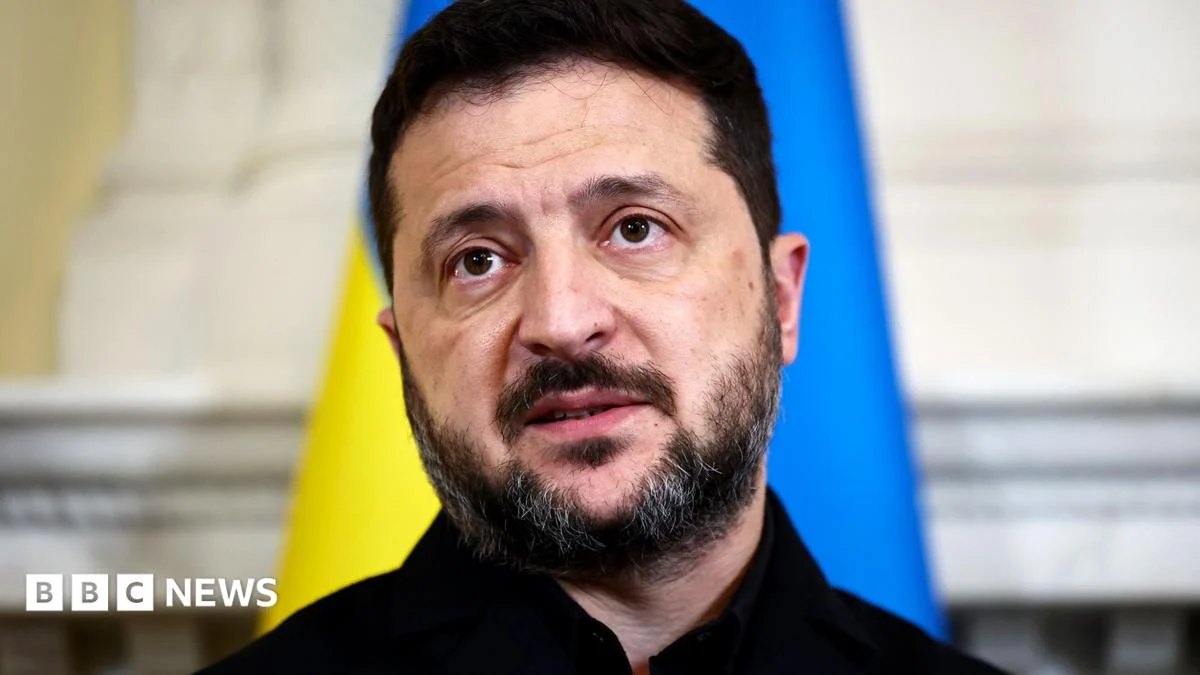
Ukraine will resume strikes on Russian oil refineries after a temporary pause, President Volodymyr Zelensky announced, signaling a shift in the country’s military strategy. The pause, which had been in place for weeks, ended following what Zelensky described as renewed Russian attacks and diplomatic pressure from the United States. He also hinted that disruptions to Starlink services may have been deliberate, though no further details were provided.
Zelensky’s statement comes amid ongoing tensions between Kyiv and Washington over the scope and timing of Ukraine’s long-range operations. While the U.S. has expressed concern about actions that could escalate hostilities or disrupt global energy markets, Ukraine maintains that targeting Russian infrastructure is a legitimate response to aggression. The resumption of strikes underscores the complex dynamics shaping the conflict as both sides adjust their tactics on and off the battlefield.
Key Facts
- Ukraine will resume strikes on Russian oil refineries.
- President Volodymyr Zelensky announced the end of a pause on such attacks.
- The decision follows new Russian attacks and U.S. diplomatic pressure on Kyiv.
- Zelensky suggested a slowdown in Starlink services was intentional.
What Happens Next?
The resumption of strikes on Russian oil refineries marks a significant development in Ukraine’s campaign to target energy infrastructure. These facilities play a key role in supporting Russia’s wartime economy, and disrupting their operations can have both symbolic and logistical impacts. However, attacks on energy infrastructure also carry risks, including potential retaliation or broader escalation. Observers will be watching closely to see whether Moscow responds with further military action or adjusts its own posture in response to renewed Ukrainian pressure.
Regional analysts note that Ukraine’s ability to conduct long-range strikes has evolved over time, supported in part by Western-supplied weaponry and intelligence capabilities. The decision to renew these attacks may reflect a calculated effort to signal resolve ahead of anticipated negotiations or diplomatic developments. At the same time, the effectiveness of such strikes depends on a range of factors, including logistics, accuracy, and the capacity of Russian air defenses.
How Did We Get Here?
The pause on attacks against Russian oil refineries appears to have been influenced by diplomatic discussions between Kyiv and Washington. The United States has repeatedly urged restraint on operations that could destabilize global energy prices or invite unwanted escalation. At the same time, Russia has continued its own offensive operations across multiple fronts, prompting Kyiv to reassess its strategic priorities. Zelensky’s invocation of Starlink disruptions adds another layer of complexity to the geopolitical landscape.
Starlink, a satellite internet service operated by SpaceX, has been critical to Ukraine’s battlefield communications and drone operations. Any limitations on its availability or performance could affect military readiness and coordination. While technical issues are common, Zelensky’s suggestion that recent slowdowns were intentional introduces questions about access controls and external interference—issues that remain largely unexplored in public discourse.
What We Know — and What We Don’t
Verified by the source:
- Ukraine plans to restart strikes on Russian oil refineries.
- President Volodymyr Zelensky announced the end of a pause on such attacks.
- Fresh Russian attacks and U.S. pressure influenced the decision.
- Zelensky hinted that Starlink slowdowns were deliberate.
Still unconfirmed:
- Specific timing of the renewed strikes.
- Nature of Russian attacks that prompted the change.
- Details about U.S. pressure or diplomatic communications.
- Evidence supporting claims about Starlink disruptions.
Why It Matters
The resumption of strikes on Russian oil refineries highlights the evolving nature of modern warfare, where energy infrastructure becomes a strategic target. Such operations can influence both battlefield outcomes and international perceptions of the conflict. For global audiences, developments like these often ripple into energy markets and diplomatic relations, underscoring how localized military actions can carry wider implications for security and stability.
What To Watch
Future statements from Ukrainian officials may clarify the scope and timing of the renewed strikes. Meanwhile, reactions from the United States and other allies will indicate whether there is continued support for this phase of Ukraine’s military strategy.
For more on evolving developments, visit our war and geopolitics archive and economy and markets coverage.