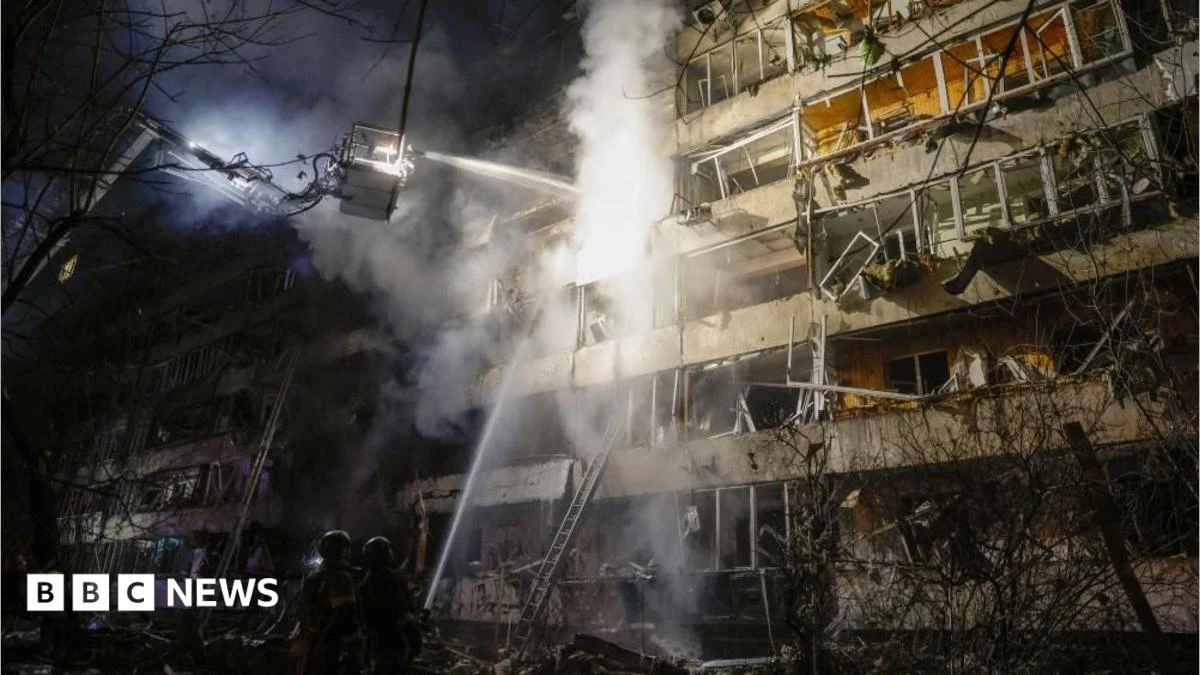
Russian strikes have left roughly 600,000 people without electricity in Ukraine, Ukrainian President Volodymyr Zelensky said, as emergency services confirmed at least three fatalities following overnight attacks on critical infrastructure.
BBC News reported that the president made the statements regarding widespread power outages affecting hundreds of thousands across multiple regions. Emergency responders indicated some casualties resulted from the coordinated assault on essential facilities. The exact scope and locations remain unclear pending additional official briefings.
Key Facts
- About 600,000 customers lost power after Russian strikes, per Ukraine’s leader.
- Ukrainian officials say "critical" infrastructure sustained damage overnight.
- Emergency services report at least three deaths linked to the assault.
What Happened During The Overnight Attacks?
BBC News described the incidents as targeted hits on key utility nodes supporting civilian life. These could include electrical substations, water treatment plants, or heating systems – though specifics were not named in its summary account. Damage to such assets often leads to cascading blackouts affecting entire neighborhoods or cities simultaneously.
Authorities have yet to release granular breakdowns of which areas experienced outages or how long restoration efforts might take. Recovery typically depends on physical access, spare parts availability, and security conditions near damaged sites – none of which are detailed here.
The term ‘critical infrastructure’ refers broadly to systems necessary for societal functioning, including energy grids, communications networks, transportation hubs, healthcare facilities, and emergency response centers. Disruption to any component can ripple outward quickly, especially if repair crews face logistical obstacles like active combat zones or contaminated environments.
Who Is Affected By These Power Outages?
Roughly six hundred thousand people now lack access to electric service according to figures cited by President Zelensky through BBC News. That represents a significant portion of affected communities regardless of whether they’re urban or rural settlements.
Loss of power impacts daily routines immediately – lighting, heating/cooling, refrigeration, phone charging, internet connectivity – and indirectly affects public health outcomes when hospitals or clinics lose backup generator support. Vulnerable populations including elderly individuals living alone, children dependent on medical devices, and displaced persons sheltering indoors become particularly exposed under these circumstances.
Emergency workers continue assessing total impact zones while coordinating restoration priorities amidst ongoing hostilities. Humanitarian organizations may soon need to deploy mobile generators or temporary shelters depending on evolving situational reports emerging over coming hours and days ahead.
Verified by the source:
- Russian strikes occurred overnight causing widespread disruptions.
- About 600,000 people lost power following the attacks.
- Critical infrastructure experienced damage as confirmed by officials.
- Three fatalities have been documented by emergency services.
Still unconfirmed:
- Exact regions impacted beyond general national coverage area.
- Types of infrastructure specifically targeted during raids.
- Totality of casualties beyond initial three reported deaths.
- TIMELINE for full power grid restoration efforts underway.
This incident underscores how modern warfare increasingly targets civilian utilities, raising humanitarian concerns even among traditionally neutral observers monitoring compliance with international laws governing armed conflict conduct globally today.
Western governments monitoring developments closely will likely weigh further sanctions against Moscow alongside increased aid packages sent directly toward rebuilding Ukrainian energy capacity over next fiscal periods pending verification delays noted above.