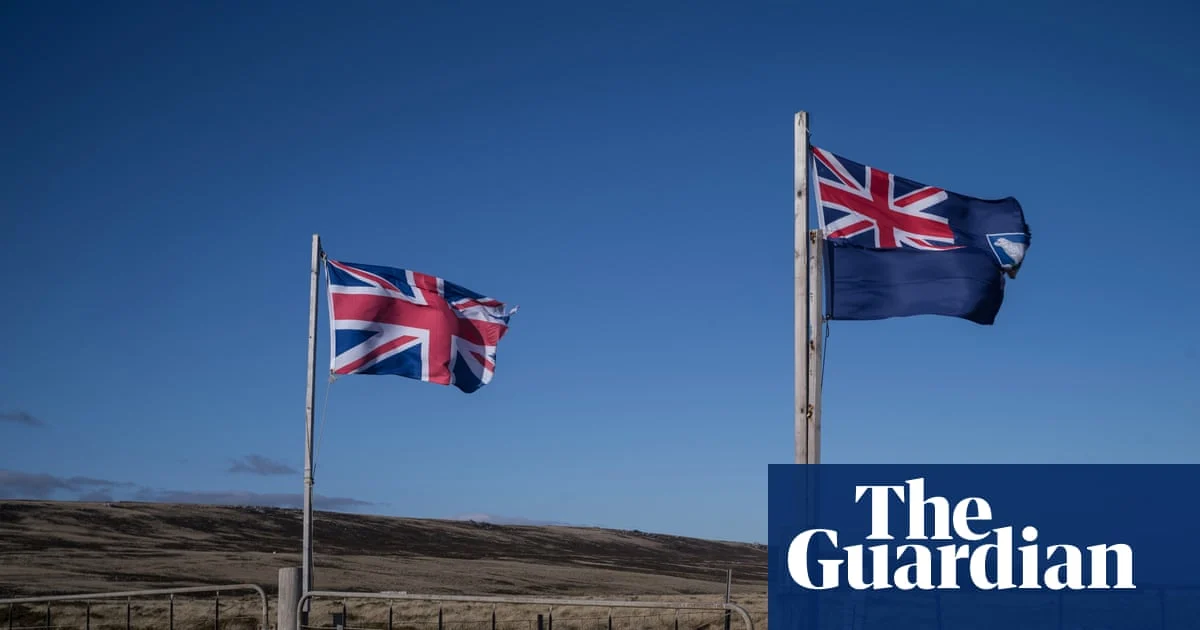
The United Kingdom has appealed to Interpol to reject Argentina’s red notice requests for the arrest of individuals linked to an oil project off the Falkland Islands. Tensions over the sovereignty of the British overseas territory have risen to levels unseen since the 1982 conflict between the two nations. UK officials have sought urgent assurances from the international organization regarding these so-called ‘politically motivated’ requests.
Britain’s move signals growing concern over the potential use of Interpol mechanisms in disputes involving the Falkland Islands, a territory currently governed as a British Overseas Territory. The oil project at the center of the controversy underscores ongoing strategic and economic interests in the South Atlantic. The UK government has characterized Argentina’s actions as politically driven, raising questions about the appropriate role of international law enforcement agencies in territorial disputes.
KEY FACTS
- The UK has asked Interpol to reject Argentina’s requests for
Falklands oil arrests. - Argentina’s red notice requests are described as ‘politically motivated’.
- The individuals targeted are linked to an oil project near the Falkland Islands.
- Tensions echo levels not seen since the 1982 war between the UK and Argentina.
- The Falkland Islands remain a British Overseas Territory.
The Story
What happens next?
The outcome hinges on whether Interpol accepts or rejects the UK’s request to dismiss Argentina’s red notice applications. Interpol’s leadership has yet to issue a public statement. A decision could affect future cooperation between member states on law enforcement matters in the region.
Legal experts note that red notices are typically issued for individuals wanted for prosecution or serving sentences, not for political disputes. If approved, such notices could strain diplomatic relations and set precedents for similar cases involving territorial claims.
Meanwhile, the oil project off the Falkland Islands continues to draw attention from energy companies and regional stakeholders. Its development remains sensitive due to the unresolved sovereignty question. Any escalation in legal or diplomatic pressure could impact investment decisions.
Who is affected?
Those directly affected include individuals associated with the oil project, though their identities have not been disclosed in the source material. Companies involved in exploration or extraction activities in the area may also face operational risks if international law enforcement actions proceed.
The Falkland Islands government, while aligned with the UK, operates with a significant degree of self-governance. Its residents have previously expressed support for continued British sovereignty in referendums. Broader, any shift in international legal posture on these arrests could reverberate across the South Atlantic.
Regional governments and international observers are monitoring developments closely. Diplomatic channels remain active, with both London and Buenos Aires maintaining firm positions on sovereignty and resource rights.
What We Know — and What We Don’t
Verified by the source:
- The UK has formally requested Interpol to reject Argentina’s red notice requests.
- The requested arrests target individuals linked to an offshore oil project.
- Argentina’s requests have been labeled as politically motivated by UK officials.
- Interpol has not publicly responded to the appeal.
Still unconfirmed:
- The identities or nationalities of those targeted by the red notices.
- Specific legal justifications cited by Argentina in its requests.
- Whether any individuals have already been detained in connection with the notices.
- Internal deliberations within Interpol’s governing bodies.
Why It Matters
This dispute reflects broader challenges in applying international legal frameworks to territorial conflicts. As global demand for energy resources grows, offshore projects in contested waters risk becoming flashpoints for diplomatic friction. How Interpol navigates this case may influence its credibility and neutrality in future politically charged situations.
A decision rejecting the UK’s plea could embolden one side; accepting it might strain trust among member states. The stakes extend beyond the South Atlantic, touching norms of international law enforcement and sovereignty alike.
What To Watch
All eyes now turn to Interpol for a ruling on the UK’s appeal. The response will likely shape diplomatic momentum in the weeks ahead.