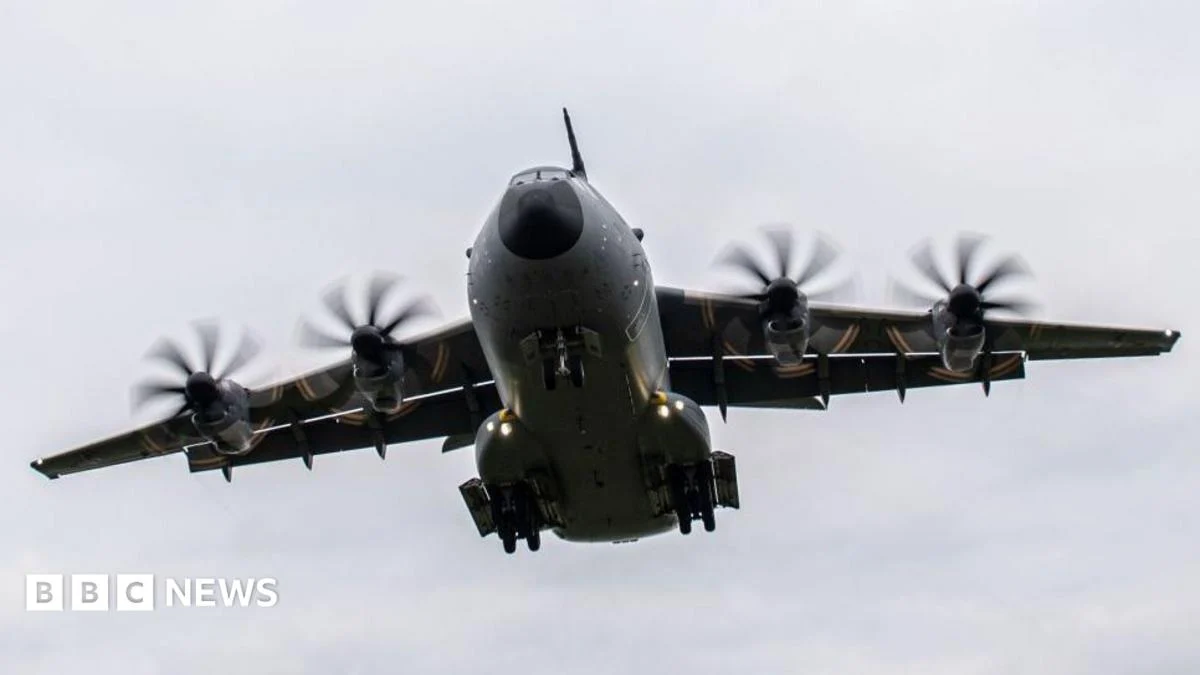
The UK government will draft in military aircraft to support firefighting efforts during wildfires, Prime Minister announcements confirmed, as the country prepares for future blazes after an unprecedented summer. The move follows the holding of the UK’s first wildfire summit, convened to discuss strategies for managing increased fire risks. The summit took place in the aftermath of a record-breaking summer during which wildfire activity reached new highs across parts of the country.
The deployment of military aircraft represents a significant shift in how the UK intends to manage large-scale wildfires, moving beyond traditional firefighting resources. This decision reflects growing concern over the frequency and intensity of wildfires, which have become more common in recent years due to rising temperatures and prolonged dry conditions. The wildfire summit served as a platform for officials to assess readiness and coordinate responses for future incidents.
Key Facts
- The UK will draft in military aircraft to fight wildfires, according to the prime minister.
- A wildfire summit was held for the first time to prepare for future blazes.
- The summit followed a record summer for wildfire activity.
What happens next?
With the new wildfire response strategy now public, attention turns to implementation. The deployment of military aircraft is expected to enhance coordination between emergency services and defence units during major incidents. Details about which branches of the armed forces will be involved and how aircraft will be integrated into existing firefighting operations remain unclear. However, officials have indicated that planning is already underway to ensure rapid mobilisation when needed. The public can expect further updates as protocols are formalised in the coming weeks.
Who is affected?
The decision to involve military assets in wildfire response primarily impacts government agencies responsible for emergency management, including the Home Office and local fire and rescue services. It also affects communities previously at risk from wildfires, particularly those in rural or forested areas where access for traditional firefighting vehicles may be limited. By broadening the toolkit available for tackling blazes, the policy aims to reduce property damage and protect lives. Environmental groups and land managers are also likely to engage with the new framework as it evolves.
How did we get here?
The push for enhanced wildfire response capabilities comes on the back of increasingly severe fire seasons in the UK, culminating in a record-breaking summer. As climate patterns change, experts have warned of rising temperatures contributing to drier landscapes and longer fire seasons. These trends prompted political leaders to reassess national preparedness levels. Hosting the inaugural wildfire summit marked a symbolic and practical step toward building resilience against future disasters, setting the stage for deeper collaboration between civilian and military bodies.
What We Know — and What We Don’t
Verified by the source:
- Military aircraft will be used to support wildfire suppression efforts.
- The prime minister announced plans to draft in military aircraft.
- The UK hosted its first-ever wildfire summit.
- The summit was held after a record summer for wildfires.
Still unconfirmed:
- Which specific types of military aircraft will be deployed.
- The timeline for operational use of military resources.
- Exact measures agreed upon during the wildfire summit.
- Funding allocations for the expanded response programme.
Why it matters
As extreme weather events become more frequent, strengthening national wildfire response ensures better protection of lives, property, and ecosystems. Enhanced readiness could also reduce long-term economic losses associated with large fires.
What to watch
Further details on aircraft deployment protocols and inter-agency cooperation frameworks are expected in upcoming briefings.
The UK’s move to draft in military aircraft for wildfire response underscores changing approaches to emergency management in light of environmental shifts.