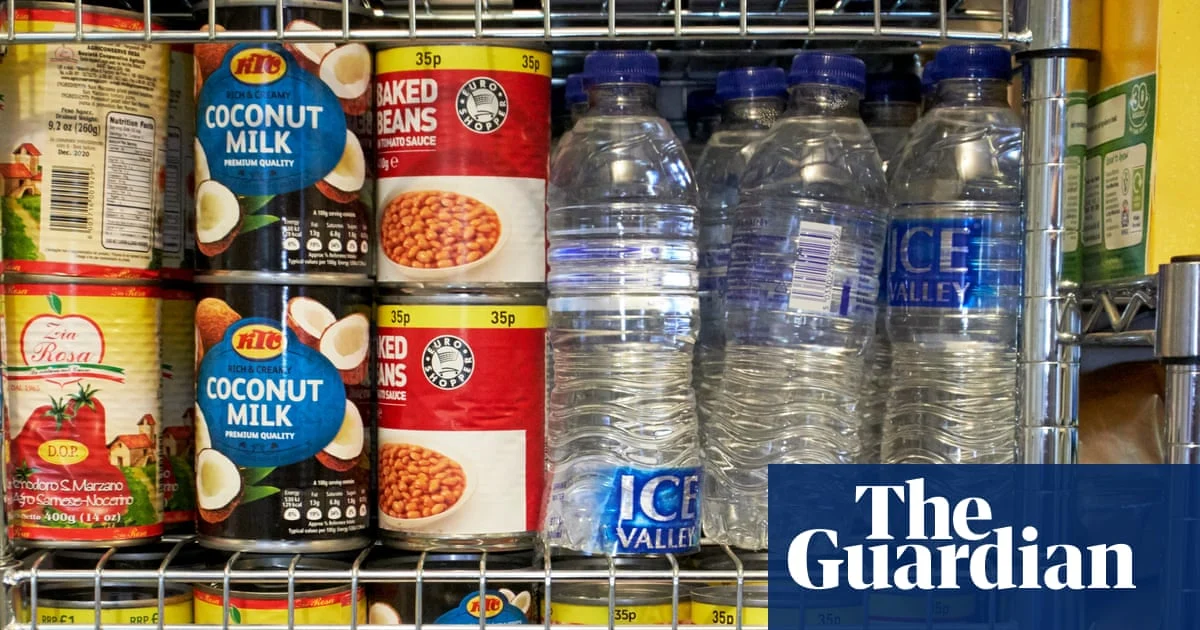
Some UK residents are stockpiling supplies including tinned food, loo roll, and power banks, following a government campaign recommending three days’ worth of stores for emergencies. The move comes amid warnings about Russian state-sponsored terrorism and the impact of the climate crisis.
The government launched a campaign on Thursday advising people to set aside three days’ worth of stores to deal with a whole range of eventualities, and some are already well under way. Items such as dried foods, bottled water, medicine stocks, and backup power banks are among those being gathered by residents preparing for potential disruptions.
Key Facts
- UK residents are stockpiling supplies such as tinned food and loo roll.
- Government campaign recommends three days’ worth of stores for emergencies.
- Some residents are already well under way with preparations.
- Warnings cite Russian ‘state-sponsored terrorism’ and climate crisis impact.
- Common items include dried foods, bottled water, and backup power banks.
What is the government asking people to do?
The government campaign urges individuals to maintain at least three days’ worth of essential supplies. This includes non-perishable food items, bottled water, medications, and other basics needed during short-term emergencies. The recommendation is intended to help households remain self-sufficient for a limited period while emergency services respond to disruptions.
Stockpiling supplies is presented as a precautionary measure rather than a response to any specific imminent event. Officials emphasize that the advice applies broadly to a range of possible eventualities, from cyberattacks to severe weather linked to the climate crisis.
Why are people already ahead of the government advice?
Some residents have taken action before the official campaign began. These individuals appear motivated by concerns over national security threats, including allegations of Russian state-sponsored terrorism, as well as increasing anxiety about climate-related disruptions.
The behavior reflects a mix of civic preparedness and personal risk management. While the government initiative aims to standardize preparedness across the population, early adopters are drawing on their own assessments of risk to guide purchasing decisions.
What We Know — and What We Don’t
Verified by the source:
- Some UK residents are stockpiling supplies following official guidance.
- The government advises three days’ worth of emergency stores.
- Recommended items include dried foods, bottled water, and power banks.
- Official messaging references Russian state-sponsored terrorism and climate risks.
Still unconfirmed:
- The precise scale or percentage of residents participating in stockpiling.
- Specific dates or timelines for the rollout of the campaign.
- Whether official warnings are tied directly to current events.
- Names of individual officials or departments involved.
Why It Matters
Public responses to government preparedness campaigns often reflect broader societal tensions around security, resilience, and trust in institutions. This initiative intersects with ongoing discussions about national readiness in the context of geopolitical conflict and environmental change, as explored further in our war-geopolitics coverage and climate-environment reporting.
What To Watch
Future developments may clarify whether additional guidance or legislative support will follow. Ongoing public engagement with preparedness messaging could also signal shifts in perceived threat levels.