LEDE
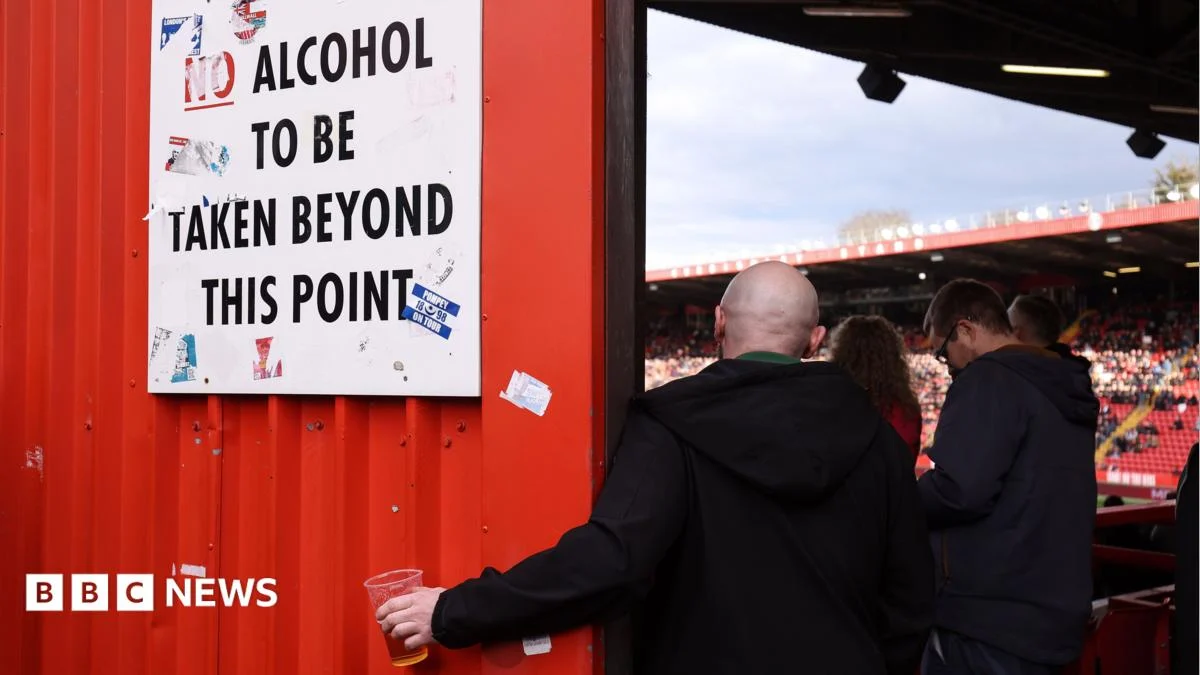
The UK prime minister has criticized the football alcohol ban, describing it as discriminatory and stating there is a case to remove it. The ban on alcohol in football stadium stands has been in place since 1985 and is now facing renewed scrutiny from government leadership.
The prime minister’s comments come as the long-standing rule continues to draw mixed reactions from officials and the public alike. Under current regulations, fans are not permitted to bring alcohol into viewing areas of football stadiums during matches.
KEY FACTS
- The prime minister opposes the football alcohol ban.
- Ban on alcohol in football stands in place since 1985.
- The prime minister calls the ban ‘discrimination’.
- There is reportedly a case to remove the football alcohol ban.
Why Now?
The prime minister has publicly voiced opposition to the football alcohol ban, stating that it amounts to discrimination. This marks a notable shift in tone from the government regarding a regulation that has remained largely unchallenged at the highest level for decades.
The ban, introduced in 1985, prohibits the consumption of alcohol in the stands during football matches. Supporters are allowed to purchase drinks in designated areas such as concourses or hospitality zones, but not while seated in viewing sections.
How Did We Get Here?
The original legislation was introduced in the wake of tragic events at football grounds in the 1980s, aimed at improving safety and reducing alcohol-related incidents during matches. Over the years, the rule has been maintained by successive governments and sporting authorities.
While the regulation applies specifically to football stadiums, other sporting venues in the UK do permit alcohol consumption in seated areas. This difference in treatment may explain part of the reasoning behind the prime minister’s characterization of the policy as discriminatory.
What Happens Next?
Despite the prime minister’s stance, no formal steps have been announced to amend or repeal the regulation. Any change would require coordination between government departments, football governing bodies, and potentially legislative action.
For now, the football alcohol ban remains enforced, though its future appears to be under active review. Officials have not provided a timeline for potential reforms or further statements on the issue.
What We Know — and What We Don’t
Verified by the source:
- The prime minister opposes the football alcohol ban.
- The ban was introduced in 1985.
- The prime minister described the ban as discriminatory.
- There is reportedly a case for removing the ban.
Still unconfirmed:
- Which specific football venues or leagues are affected.
- Whether formal proposals to lift the ban will be drafted.
- If other government officials agree with the prime minister’s position.
This story concerns a long-standing public policy affecting millions of football spectators across the UK. A change in the football alcohol ban could reshape the experience of attending matches for many fans.
Future government statements or parliamentary discussions may determine whether the regulation will survive the current review period. As of now, no vote or official consultation has been scheduled.
The football alcohol ban remains a contentious topic in sports and politics, drawing attention well beyond the pitch. Updates will depend on whether additional details emerge from official channels.