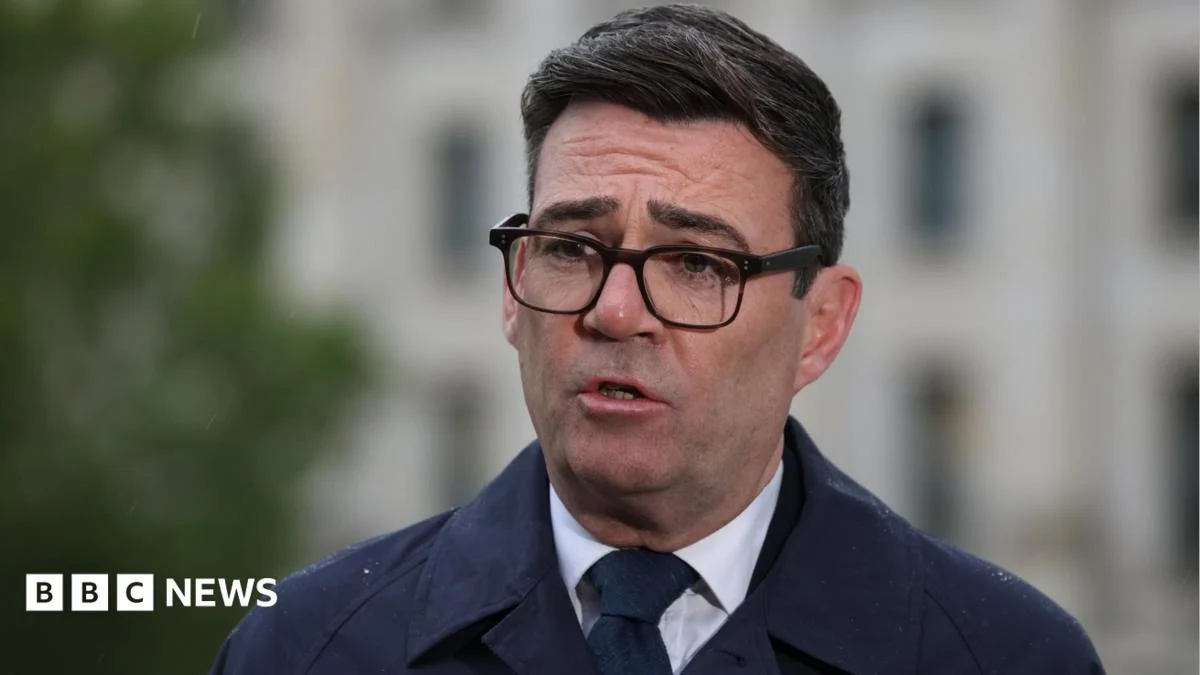
The UK Prime Minister has expressed willingness to hold an “honest discussion” about the possibility of returning to EU free movement arrangements between Britain and Europe. This marks a notable shift in tone regarding one of the most contentious issues in post-Brexit politics.
In a move that signals potential policy reconsideration, the Prime Minister emphasized the need for a “factual” and “evidence-based debate” on the topic. While no concrete plans have been announced, the statement opens the door for renewed dialogue around the UK’s relationship with the European Union.
KEY FACTS
- Prime Minister open to discussion on EU free movement return.
- Debate described as needing to be “factual” and “evidence-based”.
- Potential return concerns trade and migration between Britain and Europe.
- BBC News reported these remarks without specifying timing or context.
- No formal proposal submitted yet by government sources.
What Happens Next on EU Free Movement?
While the Prime Minister’s comments invite speculation, no legislative steps have been taken toward reversing Brexit-era policies. Any formal return to EU free movement would require extensive negotiations with Brussels and domestic parliamentary approval.
Past governments have avoided such discussions due to strong public sentiment against immigration controls being relaxed. However, labor shortages across sectors like healthcare and agriculture may influence future thinking.
EU officials have not yet responded publicly to these remarks, though precedent suggests Brussels values mutual access to labor markets as part of broader cooperation frameworks.
Who Is Affected by These Remarks
Business leaders, workers, and policymakers both within the UK and the EU are likely impacted by any suggestion of renewed migration ties. Industries reliant on cross-border movement of people — especially hospitality, transport, and social care — could benefit significantly if restrictions were lifted.
For citizens, changes might affect everything from travel rights to job mobility. Meanwhile, opposition parties will scrutinize whether the government intends to pursue actual policy reform or merely explore ideas.
Internationally, investors watch closely when major economies hint at easing workforce borders, given its effect on economic growth projections and market stability.
How Did We Get Here?
After leaving the EU in January 2020, the UK ended automatic free movement rights enjoyed under previous membership terms. Since then, new visa systems regulate entry based primarily on skills and salary thresholds rather than unrestricted access.
Recent data shows some sectors struggle to recruit locally, reigniting internal debates among ministers about balancing sovereignty concerns with economic demands.
The current administration appears more willing to discuss sensitive topics openly compared to earlier periods when even mentioning “rejoin” triggered intense backlash politically.
What We Know — and What We Don’t
Verified by the source:
- The Prime Minister supports a “factual” and “evidence-based debate” on EU free movement.
- He welcomes an “honest discussion” regarding possible return to free movement.
- BBC News reported these statements without additional context or quotes.
Still unconfirmed:
- No formal plan or timeline exists for policy change.
- Public reaction inside or outside Parliament remains unknown.
- There is no official confirmation of what evidence would guide such a debate.
Why It Matters
Immigration and border policy remain defining elements of British identity since Brexit. Any softening in stance on EU free movement reflects evolving pressures from business, demographics, and global competition for talent — factors shaping national strategy beyond partisan lines.
What To Watch
Parliamentary responses and potential cabinet-level working groups may signal next steps. Official responses from the European Commission should clarify whether reciprocal interest exists.