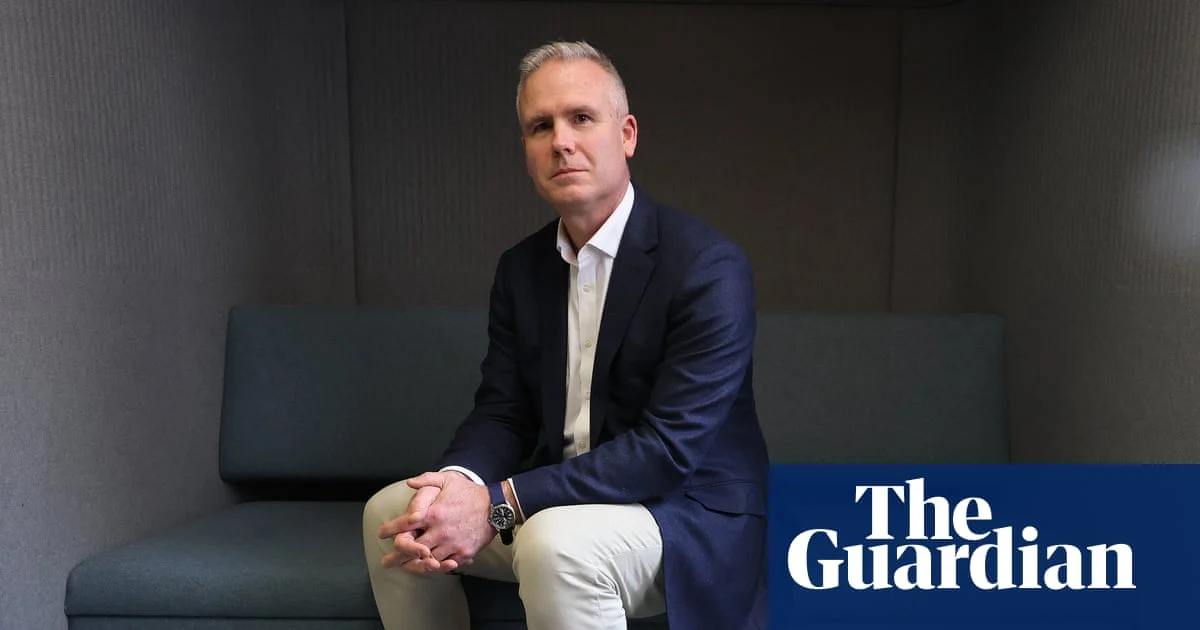
The head of the Alan Turing Institute has warned that the UK must avoid becoming dependent on foreign AI systems that could be switched off at short notice, emphasizing the need for national resilience in the technology sector.
George Williamson, speaking as the leader of the Alan Turing Institute, stressed that the UK needs to build a stronger domestic position in artificial intelligence research and development. His comments come amid growing global concern over the dominance of US and Chinese firms in AI innovation and deployment.
Williamson framed the issue as a matter of national security and sovereignty, suggesting that reliance on overseas-controlled AI infrastructure poses strategic risks to the UK’s autonomy and operational continuity across both public and private sectors.
Key Facts
- The UK must not depend on foreign AI systems that can be switched off quickly.
- The Alan Turing Institute prioritizes national resilience in AI development.
- The US and China lead globally in AI technology advancement.
- Developing domestic AI capabilities is critical for UK competitiveness.
- George Williamson leads the Alan Turing Institute.
What Does Foreign AI Dependence Risk?
Depending on AI systems developed and controlled abroad exposes the UK to potential disruptions or manipulation that could affect critical services, defense operations, and economic functions. Systems hosted or operated by foreign entities may be subject to different legal jurisdictions or geopolitical pressures, limiting the UK’s ability to ensure consistent access or control during times of tension or conflict.
While outsourcing certain technological needs is common, experts argue that core AI infrastructure should remain within trusted domestic boundaries to protect sensitive data and preserve decision-making autonomy. The Alan Turing Institute plays a central role in advancing UK-based AI research and policy guidance.
How Did Global AI Leadership Evolve?
The rapid rise of US and Chinese companies in the AI sector has reshaped the global landscape. These nations have heavily invested in AI through government funding, academic partnerships, and commercial applications, creating ecosystems where innovation scales quickly and attracts top talent.
The UK, despite having strong research institutions like the Alan Turing Institute, lags behind in terms of large-scale deployment and commercial dominance. Williamson’s call reflects concerns that without urgent domestic investment and strategic direction, the gap may widen further, reducing the UK’s influence in shaping future AI standards and governance frameworks.
Who Is Affected by This Shift?
Government agencies, healthcare providers, financial institutions, and other organizations relying on AI-driven tools for automation, analysis, and security face exposure if those systems depend on foreign suppliers. Transitioning toward homegrown AI solutions would require coordinated efforts between policymakers, researchers, and industry stakeholders to create sustainable domestic alternatives.
Verified by the source:
- The UK should not rely on foreign AI systems due to shutdown vulnerabilities.
- National resilience is a key focus for the Alan Turing Institute.
- The US and China have advanced more rapidly in AI technology.
- George Williamson is the head of the Alan Turing Institute.
Still unconfirmed:
- Specific examples of UK organizations affected by foreign AI dependencies.
- Detailed timelines or budgets for expanding UK AI capabilities.
- Official responses from UK government departments on new AI policies.
Why It Matters
As AI becomes integral to everything from public services to national defense, ensuring reliable and sovereign access to these technologies grows increasingly important. Countries that fall behind in developing their own AI capabilities risk losing competitive edge and facing greater risks related to data privacy, cybersecurity, and strategic independence.
What To Watch
Future announcements from the Alan Turing Institute and the UK government regarding funding initiatives, regulatory changes, or partnerships aimed at strengthening the country’s AI ecosystem will signal progress in addressing these challenges.