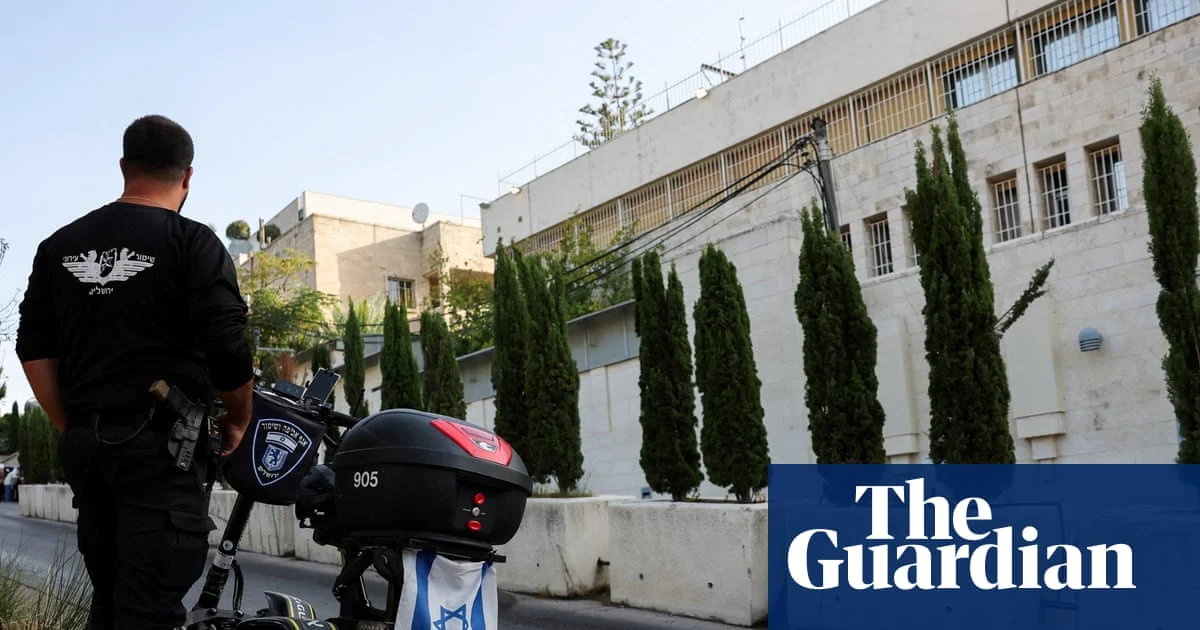
The British consulate in East Jerusalem will remain open but operate at a reduced scale as a UK mission, after the United Kingdom and Israel stepped back from a full diplomatic crisis. The decision follows days of mounting tension over British trade restrictions on settlements in the occupied Palestinian territories. Britain confirmed it will keep a presence in East Jerusalem but reduce the number of diplomats based there, with officials indicating only a small team will remain at the site.
The move comes after Israel signalled it would downgrade diplomatic relations with Britain over the foreign secretary’s recent policy shift. The United Kingdom introduced a ban on trade with settlements deemed illegal under international law and announced a tougher sanctions regime targeting individuals and entities involved in settlement construction. In response, Israel moved to force a reduction in the British consulate’s operations, effectively demanding that Britain rebrand the facility in East Jerusalem as a simple UK mission rather than a consulate general.
Key Facts
- The UK consulate in East Jerusalem will stay open but be rebranded as a UK mission.
- Only seven UK diplomats will remain in the building after others leave.
- The consul general, Helen Winterton, is among those set to depart.
- The change was prompted by new UK sanctions on Israeli settlements.
- The UK says the policy aims to protect the two-state solution.
The Story
How did we get here?
The dispute began when the UK foreign secretary announced a ban on trade with settlements considered illegal under international law, alongside new sanctions targeting those involved in their construction. That policy shift followed longstanding British criticism of settlement expansion in the occupied Palestinian territories, which the UK argues undermines prospects for a negotiated two-state solution. Israel reacted sharply, calling the move an interference in its sovereignty and threatening to downgrade bilateral ties.
Rather than allow a full rupture in diplomatic relations, both governments agreed to a scaled-back compromise. Under the deal, the British consulate general building in East Jerusalem will lose its consular status and instead function as a UK mission. Most diplomatic staff were withdrawn, leaving behind a small team of seven. Among those leaving the territory is the sitting consul general, Helen Winterton.
What happens next?
The reconfigured mission is expected to continue operating in East Jerusalem, though at a markedly reduced capacity compared with the previous consulate. The withdrawal of most British personnel marks a symbolic defeat for the UK’s broader diplomatic engagement in the region, even as London insists it remains committed to maintaining influence through its remaining presence. Observers say the episode highlights how disputes over settlements continue to strain relationships between Western allies and Israel.
What We Know — and What We Don’t
Verified by the source:
- The UK consulate in East Jerusalem will remain open under a new designation as a UK mission.
- Seven UK diplomats will remain in the building after others depart.
- Consul general Helen Winterton is scheduled to leave.
- The UK has imposed a ban on trade with settlements and introduced sanctions against settlers.
- Israel applied pressure that led to the consulate’s rebranding.
Still unconfirmed:
- The exact legal framework governing the mission’s new status.
- Whether any additional diplomatic staff will rotate back in future.
- Details of the individual sanctions regime beyond broad policy descriptions.
Why it matters
The dispute reflects ongoing tensions between Western powers and Israel over settlement policy, which many countries view as a core obstacle to achieving a two-state solution. By scaling back its consulate, the UK signals both a willingness to compromise diplomatically and a readiness to use economic leverage over issues it regards as fundamental to long-term regional stability. The episode also underscores how deeply the settlement question remains embedded in diplomatic relations across [war-geopolitics](https://www.sourcerated.com/category/war-geopolitics), particularly affecting alliances rooted in shared democratic values.
What to watch
Watch for whether the UK expands similar sanctions regimes elsewhere in the occupied territories and whether Israel signals further diplomatic retaliation. A shift in either capital could redefine the tone of future negotiations over settlement activity and broader regional security arrangements.