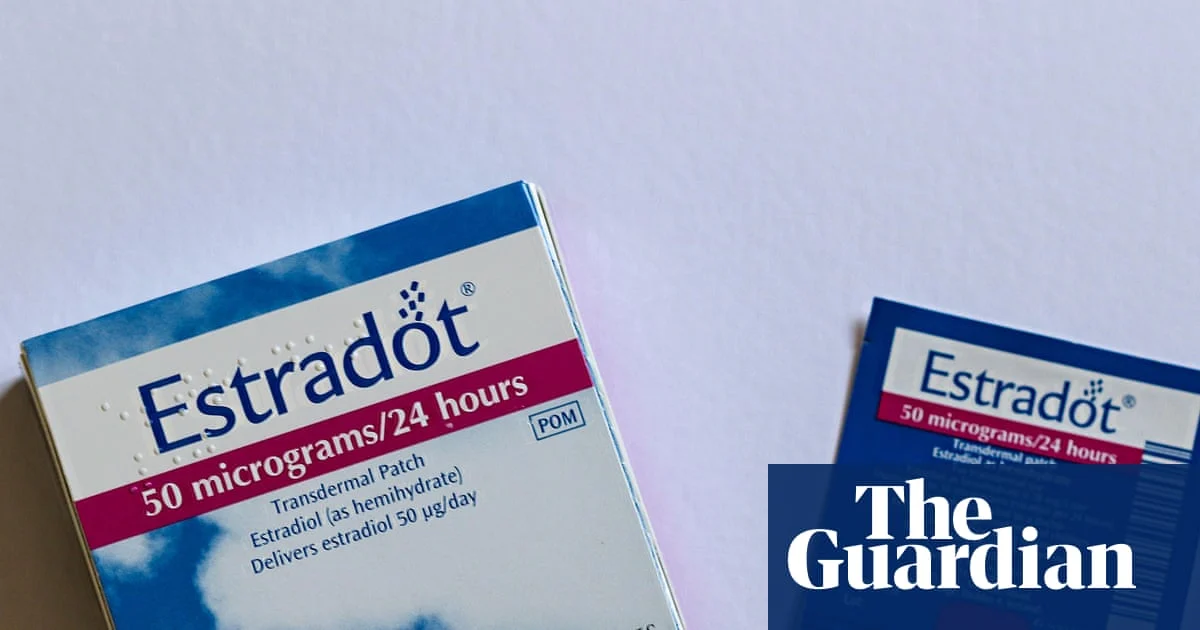
UK HRT shortages are affecting some hormone replacement therapy (HRT) products, with experts warning that disruptions could last for weeks. Women in the UK are again facing limited access to certain HRT treatments, prompting advice from healthcare professionals to seek equivalent alternatives.
Experts emphasize that the key to managing these disruptions lies in identifying alternatives that deliver the same dose of oestrogen by the same administration method. This ensures continuity of treatment without compromising effectiveness or safety.
Key Facts
- Product scope: Some HRT products in the UK are currently in short supply.
- Duration: Warnings indicate shortages may persist for weeks.
- Expert guidance: Alternatives matching the same oestrogen dose and method are recommended.
- Source: Reported by World news | The Guardian.
What Products Are Affected?
The Guardian reports that certain HRT products available in the UK are experiencing supply shortages. While the exact list of affected products is not detailed in the summary, the issue has prompted renewed concern among patients and healthcare providers alike. HRT is commonly prescribed to manage symptoms of menopause, such as hot flashes, night sweats, and vaginal dryness.
These treatments typically contain synthetic or bioidentical forms of the hormone oestrogen, sometimes combined with progestogen for individuals with a uterus. Shortages can disrupt ongoing treatment regimens, potentially leading to symptom recurrence and impacts on quality of life.
Patients experiencing symptoms may find it difficult to maintain consistent dosing, which can affect both comfort and long-term health outcomes related to bone density and cardiovascular function.
How Should Patients Respond?
In response to these disruptions, experts advise patients to consult their healthcare providers about switching to alternative medications that offer the same dose of oestrogen through the same route of administration—whether oral, transdermal, or otherwise.
This approach helps preserve therapeutic benefit while navigating limited availability. Pharmacists also play a critical role in identifying suitable substitutes within regulatory guidelines. Patients should not abruptly discontinue HRT without medical supervision, as sudden withdrawal can worsen symptoms.
Healthcare systems often encourage proactive planning during periods of known shortage, including reviewing stock levels and discussing contingency plans during routine appointments.
What Happens Next?
According to the report, warnings suggest that UK HRT shortages could continue for several weeks. Manufacturers and supply chain partners are likely working behind the scenes to resolve bottlenecks, though specific timelines remain unclear.
Patients and prescribers are encouraged to stay informed through official channels, including the UK government’s Medicines and Healthcare products regulatory agency and local pharmacy networks. Continued updates will help ensure access to necessary treatments remains stable over time.
What We Know — and What We Don’t
Verified by the source:
- Shortages of certain HRT products are occurring in the UK.
- Some products may be affected for weeks.
- Experts recommend alternative treatments matching same oestrogen dose and method.
- Reported by World news | The Guardian.
Still unconfirmed:
- Exact names or brands of affected HRT products.
- Precise duration of shortages beyond ‘weeks’.
- Underlying causes of supply disruptions.
- Official responses or interventions from regulators.
Why It Matters
Hormone replacement therapy plays an essential role in managing menopausal symptoms for millions of women globally. Disruptions in access underscore broader vulnerabilities in pharmaceutical supply chains, highlighting the importance of preparedness and flexible treatment options to safeguard patient wellbeing.
What To Watch
Further clarity on impacted products and expected restock timelines is anticipated as official communications develop.
See also: health-science and war-geopolitics.