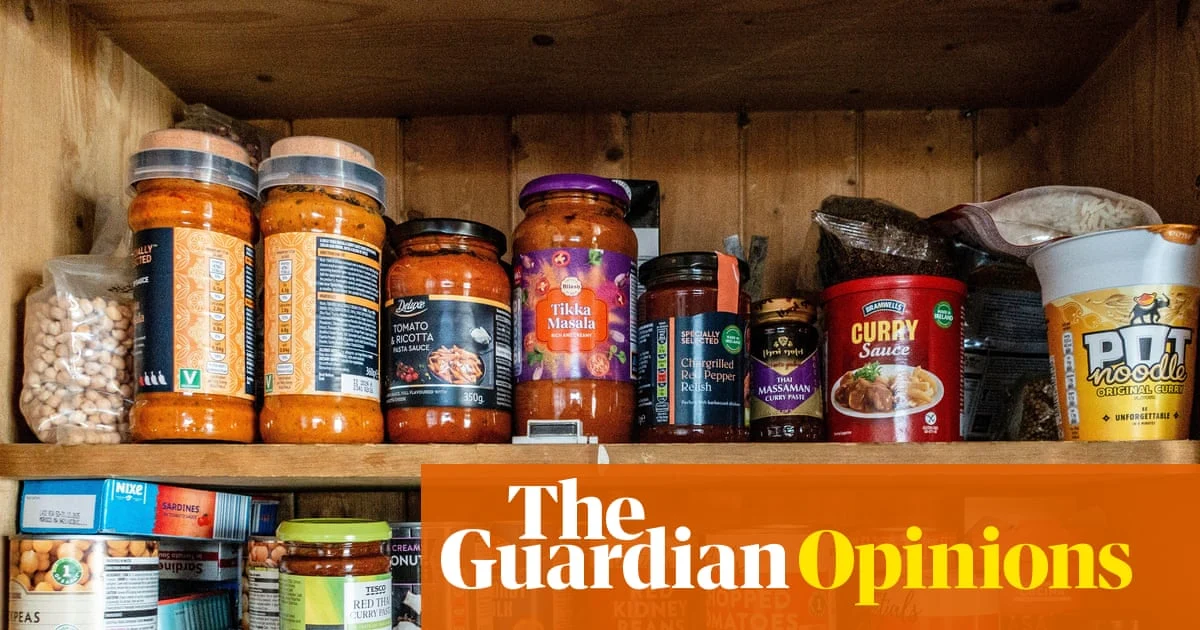
Preppers used to be ridiculed, but now their habits of stockpiling supplies have entered the mainstream as the UK government urges households to prepare for unknown threats with a three-day supply of food and water. What was once dismissed as paranoid behavior now feels like prudent planning in an uncertain world.
The article reflects on how societal attitudes toward emergency preparedness have shifted. Where once stockpiling was seen as excessive, current global instability—including wars that disrupt food supplies—has made such preparations feel reasonable. The author draws on personal memory, recalling how their mother maintained a trunk of food, mainly condensed milk, as a nuclear war precaution well into the 1980s, later restocking it for the Gulf War in 1990. These anecdotes illustrate how individual fears often mirror broader anxieties about security and scarcity.
Key Facts
- UK government has urged households to prepare with a three-day supply of food and water.
- There is no national food stockpile in the UK since it was wound up in the 1990s.
- Stockpiling habits are returning as global threats disrupt food supplies.
- Personal accounts show families kept emergency food, including condensed milk, through the 1980s and 1990s.
Why the Shift Now?
The end of the Cold War bred complacency. The idea that no two countries with a McDonald’s would go to war—popularized in the 1990s—now seems naive. Today, conflicts regularly interrupt food chains and supply routes, making the lack of a national food stockpile feel less like a relic and more like a vulnerability. When governments ask citizens to take responsibility for their own readiness, it can appear less like shared resilience and more like an admission that systemic safeguards are missing.
This dynamic fuels both practical preparation and symbolic resistance. On one hand, individuals stock up to protect themselves. On the other, they may quietly question why they are being left to fend for themselves. The act of stockpiling becomes both a personal safety measure and an unspoken critique of public policy—or the absence of it.
What Happens Next?
While official guidance encourages individual preparedness, it stops short of outlining broader contingency plans. No coordinated national strategy or resource allocation has been announced to back up the public advice. The absence of a national food stockpile leaves a gap: if supply chains falter, households with emergency supplies may fare better than those without—but only temporarily. Whether new infrastructure or support programs will follow remains unclear.
For now, the emphasis appears to rest on personal initiative. This approach aligns with a long-standing pattern in which responsibility for basic security shifts between state and citizen, depending on political climate and perceived threat levels. As long as disruptions continue, expect more households to revisit older habits of self-reliance.
What We Know — and What We Don’t
Verified by the source:
- The UK government has advised households to keep a three-day supply of food and water.
- The UK does not currently maintain a national food stockpile.
- Individuals have historically kept emergency food stores, including during the Cold War and Gulf War periods.
Still unconfirmed:
- Whether any agency or department is planning to reintroduce a national food reserve.
- The scope or timeline of future emergency preparedness campaigns beyond current advice.
- Specific threats prompting renewed focus on household prepping.
Why It Matters
Insecure food chains and global instability make emergency preparedness relevant to daily life. When governments rely on individual action instead of systemic support, the burden of resilience falls disproportionately on those who can afford to stockpile. This widens inequality and weakens collective readiness, as not every household has space or resources to build meaningful reserves. Addressing these gaps requires acknowledging both practical needs and policy shortcomings.
What To Watch
Future updates from government agencies may clarify whether additional measures—from public stockpiles to subsidy-backed emergency kits—will accompany ongoing public warnings. Until then, citizen-led prepping remains the default response to uncertainty. A meta description summarizing this piece could read: “UK households are once again stockpiling supplies after government advice echoed Cold War-era habits amid concerns over disrupted food chains and global instability.”
Readers interested in related developments can explore coverage under economy and markets or war and geopolitics.