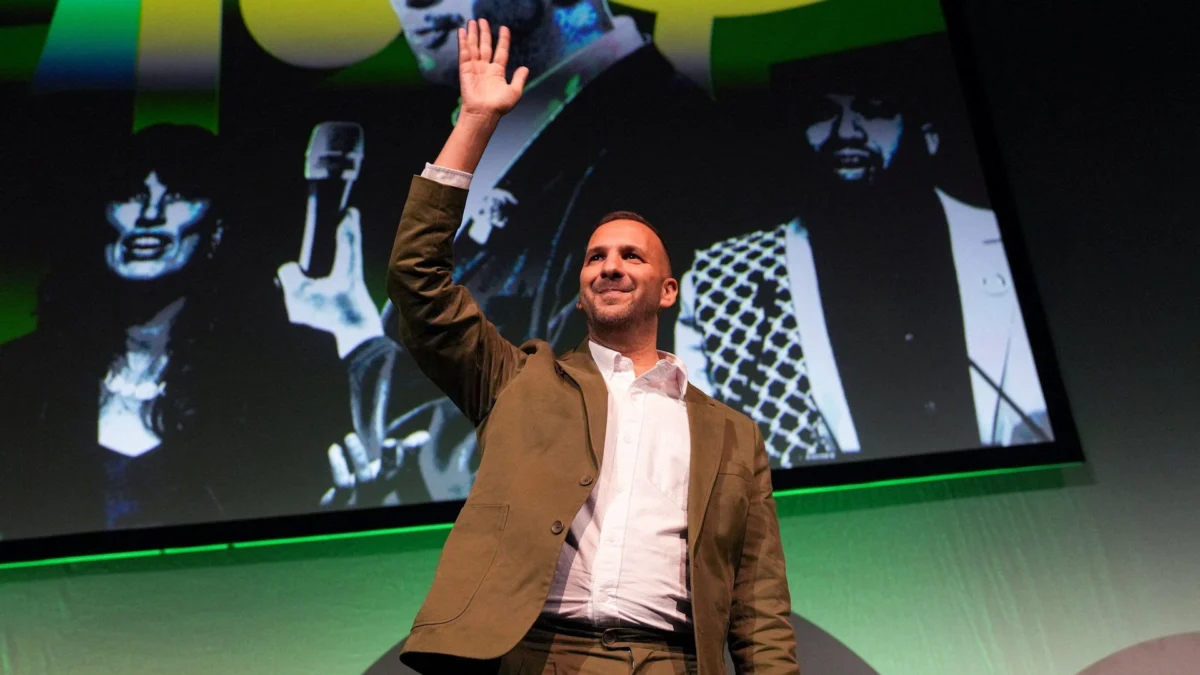
The UK Green Party has voted to define Zionism as a form of racism, according to a report by Al Jazeera. The decision marks a significant shift in the party’s official stance and is likely to prompt debate both domestically and internationally.
This development comes at a time when discussions about Zionism, antisemitism, and political identity are already sensitive topics in UK politics. The vote reflects ongoing tensions within progressive movements over how to frame criticism of Israeli policies without crossing into prejudice against Jewish communities.
Key Facts
- The UK Green Party voted to define Zionism as a form of racism.
- The decision was reported by Al Jazeera.
- The policy change follows internal party deliberations.
- The vote may influence future party positions or public statements.
What happens next?
Following the vote, the UK Green Party is expected to formalize this new definition within its official policy platform. This could lead to updated guidance for party members and elected representatives, particularly those engaging with issues related to the Middle East. Public reactions from other political parties, civil society groups, and international observers will likely shape how the decision is received in the coming weeks. It remains unclear whether the party leadership intends to issue an immediate public statement or hold further discussions internally before making any broader announcements. The move may also prompt responses from human rights organizations and religious communities who have previously raised concerns about conflating criticism of Israeli government policies with prejudice toward Jewish people.
Political analysts note that while the Green Party has historically aligned itself with progressive global causes, its recent shift on Zionism signals a more assertive stance on questions of identity and belonging in modern democracies. Depending on implementation, this position could affect electoral support among younger voters who prioritize social justice narratives, though it might alienate others concerned about rising antisemitism. Party officials have not disclosed specific timelines for integrating this definition into campaign material or parliamentary conduct codes.
Who is affected?
A range of stakeholders will feel the impact of the UK Green Party’s decision to redefine Zionism as racism. Within the party itself, members may face pressure to align their public commentary accordingly, especially during debates involving Israel-Palestine relations. Externally, Jewish community leaders and advocacy groups have expressed concern that labeling Zionism—a political ideology rooted in Jewish self-determination—as inherently racist risks reinforcing stereotypes or conflating political critique with ethnic prejudice. Additionally, proponents argue that such a framing helps highlight what they see as systemic discrimination embedded in certain state practices. Other political parties in the UK may respond cautiously, balancing criticism of Israeli policies with commitments to combat hate speech. Meanwhile, international observers including diplomatic missions based in London might reassess bilateral engagement strategies given evolving domestic discourse. Academic institutions and media outlets may also adjust coverage patterns when reporting on related legislative matters.
What We Know — and What We Don’t
Verified by the source:
- The UK Green Party voted to define Zionism as a form of racism.
- The development was reported by Al Jazeera.
Still unconfirmed:
- The exact date or context of the vote.
- Whether this definition impacts official party policy or symbolic resolutions only.
- Reactions from other political parties or public officials.
- How the decision was reached internally—by consensus or formal motion.
While the core event—the vote itself—is confirmed through reporting, many procedural and contextual details remain unknown. Readers should treat broader implications or quoted responses as unverified until additional sources confirm them.
Why It Matters
This redefinition sits at the intersection of free speech, political identity, and communal safety in multicultural democracies. How parties label ideologies affects public discourse, coalition-building efforts, and trust between institutions and minority communities. The outcome underscores enduring challenges around distinguishing legitimate political critique from discriminatory rhetoric, especially in polarized environments where definitions carry weight beyond semantics.
What To Watch
Watch for responses from other UK political parties and whether the Green Party issues formal guidance tied to the vote. Official reactions from Jewish community organizations and human rights watchdogs may also emerge shortly.