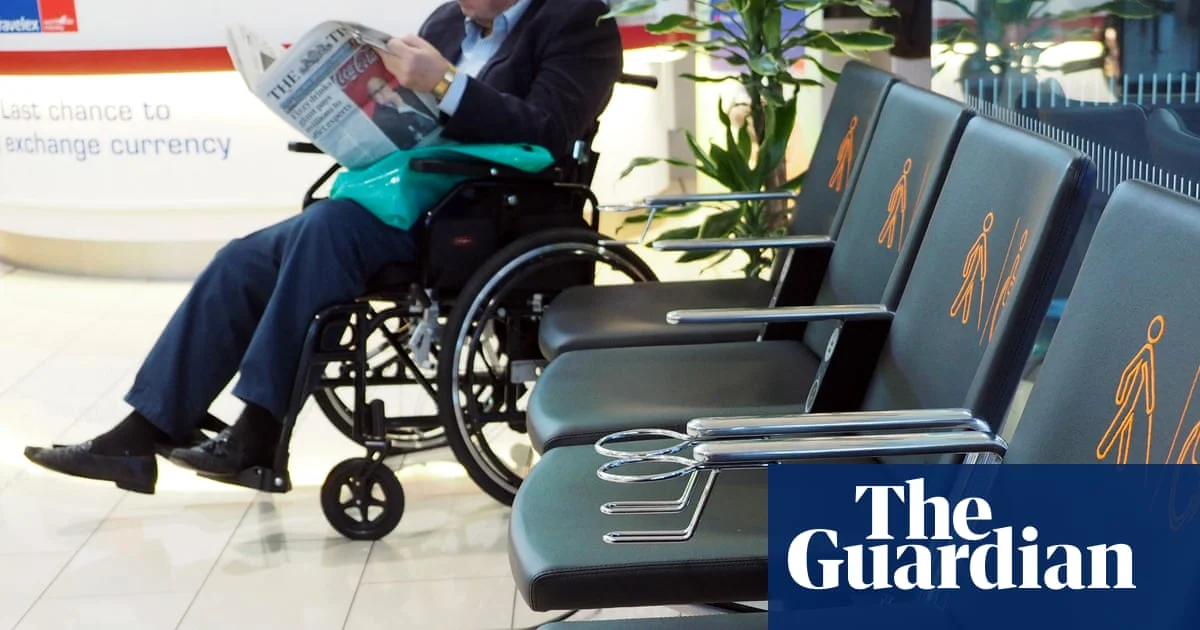
Despite recent progress, nearly one-fifth of disabled air travelers remain dissatisfied with their experiences, prompting the UK government to promise enhanced safeguards for disabled air passengers. The new protections aim to address long-standing issues such as damaged mobility equipment and inadequate assistance during flights.
The government’s commitment comes in the wake of a report from an industry-led accessibility group, which acknowledged that while improvements have been made, much more work is needed to ensure fair and safe travel for all passengers with disabilities.
Key Facts
- The UK government has pledged better safeguards for disabled air passengers.
- Protections will include coverage for damaged wheelchairs.
- Support from trained staff will be expanded.
- A report found progress has been made but more needs to be done.
- The review was led by Tanni Grey-Thompson following multiple strandings.
What Happens Next?
The government has not specified an exact timeline for implementing the new safeguards, but officials have indicated that policy development is underway in coordination with airlines and accessibility advocates. The industry-led accessibility group that produced the recent report is expected to continue monitoring progress, with follow-up assessments planned to track whether the promised protections lead to measurable improvements for disabled air passengers.
In the meantime, advocacy organizations are urging the government to move quickly on formal regulations, particularly around compensation for damaged wheelchairs and enforcement of staff training standards. Until new rules take effect, many disabled travelers say they remain hesitant to fly without clear recourse if problems arise.
Recent years have seen several high-profile incidents in which passengers were left stranded on planes or had their mobility aids mishandled, drawing public attention to the challenges faced by disabled air passengers. These events contributed to pressure for a formal government review, which was spearheaded by Tanni Grey-Thompson, the renowned Paralympian and peer.
Who Is Affected
The promised safeguards are intended to benefit all disabled air passengers traveling through UK airports or on UK-regulated flights. This includes individuals who rely on wheelchairs or other assistive devices, as well as those who require additional support from airline or airport staff during boarding, seating, and disembarkation.
Currently, many disabled travelers report difficulty locating trained personnel when they need help, and some describe anxiety about whether their wheelchairs will survive the journey intact. The lack of standardized procedures has also left passengers uncertain about how to report issues or seek compensation when things go wrong.
Aviation authorities in other countries have implemented similar protections, setting precedents that advocates say the UK should follow. However, the specific design of the UK’s new safeguards remains unclear, leaving disabled air passengers hoping for concrete changes rather than further promises.
How Did We Get Here?
The push for improved protections stems from a government-ordered review led by Tanni Grey-Thompson, launched after numerous reports of passengers being stranded on aircraft due to unaccommodating policies or unavailable support staff. The review found widespread shortcomings across the industry, despite earlier initiatives aimed at improving accessibility.
A follow-up report from an industry-led accessibility group noted that while some airlines have made efforts to improve training and handling practices, gaps remain in consistent service delivery and accountability. The report emphasized that nearly a fifth of disabled air passengers continue to express dissatisfaction with their travel experiences.
These findings have reinforced calls for legally binding safeguards that go beyond voluntary industry commitments. The government’s latest pledge signals a shift toward regulatory intervention, though details on enforcement mechanisms and timelines have yet to be disclosed.
What We Know — and What We Don’t
Verified by the source:
- Disabled air passengers will receive better safeguards, including protection from damaged wheelchairs.
- Trained staff support will be part of the new protections.
- An industry-led accessibility group reported ongoing dissatisfaction rates among disabled travelers.
- Progress has been made, but more needs to be done according to the report.
Still unconfirmed:
- The specific timeline for implementing the promised safeguards.
- Whether the protections will apply only to UK airports or extend to international carriers.
- Details on how compensation or liability will be handled for damaged equipment.
- The exact scope of required staff training programs.
Why It Matters
Accessibility in air travel is not just a matter of convenience—it’s a civil rights issue. With millions of disabled passengers flying each year, unresolved barriers can significantly impact their independence, employment opportunities, and quality of life. Clear, enforceable safeguards provide not just comfort but confidence to travel freely.
What To Watch
Advocates say concrete policy details and timelines will determine whether the government’s pledge translates into real-world improvements for disabled air passengers.