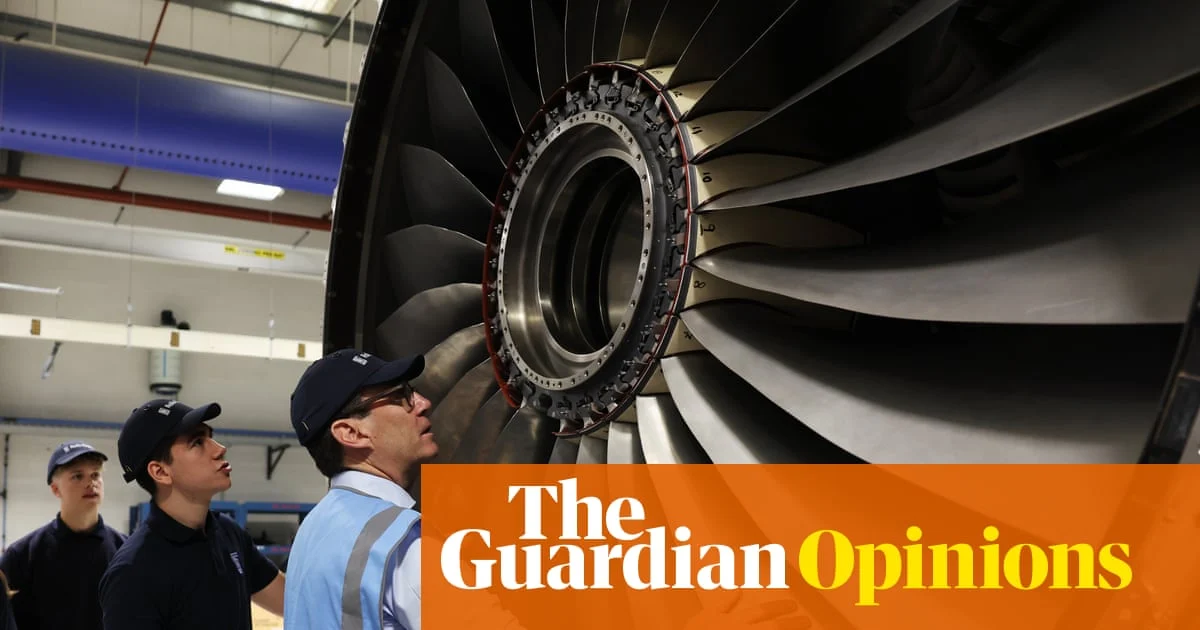
The UK chancellor has confirmed a £1.25bn subsidy to support Rolls-Royce’s next-generation aircraft engine programme, a move described as necessary despite recent criticism of public spending. The funding was quietly announced in the budget speech, prompting questions about corporate welfare and aerospace strategy.
Rolls-Royce received the £1.25bn to part-fund development of a new engine for single-aisle commercial planes, with the chancellor defending the decision as aligned with global aerospace realities. The allocation came amid broader concerns over rising debt interest costs.
Key Facts
- £1.25bn subsidy allocated to Rolls-Royce for engine development
- Funding supports next-generation engine for single-aisle commercial planes
- Announcement buried in chancellor’s budget speech
- Chancellor linked decision to global aerospace industry pressures
- Coincided with warnings on rising £14bn debt interest costs
Who Is Affected?
The decision directly impacts Rolls-Royce, a major UK aerospace manufacturer involved in civil and defence aviation technologies. As one of the few companies capable of producing large-scale aircraft engines, the company stands to benefit from continued public investment in research and development.
Taxpayers are also affected, as the £1.25bn commitment adds to public expenditure during a period of increasing fiscal pressure. The chancellor noted rising debt interest obligations, suggesting tight scrutiny over new spending commitments.
Wider stakeholders include international competitors and partners in the global aerospace sector, where state support plays a strategic role in maintaining technological leadership among nations.
How Did We Get Here?
The UK government has historically maintained ties with key industrial players through targeted investments. In this case, the chancellor framed the Rolls-Royce engine subsidy as essential for competitiveness rather than an isolated act of support.
Budget documents showed the announcement placed mid-speech, with minimal emphasis despite its magnitude. This follows criticism over transparency in major fiscal decisions involving private corporations.
Analysts observe similar patterns across Europe and North America, where governments back aerospace innovations to safeguard supply chains and national security interests.
What Happens Next?
Public reaction will likely shape future discussions around corporate subsidies and infrastructure spending priorities. Meanwhile, development timelines for the new engine remain undisclosed.
What We Know — and What We Don’t
Verified by the source:
- The chancellor announced a £1.25bn subsidy to Rolls-Royce
- The funds part-finance a next-generation engine project
- The project targets single-aisle commercial aircraft engines
- The chancellor referenced global aerospace industry dynamics
Still unconfirmed:
- Exact technical specifications of the proposed engine
- Timeline for delivery or completion milestones
- Final cost-sharing ratio between state and company
Why It Matters
This allocation reflects ongoing tensions between supporting strategic industries and managing public finances responsibly, especially as governments balance economic resilience with tax efficiency.
What To Watch
Parliamentary responses and potential audits into the awarding process may influence policy frameworks for future corporate partnerships.