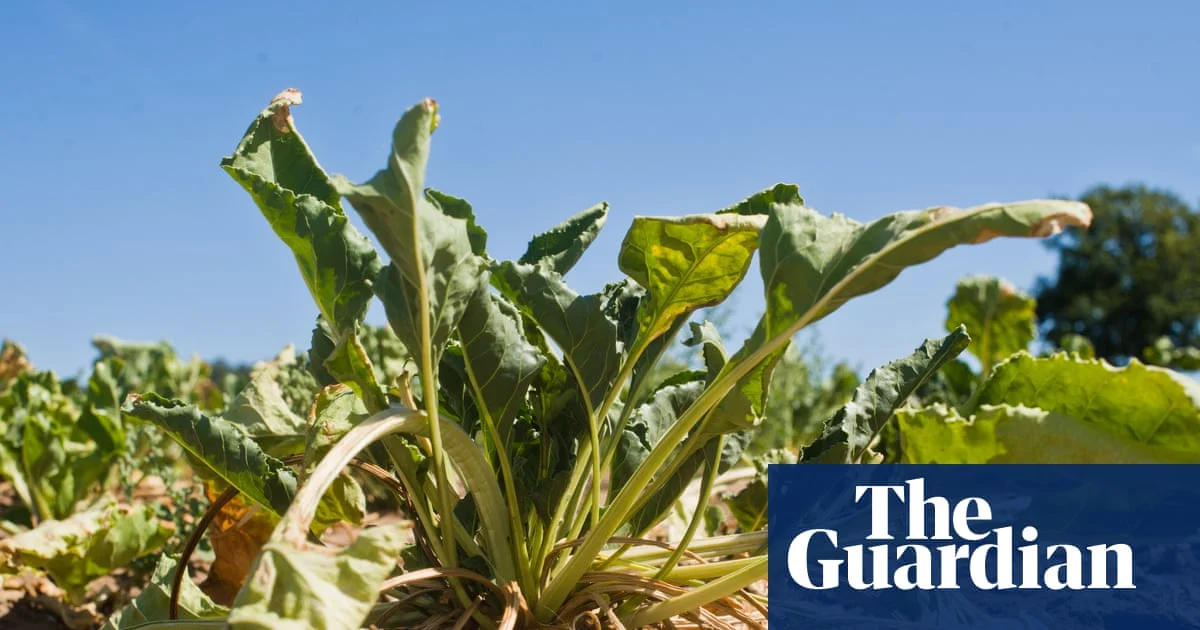
Most of the UK’s essential food supply is grown in areas already at risk of drought, according to a new analysis by nature-focused investment fund Rebalance Earth. The report highlights that key crops such as cereals, potatoes, sugar, and oils are cultivated predominantly in regions of England classified as having moderate to very high drought risk. This concentration poses potential challenges for national food security amid increasing environmental pressures.
A very high proportion — 81% — of England’s fresh produce is grown in parts of the country already experiencing water stress, according to the analysis. These areas form the backbone of the UK’s agricultural output, meaning any prolonged dry conditions could significantly impact the availability and stability of essential food supplies.
Key Facts
- Crops affected: Cereals, potatoes, sugar, and oils are among the essential foods grown in drought-risk areas.
- Location: These crops are concentrated in parts of England already experiencing water stress.
- Risk level: Much of the UK’s essential food supply is grown in areas rated with moderate to very high drought risk.
- Percentage: 81% of England’s fresh produce comes from water-stressed regions.
- Source: Analysis conducted by nature-focused investment fund Rebalance Earth.
What Happens Next?
The ongoing reliance on drought-prone regions for essential food production raises urgent questions about resilience and planning. As climate patterns shift and extreme weather becomes more common, the risk of crop failure increases. Without diversification or adaptive farming practices, the UK may face repeated threats to its food supply during dry periods.
Drought conditions can reduce crop yields, increase irrigation demands, and strain local water resources. With 81% of England’s fresh produce originating in areas already under water stress, even short-term droughts could ripple through the food system. Farmers may need support to adopt more sustainable water use strategies, while policymakers consider long-term supply chain adjustments.
Who Is Affected?
The implications of this agricultural vulnerability extend across multiple sectors. Consumers may see price volatility and reduced availability of staple foods during droughts. Farmers operating in high-risk zones face greater uncertainty and rising costs, particularly if water restrictions limit irrigation access. Additionally, local ecosystems in these areas may suffer stress from increased agricultural water demand.
Food importers and retailers dependent on UK-grown produce must also account for supply disruptions. Emergency preparedness plans at both regional and national levels may require updates to address potential shortfalls. Environmental groups are likely monitoring how drought resilience integrates with broader sustainability goals in agriculture.
How Did We Get Here?
The concentration of food production in specific regions reflects decades of agricultural policy and geographic suitability. England’s fertile plains and established infrastructure have naturally drawn farming activity to certain areas. However, changing climate conditions are now challenging the assumptions underlying this setup.
Rebalance Earth’s analysis suggests that current patterns leave the UK vulnerable. While no immediate crisis is reported, the overlap between crop zones and water-stressed areas indicates systemic risk. This trend aligns with wider concerns about climate adaptation in agriculture globally, where extreme weather regularly disrupts food systems.
What We Know — and What We Don’t
Verified by the source:
- A significant portion of the UK’s essential food supply is grown in drought-risk areas.
- 81% of England’s fresh produce comes from water-stressed regions.
- The analysis was conducted by Rebalance Earth, a nature-focused investment fund.
- Key crops affected include cereals, potatoes, sugar, and oils.
- The UK’s food supply chain depends heavily on a limited number of geographic zones.
Still unconfirmed:
- No specific timeline or frequency of drought occurrences is provided.
- Actual economic or supply chain impacts are not detailed.
- Potential policy responses or government plans remain unspecified.
- Whether other countries face similar vulnerabilities is not discussed.
- Specific mitigation strategies currently in place are not named.
Why It Matters
This finding underscores the fragility of modern food systems in the face of climate change. The UK’s dependence on a small number of regions for most of its essential foods makes those supplies vulnerable to shifting weather patterns. Ensuring long-term food security will likely require investment in drought-resistant crops, improved water management, and policy frameworks that reduce geographic risk.
What to Watch
Stakeholders should monitor how agricultural policies evolve to address climate-related risks. Updates from Rebalance Earth or related governmental bodies may clarify future steps toward building resilience in the UK’s food supply.