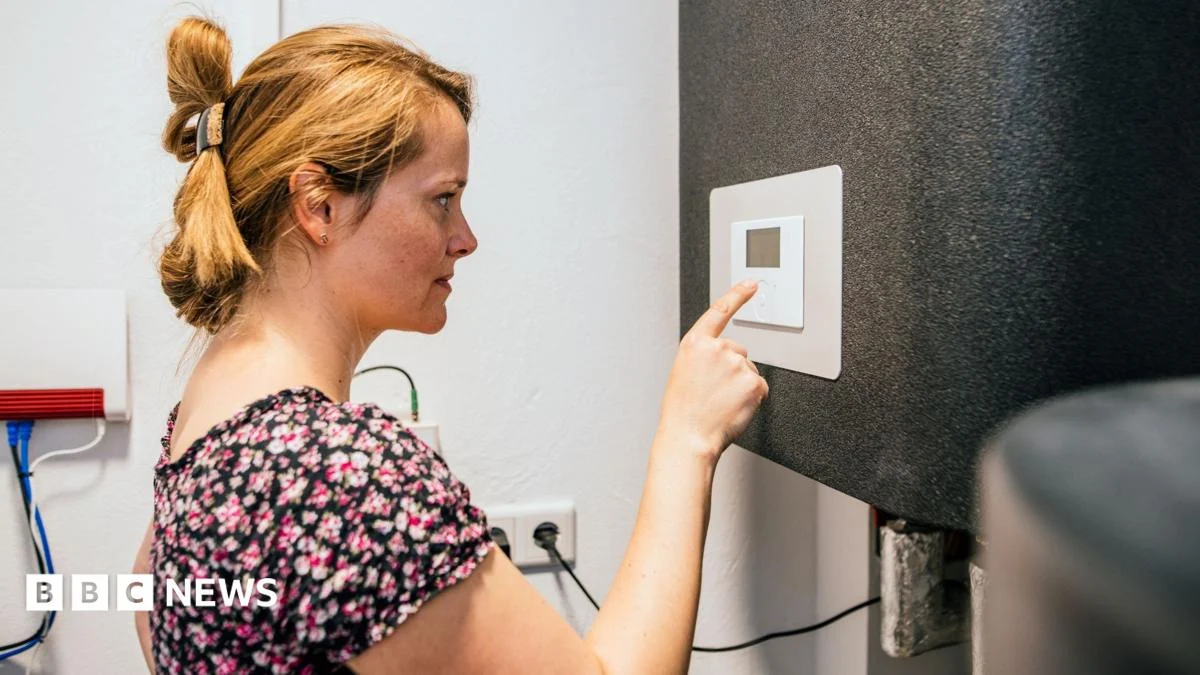
Millions of UK households will see their energy bills rise this winter as the regulator Ofgem announces an increase in the energy price cap to a three-year high. The adjustment is expected to significantly impact household budgets amid broader economic pressures.
The energy price cap sets the maximum amount suppliers can charge per unit of energy, aiming to protect consumers from excessive price spikes. However, rising wholesale energy costs have necessitated this increase, marking the highest level since 2021.
KEY FACTS
- The energy price cap is set to rise to its highest level in three years.
- Regulator Ofgem confirmed the increase, affecting millions of households.
- Higher wholesale energy costs are driving the adjustment.
Who Is Affected?
The increase will impact households on default tariffs, who are already facing rising living costs. Analysts suggest the average annual bill could rise by hundreds of pounds, though exact figures are not yet confirmed. This comes as inflation and broader economic challenges squeeze disposable incomes.
How Did We Get Here?
Wholesale energy prices have surged due to global factors, including geopolitical tensions and supply chain disruptions. Ofgem adjusts the cap quarterly based on these costs, with the latest rise reflecting sustained market pressures. The cap does not apply to fixed-rate tariffs, leaving some consumers better shielded.
WHAT WE KNOW — AND WHAT WE DON’T
Verified by the source:
- The energy price cap will rise to a three-year high this winter.
- Ofgem, the energy regulator, is implementing the change.
Still unconfirmed:
- The exact percentage or monetary increase households will face.
- Whether government interventions, such as subsidies, will offset the rise.
WHY IT MATTERS
Higher energy bills will strain household budgets, particularly for low-income families, amid ongoing cost-of-living pressures. The increase could also influence inflation and public sentiment toward energy policy.
WHAT TO WATCH
Ofgem will announce the precise new cap level later this month. Consumer groups are urging the government to consider additional support measures as winter approaches.