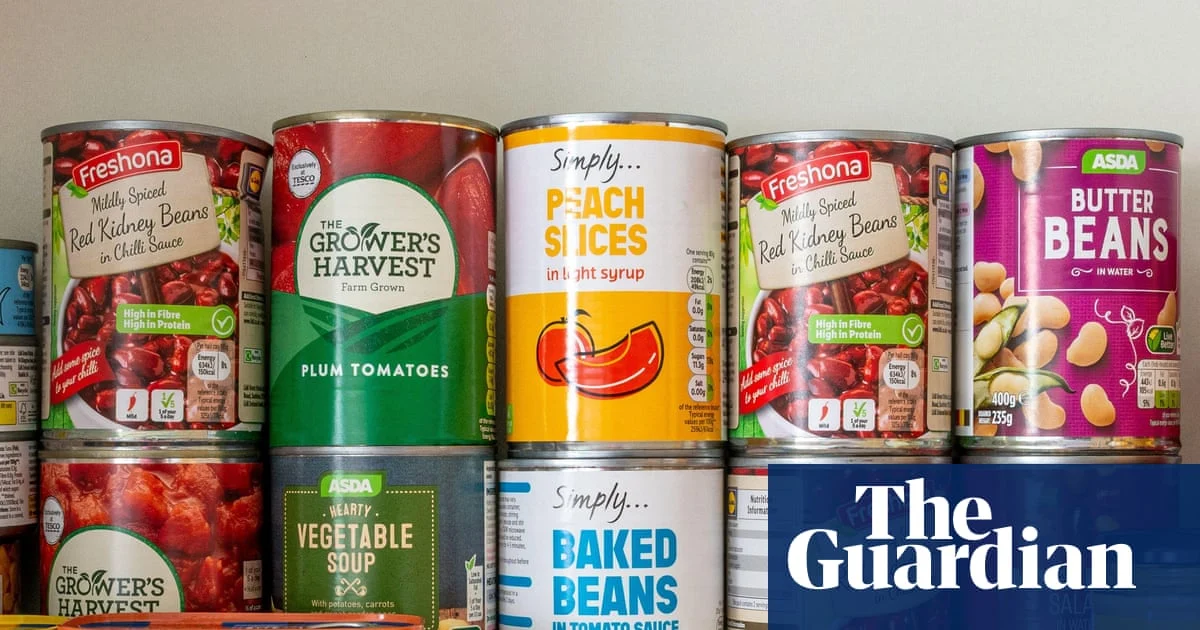
UK households, urged by government emergency stockpile advice, have cleared shelves of tinned food, bottled water, wind-up radios and torches, leaving retailers reporting a jump in purchases linked to preparing for extreme weather and cyber-attacks.
The Be Ready campaign launched last week with the aim of persuading households to lay in supplies to last 72 hours, triggering a broad restocking effort across supermarkets and hardware aisles.
KEY FACTS
- Sales of tinned foods, bottled water, wind-up radios and torches surged after UK government emergency stockpile advice.
- Retailers reported a jump in purchases of items linked to preparation for emergencies such as extreme weather or cyber-attacks.
- The Be Ready campaign launched last week with the aim of persuading households to lay in supplies to last 72 hours.
The Story
What happened and why are these items in demand?
Government emergency stockpile advice told households to prepare for emergencies, prompting shoppers to prioritise supplies considered essential during power cuts, flooding or other disruptions.
Tinned foods and bottled water address immediate survival needs, while wind-up radios and torches become critical once electricity fails or mobile networks struggle after storms and cyber-attacks.
Retailers confirmed the spike, suggesting demand rose fastest in categories that sit outside normal daily shopping baskets but inside basic resilience planning.
Who is affected by the stockpile push?
Consumers responded broadly, with household restocking appearing across multiple store formats rather than isolated regions.
Because the advice targets general preparedness, its effects are spreading through mainstream retail chains rather than niche prepper markets.
This means average shoppers, not just survival-focused buyers, are driving shelf-clearing behaviour in everyday grocery aisles.
Why this matters
Persistent demand for basic goods can tighten inventories and raise short-term prices, affecting affordability for households already under pressure.
Media coverage of the surge may also encourage further restocking, creating a feedback loop between public advice and retail activity.
Meta description: UK government emergency stockpile advice prompted a surge in sales of tinned food, bottled water, radios and torches as households prepare for extreme weather and cyber-attacks.
WHAT WE KNOW — and WHAT WE DON’T
Verified by the source:
- Government emergency stockpile advice was issued to households.
- Sales of tinned food, bottled water, wind-up radios and torches rose after the advice.
- Retailers reported the jump in purchases linked to extreme weather and cyber-attacks.
- The Be Ready campaign launched last week to promote 72-hour emergency supplies.
Still unconfirmed:
- Exact percentage increases in sales volumes or values
- Which specific retailers saw the largest surges
- Whether supply chains were strained by restocking activity
- Dates, ages, names or precise regional breakdowns
Why It Matters
Population-wide emergency preparedness nudges can shift consumer behaviour quickly, moving ordinary shoppers into resilience-buying patterns usually associated with niche markets, with knock-on effects on inventory management and price stability across the economy and markets segment.
What To Watch
Retailers have not yet commented on whether inventory restocking has normalised, and analysts say further government guidance could extend the demand trend across additional categories. See also war-geopolitics coverage for context on cyber-attack preparedness.