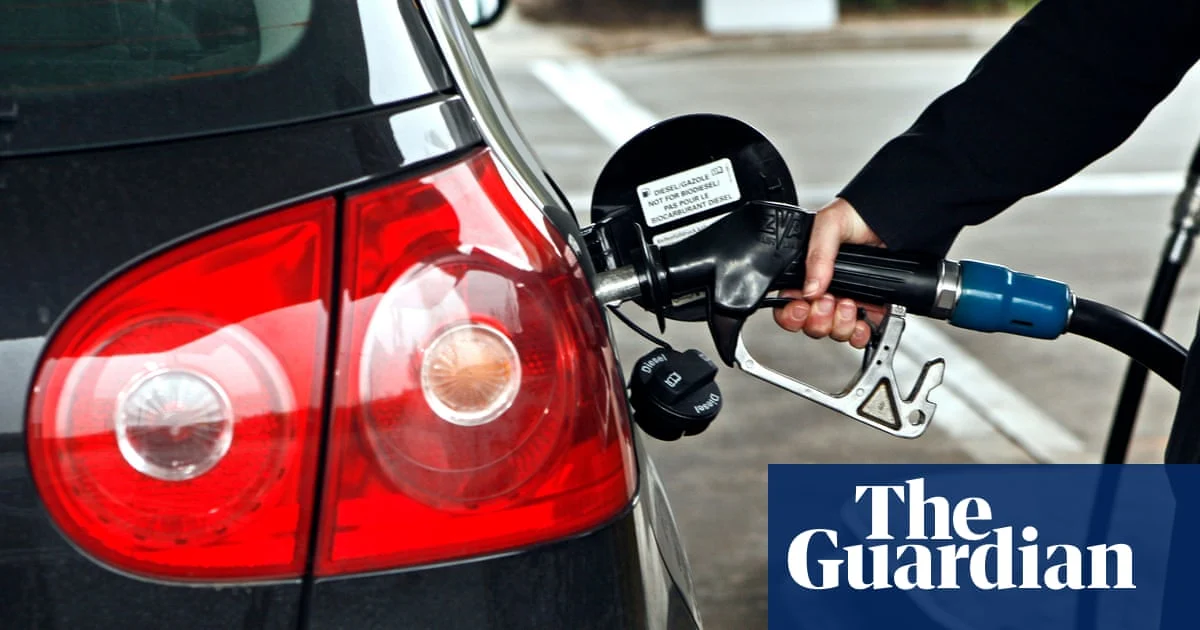
UK diesel price has climbed to a record high of £2 a litre, putting fresh pressure on British motorists at the pumps. The average price of diesel at UK forecourts has risen 40.5% since late February, when the US-Israel war on Iran began disrupting supplies of crude and refined oil products from the Gulf, leading to cost increases across the economy.
The sharp rise means many drivers are spending a large share of their income just to fill up their cars. France has proposed that EU nations and the IEA release oil and diesel from reserves in response to soaring prices.
KEY FACTS
- UK diesel price hit a record high of £2 a litre.
- The price has risen 40.5% since late February.
- The US-Israel war on Iran disrupted Gulf oil supplies.
- France proposed EU and IEA release oil and diesel reserves.
- The cost increases are affecting the wider economy.
WHAT IS DRIVING THE PRICE RISE?
The diesel price spike follows supply disruptions linked to the US-Israel war on Iran. Since late February, the conflict has restricted exports of crude and refined oil products from the Gulf region, tightening global supply chains. As a result, wholesale prices have surged, and retailers have passed those costs onto consumers at forecourts.
Analysts note that refined products such as diesel are particularly sensitive to regional supply shocks because refining capacity is concentrated in a few key locations. When flows from the Gulf are curtailed, the shortfall can quickly translate into higher pump prices, especially in markets that rely heavily on imported fuel.
WHO IS AFFECTED AND HOW?
Everyday drivers are feeling the pinch most acutely. A typical motorist now spends a significant portion of their daily earnings just to keep their car running, with some reporting that half a day’s pay goes toward filling up. This burden falls heaviest on those who depend on their vehicles for work, such as delivery drivers and tradespeople.
Beyond individual commuters, businesses that rely on road transport are also facing higher operating costs. Those increases often get passed along to consumers in the form of higher prices for goods and services, contributing to broader inflationary pressure. The ripple effects extend to sectors like logistics, agriculture, and retail, all of which depend on affordable diesel to move products.
WHAT HAPPENS NEXT?
France’s proposal to tap emergency oil and diesel reserves has gained attention as governments weigh coordinated interventions. The plan calls on EU nations and the International Energy Agency (IEA) to release strategic petroleum stocks to help stabilise prices. While such releases can ease short-term supply tightness, they do not address the underlying cause of the disruption.
Government officials have not yet confirmed whether a joint release will take place. In the meantime, energy market watchers expect volatility to persist as long as hostilities continue in the Gulf. Consumers should brace for further price fluctuations at the pump in the coming weeks.
WHAT WE KNOW — AND WHAT WE DON’T
Verified by the source:
- UK diesel price reached £2 a litre, a record high.
- The price rose 40.5% since late February.
- France proposed releasing oil reserves via the IEA and EU.
- Supply disruptions stem from the war on Iran.
Still unconfirmed:
- Whether EU or IEA will approve the proposed reserve release.
- The exact volume of reserves that could be released.
- How long the price pressure will last.
- Specific policies to offset consumer costs.
WHY IT MATTERS
Rising diesel prices affect not only household budgets but also the cost of transporting goods, which can feed into inflation and reduce purchasing power for everyone. When fuel becomes expensive, businesses raise prices to cover transport costs, and wages often fail to keep pace — a dynamic that risks slowing economic growth.
WHAT TO WATCH
Watch for official decisions from the IEA and EU on whether they will proceed with emergency reserve releases in the coming weeks. The UK diesel price trajectory will likely depend on how quickly supply flows normalise in the Gulf region.